
Reviewed · WORKSHOPS
Greek dance lessons
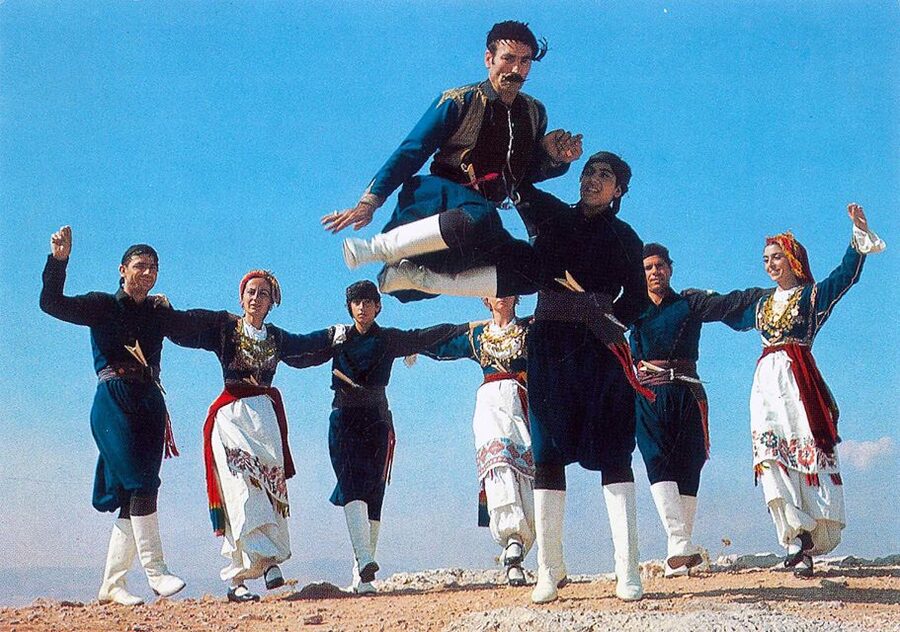
This Greek dance lesson is interesting because it turns Athens into a classroom you can move in. You learn well-known Greek folk dances while also picking up the meaning behind regional styles and the costumes that bring them to life. I love that the teaching feels easy and fun even for beginners, and I love the bonus culture angle, costumes and the jewels that decorate them. One consideration: you will be dancing on purpose, so if you worry about having rhythm, come with a playful mindset and expect progress by practice.
Key Things I’d Pay Attention To
- Aegean, Ionian, and mainland dances in one 1.5-hour session, so you get variety without needing a multi-day trip
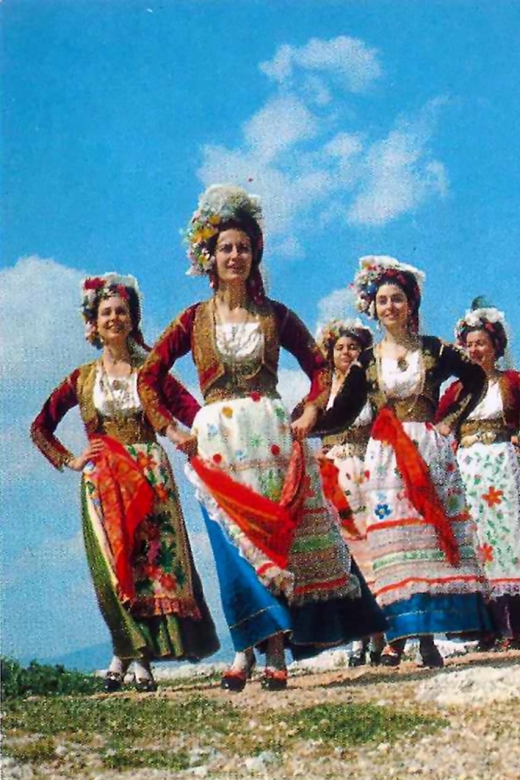
- Costumes and jewelry context, not just a quick look, you learn what to notice and why it matters
- Plaka alleys to the lesson yard, starting with a short walk through old Athens streets
- Professional instruction pace, past participants highlight how much dancing you cover in a short time
- Beginner-friendly energy, plus a reality check that rhythm may not come instantly
From Acropolis Metro to Plaka Alleys, the Lesson’s Real-World Start
The experience begins near the Acropolis Metro Station, where you gather at an office close by, about a 3-minute walk. From there, you head into Plaka, using the older lanes as part of the warm-up. It is not a long sightseeing detour, it is just enough movement and atmosphere to put you in the right mood.
Plaka is a great match for a dance lesson because it already feels like a living stage. As you walk through the picturesque alleys, you’re surrounded by the kind of visual cues that connect to folk tradition: streets that look like they have always been there, and a sense that Athens keeps layers of culture in plain sight. By the time you reach the lesson location, you are not mentally jumping into something foreign. You’re stepping into it.
The practical upside is simple: you can treat this like a true add-on day activity, not a whole travel project. One hour and a half, plus a short walk, means you can still enjoy Athens afterward without feeling drained.
A few more Athens days worth comparing
- Athens: Classic Cooking Class with Market Visit and Wine
★ 5.0 · 1,101 reviews - Athens: Food Market Visit and Cooking Class with Wine
★ 4.9 · 1,087 reviews - Greek Cooking Class in Athens Including Rooftop Dinner with Acropolis View
★ 5.0 · 826 reviews
George Finlay’s Building and the Flowery Yard Setting
Your dance lesson takes place at the property of George Finlay, a British historian of the Greek revolution. The location is described as a well-preserved four-floor building with a flowery yard, which matters more than it sounds. A yard setting keeps things open and comfortable, and it helps you focus on the teacher instead of being boxed in.
Also, the venue is tied to a real place with character. You are not dancing in a generic studio that could be anywhere. It’s an 18th-century building setting, close to old-town Athens, and that connection gives the lesson an extra layer of authenticity.
What I like about this setup is how it blends formality with relaxation. You get a structured lesson from an experienced dance teacher, but the surrounding atmosphere stays light and human. That balance is ideal for first-timers who want guidance without pressure.
1.5 Hours of Aegean, Ionian, and Mainland Folk Steps
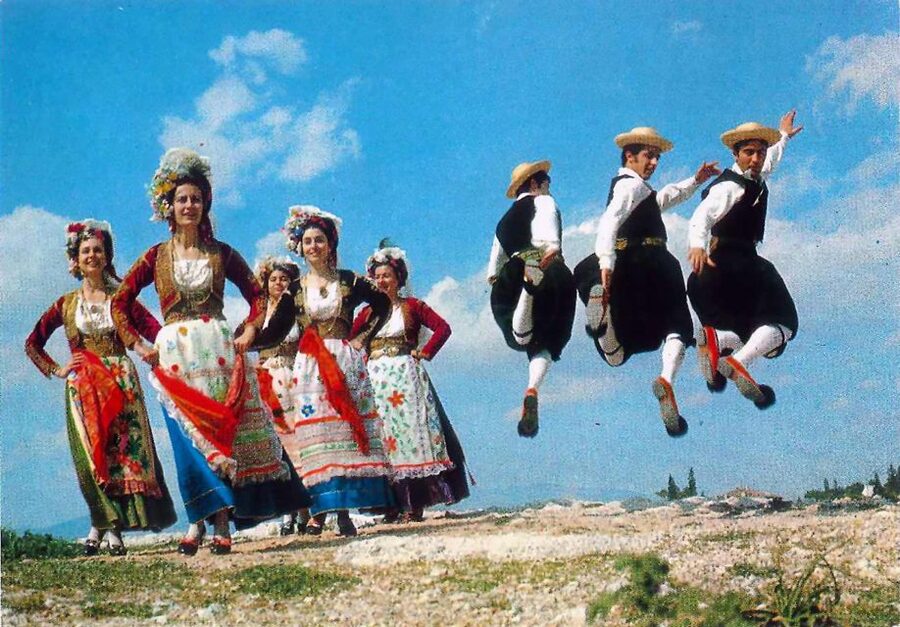
The lesson is 1.5 hours long, and that time is used intentionally. You learn well-known Greek folk dances in an easy and fun way, with the teacher guiding you step by step. The core idea is variety: dances from the Aegean and Ionian islands, plus mainland influences.
Here is why that matters for you. If you only learn one style, you can walk away thinking Greek dance is one thing. This lesson works against that limitation. By mixing island and mainland traditions, you start noticing how regional identity shows up in the way people move, how the steps feel, and how the rhythm carries the dance forward.
From the format, you should expect the teacher to introduce the dance concepts, then get you doing the movements quickly. That “learn a lot in a short time” theme comes through strongly. Past participants rated it highly for being professional and for teaching a lot of dancing within the 1.5-hour window.
And yes, you might feel awkward at first. One review joked about having no rhythm, which is honestly reassuring. This is a lesson, not a performance audition. Your job is to follow the cues, repeat the steps, and let muscle memory arrive during the session.
Costumes and Jewelry: What to Notice Beyond the Color
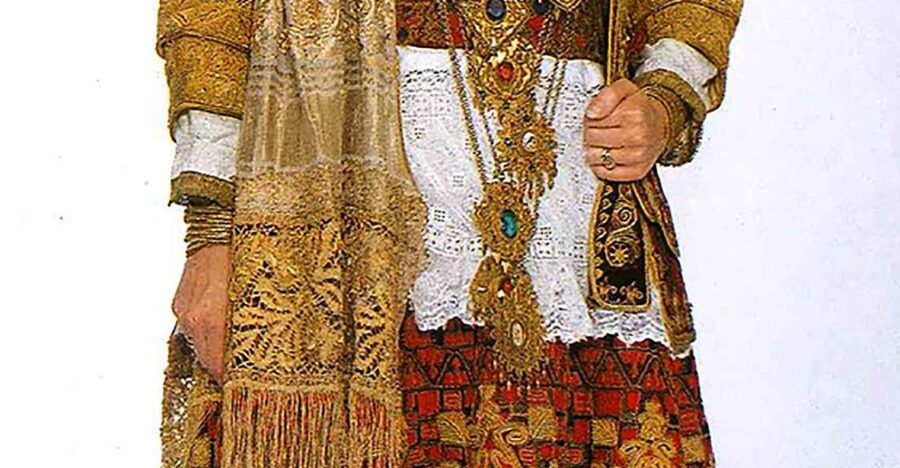
One of the most distinctive parts of this experience is the costume and jewelry focus. As part of your lesson, you learn about Greek costumes and the special jewels that adorn them. You also get general clothing information about how costumes relate to tradition.
This matters because Greek folk dance is not just footwork. Costumes are part of the language of the dance. Fabrics, patterns, and decorations can signal region, occasion, and identity. When you learn to notice those details while you are also learning the steps, you connect the visual culture to the movement culture.
So instead of watching Greek dance as “pretty outfits and music,” you start picking up meaning. You learn that costume choices are not random. They are tied to the people who wore them and the traditions they represented.
If you like travel that gives you a tool for future sightseeing, this is a good one. Later, when you see a folk festival or a performance, you will likely find yourself paying attention to costumes and thinking about regional clues, not just watching the biggest spins or stomps.
Same corner of Greece, a different kind of day:
- Athens: Acropolis & up to 5 Archaeological Sites Combo Pass
★ 4.4 · 12,619 reviews - Athens: Acropolis, Parthenon & Acropolis Museum Guided Tour
★ 4.8 · 9,316 reviews - Athens: Cape Sounion & Poseidon Temple Sunset Half-Day Trip
★ 4.8 · 8,241 reviews - Athens: Acropolis and Parthenon Guided Walking Tour
★ 4.6 · 5,882 reviews
The Meaning of Greek Dance, from Gods to Seasons
The tour framing includes a strong cultural explanation of why Greeks dance the way they do. Ancient Greeks believed that dance was created by the gods, which connected dancing to cult and religious events. In other words, dance was not treated as entertainment only. It was part of how people marked important moments.
For Greeks, the dances also have personal emotional meaning. The idea is that people dance and sing to express feelings, celebrate, and welcome the seasons of the year. That context changes your experience because you stop treating the lesson as a set of “moves to memorize.” You start treating it as lived expression.
For you, that’s a practical benefit. When you understand what the dance is for, you’re more likely to remember the steps and the rhythm. It also helps you avoid the common beginner trap of thinking rhythm is something you either have or don’t have. Rhythm is something you practice with the body while the music gives structure.
This also supports a key highlight of the lesson: learning about the culture of different Greek regions. When regional traditions are explained through dance purpose and costume meaning, the lesson becomes more than physical exercise. It becomes a cultural mini-lesson you can carry with you after your shoes come off.
Price and Value for a 1.5-Hour Cultural Lesson
At $73 per person for 1.5 hours, this is not a free activity. But it also is not priced like a long, multi-stop day. For the value, I look at what you get for your time: you get real instruction in Greek folk dance, plus guided cultural context about costumes and regional traditions.
The value gets better because the experience is designed for beginners, and that is backed up by the strongest kind of feedback: people highlighting how well it works even if you are new to dancing. When a class is beginner-friendly and still gets you learning multiple dance elements in a short timeframe, that is good value.
You also get the setting and timing convenience. You start near the Acropolis Metro area, then walk to Plaka and into the venue. That reduces friction, so you spend less energy figuring out how to get there and more energy participating.
If you are the type of traveler who likes “one great story” instead of “ten average photos,” this price makes sense. If you are only looking for an hour of easy entertainment with zero cultural learning, you might feel the cost is too high. But if you want hands-on culture, the lesson is built for that.
Who This Dance Lesson Fits Best
This experience is a strong fit if you want a hands-on way to connect with Greek identity. It works especially well for first-timers because the teaching is described as easy and fun, and because you are taught in an experienced way over a short, focused session.
It is also a good choice if you enjoy travel experiences that mix physical activity with cultural context. The costume and jewelry piece is not an afterthought. It’s part of the point.
Here’s who might hesitate: if you dislike group activities or you feel anxious about moving in front of others, you may need to mentally prepare. The lesson still sounds beginner-friendly, but you will be actively dancing.
Languages and Your Comfort Level with Communication
The instructor language options listed are English and Spanish. That helps you feel confident that you will understand what the teacher is asking you to do, not just guess from gestures.
For most people, that alone makes a difference in how much you enjoy the lesson. Dance is physical, but it is also instructional. Clear language keeps you from getting stuck, and it helps you learn faster during the 1.5-hour window.
Accessibility Notes You Should Verify Before You Book
The activity information includes a wheelchair accessible note, but it also includes a line stating it is not suitable for wheelchair users. Since those points conflict, I recommend you confirm accessibility directly with the provider before booking if mobility support is part of your planning.
Also keep in mind that the experience includes a walk through Plaka alleys from the meeting point. Even if a venue is listed as accessible, street conditions and the route can affect comfort and ease.
Should You Book This Greek Dance Class in Athens?
I would book it if you want a fun, structured introduction to Greek folk dance with real cultural context. The best reasons are the combination of professional teaching, a beginner-friendly approach, and the extra layer of costume and jewelry knowledge that turns what you learn into something you can actually spot later.
I would skip it only if you want a passive sightseeing activity, or if you know you strongly dislike dancing in a group setting. Also, if you have accessibility needs, check the route and venue details in advance because the published notes conflict.
If you like the idea of learning Aegean and Ionian island dance flavor, then adding mainland context, this is a smart use of time in central Greece. One short session, and you walk away with steps in your body and meaning in your head.
FAQ
How long is the Greek dance lesson?
The duration is 1.5 hours.
Where is the meeting point?
You meet at an office in a building described as an 18th-century building, very close to the Acropolis Metro Station (about a 3-minute walk).
How much does it cost?
The price is $73 per person.
What will I learn during the lesson?
You will learn well-known Greek folk dances from the Aegean and Ionian islands and mainland. You will also learn about Greek costumes and the special jewels that adorn them, plus general clothing information about costumes.
What languages does the instructor speak?
The instructor speaks English and Spanish.
Is the activity wheelchair accessible?
The information includes a wheelchair accessible note, but it also states it is not suitable for wheelchair users. You should confirm details with the provider before booking.
Is free cancellation available?
Yes. You can cancel up to 24 hours in advance for a full refund.
Fresh options around Athens
- 3-Day Trip to Delphi and Meteora from Athens★ 4.0 · 53 reviews
- 3-Day Tour: Mycenae, Epidaurus, Nafplio, Delphi, Meteora With 4* Hotel Included★ 5.0 · 6 reviews
- 2 or 3-Day Private Tour: Ancient Olympia, Corinth, Mycenae, Epidaurus, Nafplion★ 5.0 · 11 reviews
- 4-Day Classical Tour Greece: Epidaurus, Mycenae, Olympia, Delphi, Meteora★ 4.5 · 4 reviews
- Hydra Island & Mythical Full Peloponnese Private 9-Day Tour★ 5.0 · 3 reviews
- 27 Day Grand Circle Tour of Mainland & Corfu, Mykonos, Santorini★ 5.0 · 4 reviews
- 20-Minutes Natural Pedicure with Exotic Fish★ 5.0 · 17 reviews
- 2 Day Delphi, Meteora Iconic Sites Private Tour With 4* Hotel Included★ 5.0 · 3 reviews
Workshops, compared.

Classic Cooking Class with Market Visit and Wine
Read our review →
Food Market Visit and Cooking Class with Wine
Read our review →
Greek Cooking Class in Athens Including Rooftop Dinner with Acropolis View
Read our review →
Greek Small-Group Athens Cooking Class & Dinner
Read our review →
Greek Cuisine Cooking Class and 3-Course Dinner
Read our review →
Traditional Greek cooking class and lunch or dinner with an Acropolis view
Read our review →
Athens Airport Private Transfer by Mercedes-Benz E Class Wagon to City Center
Read our review →Browse the lists this tour appears in