Reviewed · TOURS
27 Day Grand Circle Tour of Mainland & Corfu, Mykonos, Santorini
Greece stops at Athens and white cliffs of Santorini for most trips, but this one keeps going. I like the way it strings together UNESCO sites and small, human-scale moments, from ancient markets to Corfu’s Venetian old town. I also really like the hands-on comfort of a private setup, and the kind of driving support that can turn a long day into something you can actually enjoy, including drivers like Spiros Theodolores and guides like Spyros. The possible drawback is the pace, expect long days on the road and several early starts, especially once the trip hits the island legs.
What makes this itinerary feel special is how it balances big-ticket monuments with frequent scene changes. You’re not just checking boxes, you’re seeing how Greece works across regions, food, and architecture, with plenty of time built into towns like Nafplio, Ioannina, Corfu Town, Mykonos, and Oia. One more consideration: many major sites list admission tickets as not included, so budget for entry costs on top of the tour price.
Key highlights worth planning for
- A real UNESCO route across Athens, Mycenae and Tiryns, Epidaurus, Mystras, Olympia, Delphi, Meteora, Corfu Town, Delos, and more.
- Private transfers with an English-speaking driver for mainland and Corfu, so you spend less time wrestling buses and maps.
- Olympia tastings built into the day, including honey, olive oil, and wine.
- Meteora at sunset included, which matters here because the rocks turn magical when the light drops.
- Corfu Town UNESCO plus Palaiokastritsa so you get both history and sea views.
- Two island styles: Mykonos for nightlife energy, then Santorini for that classic caldera mood.
The 27-Day Grand Circle: What You’re Really Buying
You’re paying for a plan that covers a lot of ground without asking you to do the heavy lifting. The “private tour” setup means you’re not sharing transport with strangers, and the driver workflow keeps the transitions smooth: pickup, drives, ferry connections, and hotel arrivals.
I also like that the trip is designed around region-to-region variety. One stretch is all classical ruins and museum time. Another stretch is Byzantine fortresses and mountain monasteries. Then you shift gears to Ionian island life in Corfu, Cycladic days in Mykonos, and volcanic scenery in Santorini.
The value story is simple: your biggest travel friction points are handled for you. That includes private car movement on mainland and Corfu, airport and port transfers, and ferry tickets for the island jumps. If you tried to DIY all of this, you’d spend a lot of time coordinating transport, tickets, and timing across multiple islands.
More of Athens worth an open tab:
- Athens: Acropolis & up to 5 Archaeological Sites Combo Pass
★ 4.4 · 12,619 reviews - Athens: Acropolis, Parthenon & Acropolis Museum Guided Tour
★ 4.8 · 9,316 reviews - Athens: Cape Sounion & Poseidon Temple Sunset Half-Day Trip
★ 4.8 · 8,241 reviews
Price and Logistics: Is $15,621.11 worth it?
At $15,621.11 per person for about 27 days, this is not a budget tour. But it is priced like a true “all-in arrangement” for long-distance travel, where your time and stress cost real money.
Here’s what you get for that price:
- 26 nights of accommodation with breakfast
- Private transfers from and to airport, hotel, and ports across the route
- Private tours in Athens with a licensed tour guide (with Sounio being the exception)
- Ferry tickets covering the Mykonos and Santorini island legs, plus the ferry and port work tied to Corfu
- Included tastings in Olympia (honey, olive oil, wine)
- A Meteora sunset tour included
Here’s what you should expect to pay separately:
- Meals and personal expenses
- Many site admissions are marked as not included
- Hotel city tax is paid at the property
- Optional cruises are not included
In practice, the cost feels more reasonable if you care about depth and efficiency. You’re paying to see a huge range of Greece with less downtime lost to logistics. If you mainly want one or two places, you’ll pay for movement you might not use.
Athens Days 2 to 4: Agora, Acropolis, the National Archaeological Museum, and Cape Sounio
Your first “real” Athens days are built as two layers: daily-life Athens first, then the monument Athens second.
Ancient Agora of Athens is a smart starting point because it gives you the setting behind the icons. Temple of Hephaestus and the Stoa of Attalos, plus the museum component, make the ruins feel lived-in. You also get the Roman Agora, Tower of Winds, and Hadrian’s Library, which helps you see how later empires kept using Athens as a stage.
Then you shift into a classic skyline day at the Acropolis, with stops that cover key structures such as Propylaia, Theater of Dionysus, Temple of Athena Nike, and the Porch of the Caryatids at the Erechtheion. Afterward, the Acropolis Museum is included, and that’s a big deal because museum time turns stone into story.
If you still want one more museum hit, the National Archaeological Museum is included. It’s the kind of place where sculptures, pottery, jewelry, and objects from different periods help you get a wider view before you leave mainland Athens behind.
Finally, Cape Sounio brings a different kind of reward. The Temple of Poseidon is on a cliff-top with Aegean views, so this is as much about the mood and photos as it is about ancient space. Since entry is listed as not included, plan for the ticket cost there.
Ancient Peloponnese: Corinth Canal, Mycenae, Epidaurus, and the Nemea wine stop
Once you leave Athens, the tour turns into a Peloponnese story of power centers and pilgrimage paths.
Day 5 hits Ancient Corinth with a canal stop and time at the archaeological site. You also walk a route tied to the Apostle Paul, which adds a spiritual geography layer to the ruins. The Corinth Museum is included in the day plan, so you’re not only seeing what’s left, you’re also seeing how it was understood.
Day 5 also has a scenic detour that I like a lot: the Cog Railway through Vourakis Canyon to reach Kalavryta and the Cave of Lakes area. It’s a rare moment in an otherwise ruin-heavy run, and it gives your legs a break from walking steep ancient paths.
Day 6 is one of the strongest archaeology days on the mainland. Mycenae includes Grave Circle A, Lions Gate, Royal Tombs, Cyclopean Walls, the Treasury of Atreus, and the Tomb of Clytemnestra. The Mycenae Archaeological Museum is included too, and that matters because the museum keeps the site from feeling like just a set of walls.
You also go to Tiryns (UNESCO) and then to Epidaurus (UNESCO). Epidaurus is famous for its Great Ancient Theatre, plus there’s the Little Theatre and museum time. If you’ve only ever seen a theater from the outside, this is where that “wow” moment starts to feel serious.
Then the day shifts toward taste. The itinerary includes a winery visit in Nemea, so you can swap lecture mode for wine sampling after all that walking.
Practical note: this is the kind of day where good walking shoes matter. A lot of the time you’re not choosing gentle terrain.
Same corner of Greece, a different kind of day:
- Athens: Acropolis and Parthenon Guided Walking Tour
★ 4.6 · 5,882 reviews - All Day Cruise -3 Islands to Agistri,Moni, Aegina with lunch and drinks included
★ 5.0 · 4,958 reviews - Athens, Piraeus, and Coastline: Blue Hop-On Hop-Off Bus
★ 3.9 · 4,849 reviews - Greek Food Walking Tour in Athens
★ 5.0 · 4,740 reviews
Nafplio, Sparta, Mystras, Diros Caves: Mixing fortresses, castles, and underground wonders
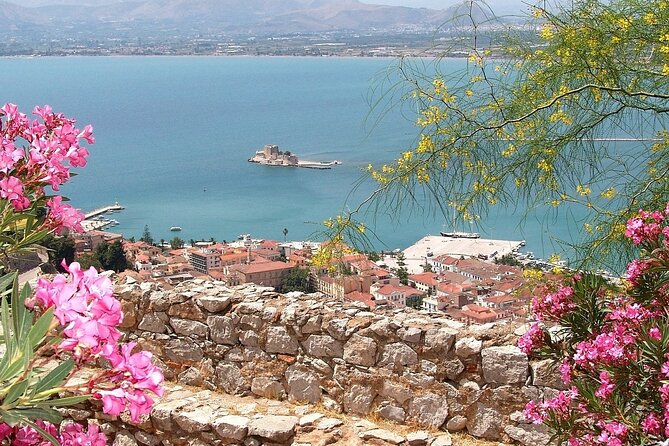
Days 7 to 9 keep the energy high by changing the scenery type every day.
In Nafplio, you get a classic old-town walk, plus stops like Akronafplia Castle and Bourtzi. The Palamadi Castle visit and Karoni’s Distillery Museum with Ouzo sampling gives the town a real local-food feel. That’s my favorite kind of sightseeing: you walk for history, then you taste for context.
Next comes Sparta and then Mystras (UNESCO). Sparta is handled through archaeological highlights such as the Acropolis area, Temple of Athena, ancient theatre, and the Statue of Leonidas, plus a Museum of Olive oil. Then you drive into Mystras for the main event, including the Despot’s Palace and monasteries such as Peribleptos and Pantanassa. Mystras works best when you let it be strange, a hillside city of Byzantine chapels and stone streets that feels both abandoned and alive.
Then Day 9 turns underground with Diros Caves near Areopolis. The itinerary describes narrow passageways and boat-access areas, with stalactites and stalagmites. It’s a cool contrast to open-air ruins, and it’s the kind of activity that breaks the monotony of “another site, another view.”
From Olympia tastings to Ioannina: Bridges, oracles, caves, and Byzantine fortress life
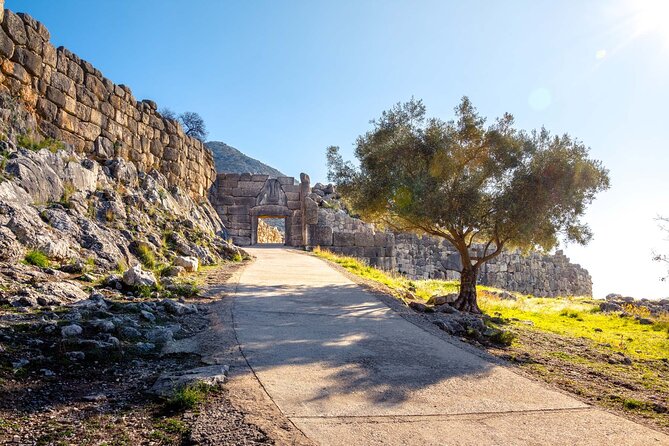
Days 10 to 14 form a chain from ancient sites to inland storytelling.
Day 10 includes Nestor’s Palace, the Griffin Warrior Tomb, and the Chora Archaeological Museum, plus time around Methroni and Pylos, and the Navarino fortress area. It’s a “less famous” set compared with Athens and Santorini, but that’s the point: you’re getting the wider Greek map, not only the postcard corners.
Then Day 11 takes you to Ancient Messene (UNESCO), with a drive to Vassae at ancient Figaleia and the Temple of Apollo Epikourios. From there, you head to Olympia, another UNESCO anchor.
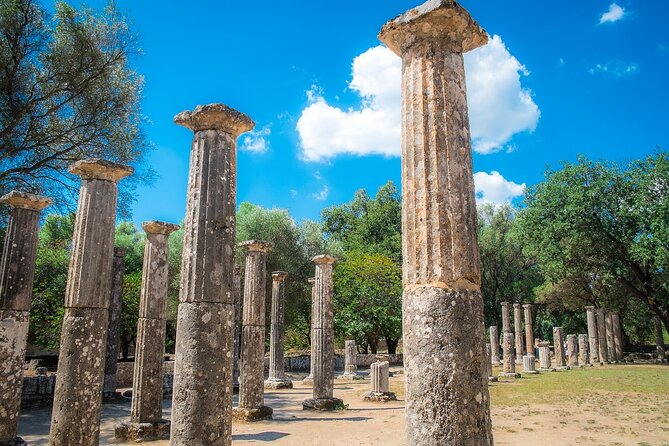
Day 12 is where Olympia gets fun. You visit the archaeological site and museum, including the Coubertin monument and Olympic Games museum elements. Then the day includes tastings at Achaia Claus Winery, plus a “Market of Ancient Olympia” stop that includes free wine and olive oil tasting. The honey farm stop, Klio’s Honey Farm, includes coffee or juice and handmade desserts made with honey. After a full day of stone and dates, it’s an excellent way to shift your senses.
Day 13 includes the Rion-Antirion bridge crossing, then Naupactus with the Venetian Castle and Venetian Port. After lunch, the day moves to Dodoni Sanctuary and Theatre and then the Perama caves, described as part of a very old underground riverbed system. It’s another scenery-change day that keeps you awake.
Day 13 ends in Ioannina, with a walk by the Lake of Ioannina. Day 14 then adds the fortified old town and the castle, described as the oldest Byzantine fortress in Greece, plus stops tied to local Ottoman history. The itinerary also specifically calls out food you can sample, including frog’s legs and the dessert sker bourek.
Corfu Days 14 to 16: Old Town UNESCO plus Achilleion and Palaiokastritsa sea views
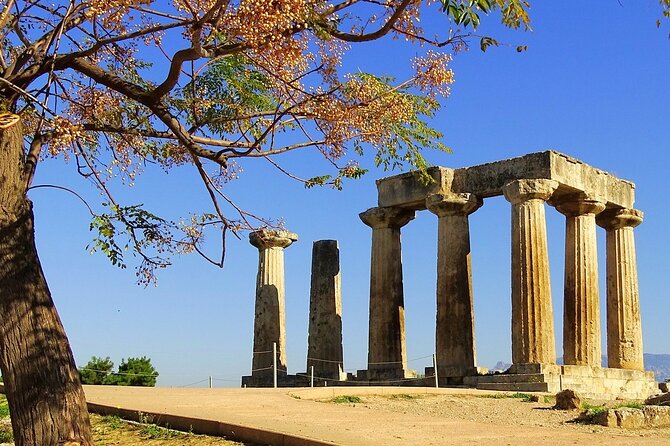
The Corfu portion is one reason this tour scores so well with people who want something beyond the mainland story.
Day 14 gets you over by late car ferry from Igoumenitsa to Corfu, then you check in and start sightseeing the next day.
In Corfu Town and old town areas, you visit the UNESCO-listed old town built under Venetian style. The stops include the Achilleion Palace, Mon Repos Palace, and then the Old Fortress remains. You also get a dense set of cultural landmarks, including the Palace of St. Michael and St. George, Ionian Academy, Schulenburg statue, and the church of Saint Spyridon built in 1456. If you like walking historic streets, Corfu Town is a strong match.
Day 16 is the sea side of the island. You go to Palaiokastritsa, described as the Capri of Greece, then you visit Mouse Island via Kanoni, with Panagia Vlacherna church and the 14th century Venetian fortress. You also end with time back in Corfu Town for ruins at Palaipolis and a coffee break at Liston Square. This structure is practical: you start outdoors, then finish with a calmer town moment.
If you’re traveling with a group that includes different “sightseeing styles,” Corfu makes that easier. Some people love fortress history, others prefer sea views and photo stops.
Northern Greece to Meteora: Vergina, Thessaloniki, Dion, and that sunset above the rocks
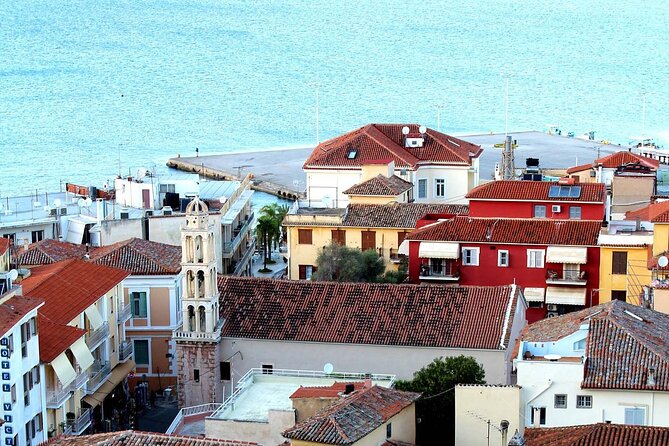
The trip doesn’t stop being active once you leave Corfu. It pivots into northern Greece, and then into mountain monasteries.
Day 17 includes ferries and two culture stops before Thessaloniki: Vergina (ancient Aigai) and its Great Tumulus museum, with the tomb of King Phillip II, plus a stop in Veria with the Saint Paul bema and old Jewish neighborhood areas.
Day 18 is Thessaloniki in full museum-and-monument mode. The plan includes ramparts, the Arch of Galerius, the Rotunda, Monument of Alexander the Great, and major churches including St. Demetrius Basilica with the underground crypt, and the Acheiropoietos Church. There’s also the Museum and Museum of Byzantine Culture, plus the White Tower for photos.
Day 19 hits Dion, described as the sacred city of the Macedonians at the foot of Mount Olympus. Then you drive to Meteora for a sunset tour around the rocks, and that’s included.
This is where the tour’s pacing makes sense. Instead of arriving at Meteora, dropping your bags, and only seeing the monasteries the next day in flat daylight, you see the light change. Even if you’ve seen photos before, sunset conditions are different. You’re standing on the ground, hearing the guide talk, and watching the rocks turn.
Meteora and Delphi: UNESCO monasteries, the Oracle, and the road to Athens
Day 20 is the guided Meteora visit. You go to the Holy Monastery of Great Meteoro, then St. Stephan monastery, described as a smaller 16th century church decorated in 1545. Admission tickets are listed as not included, so keep that in mind.
After Meteora you drive to Delphi for overnight, and Day 21 becomes an anchor for classical myth and religion. You visit the Ancient Oracle area, stadium, ancient theatre (capacity noted as exceeding 5,000 spectators), and museum time. Delphi is one of those places where the site makes sense when you learn why people came.
You also get a break in Arachova, with time in the traditional winter village for coffee or lunch. The day then moves toward Thermopylae with a short stop at the Leonidas statue, and you visit the Monastery of Osios Loukos (UNESCO) before returning to Athens for overnight.
The overall effect is a strong storyline. You go from oracle and pilgrimage routes back to modern Athens, without losing momentum.
Mykonos and Delos by boat: A fun island day paired with UNESCO ruins
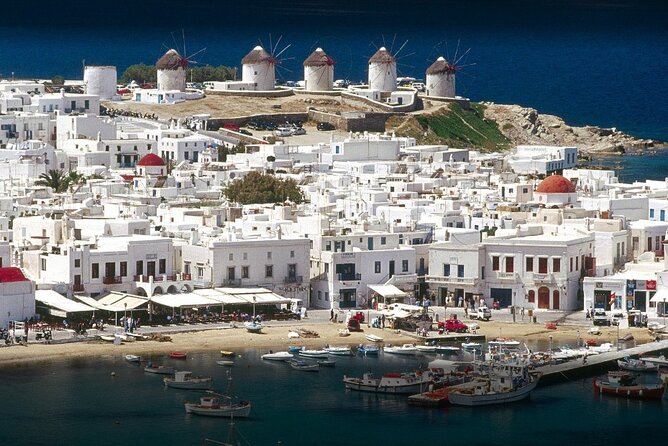
Day 22 shifts from mainland Athens to the islands with a ferry from Piraeus to Mykonos. The day plan is designed for freedom: a full block of time (8 hours) for you to relax, stroll, shop, and enjoy the nightlife vibe. The itinerary calls out Little Venice and the narrow streets around what it describes as matogiania.
On Day 23, you get an island rhythm that works for history-lovers too: a boat day to Delos, a UNESCO site, plus time at Rhenia for swimming, snorkel, and sun time. The plan includes a Delos exploration block of about 1.5 hours, then a BBQ lunch on board. You sail to Rhenia for about 2 hours.
Important practical note: Delos is marked as an optional extra cost in one part of the description, and admissions are listed as not included. So you’ll want to check what’s covered versus what’s ticketed before you go.
This Mykonos and Delos pairing is smart. You get energy on the island, then you get the archaeology payoff that’s hard to recreate on your own.
Santorini: Oia sunset first, optional volcano cruise second
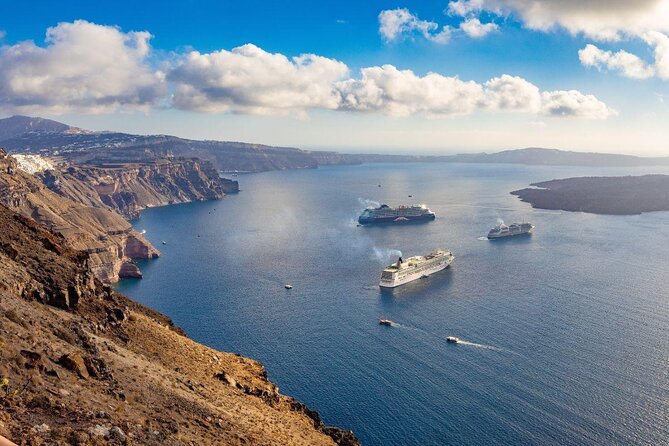
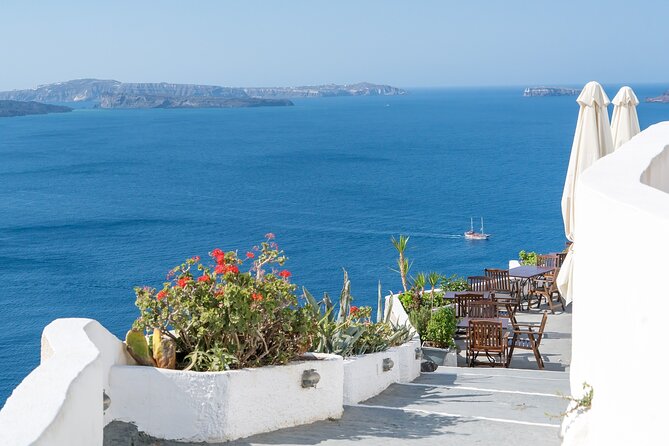
Day 24 transports you from Mykonos to Santorini by boat, then you focus on one thing most people come for: the Oia sunset. The itinerary also includes time to walk the narrow streets in the capital area for souvenirs and dinner or a drink.
Day 25 is an optional add-on: a Santorini cruise that includes Palea Kameni hot springs and swimming time, plus photo stops described as Aspronisi, the Ancient Lighthouse, Akrotiri, and Indian Rock. You also visit Red Beach and White Beach by boat access. The day includes an onboard BBQ buffet, and it ends with a sunset view back in Oia.
This optional day is a great choice if you like active sightseeing. If you’d rather keep it slow, you can skip it and stay with town time and views.
Where the trip tempo matters most: driving, breakfasts, and time on your feet
Because this is a 27-day loop with multiple regions, your day-to-day experience comes down to two things: transport time and walking time.
You have breakfast included every day (26 breakfasts listed). That makes mornings easier, especially on days with early departures. Many stops are structured as “walk the area, then move on,” so you’re often switching between viewpoints, ruins, and museums in a single day.
Also remember: entries are often not included. That doesn’t make the sites less worth it, but it does mean you should keep some spending flexibility for ticket lines and timed entry planning.
Should You Book This Grand Circle Tour?
Book it if you want Greece as a whole country experience, not just a single highlight reel. This tour is best for you if you like UNESCO sites, hate transportation planning, and want a route that connects mainland history to island scenery with minimal friction.
Skip it or consider a smaller version if you prefer slower travel and fewer transfers. The schedule is full, and you’ll spend a lot of time on the move, especially once you start cycling between big-ticket archaeology and island ferries.
If you do book, pack for mixed terrain, expect admissions to add up, and use the free time blocks like they are supposed to be used, nap, stroll, reset, then go back out. Done right, this is the kind of trip that gives you Greece in layers, and not just the loudest photos.
FAQ
How long is the tour?
The tour is 27 days.
Where does the tour start and where does it end?
It starts with meeting at Athens International Airport. It ends with checkout in Athens and transfer to your departure airport.
Is airport pickup offered?
Yes. Private transfers are included from and to the airport, along with hotel and port transfers.
Are ferry tickets included?
Yes. Ferry tickets are included for the routes involving Piraeus, Mykonos, Santorini, Corfu, and the return to Piraeus.
Are site admission tickets included?
No. Many stops list admission tickets as not included, so you should budget separately for entry fees.
How many nights of accommodation are included?
The tour includes 26 nights of accommodation with breakfast.
Is the tour private?
Yes. It is a private tour, and only your group participates.
What if I travel in November to March?
The tour notes that for November to March, you strongly recommend replacing Mykonos with Crete in your travel plans.
Fresh options around Athens
- 3-Day Trip to Delphi and Meteora from Athens★ 4.0 · 53 reviews
- 3-Day Tour: Mycenae, Epidaurus, Nafplio, Delphi, Meteora With 4* Hotel Included★ 5.0 · 6 reviews
- 2 or 3-Day Private Tour: Ancient Olympia, Corinth, Mycenae, Epidaurus, Nafplion★ 5.0 · 11 reviews
- 4-Day Classical Tour Greece: Epidaurus, Mycenae, Olympia, Delphi, Meteora★ 4.5 · 4 reviews
- Hydra Island & Mythical Full Peloponnese Private 9-Day Tour★ 5.0 · 3 reviews
- 20-Minutes Natural Pedicure with Exotic Fish★ 5.0 · 17 reviews
- 2 Day Delphi, Meteora Iconic Sites Private Tour With 4* Hotel Included★ 5.0 · 3 reviews
- Awe-inspiring 2-days private tour to Delphi and Olympia★ 4.0 · 4 reviews
Tours, compared.
Acropolis, Parthenon & Acropolis Museum Guided Tour
Read our review →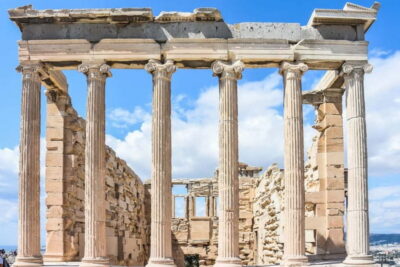


Mythology of Delphi, Museum and Arachova Guided Tour
Read our review →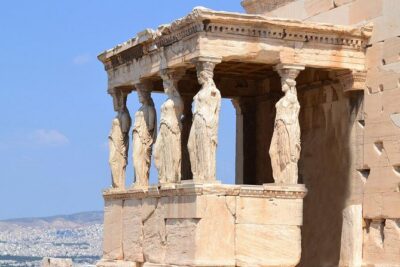
Acropolis, Parthenon & Acropolis Museum Guided Tour
Read our review →