
Reviewed · 3-DAY EXPERIENCES
3-Day Ancient Greek Archaeological Sites Tour from Athens
This is a great way to see the most important classical sites in Greece without renting a car or playing map chess for three straight days. I love how the tour pairs big ruins with a clear story, so the myths feel like they connect to real places. I also like the carbon-neutral approach, with transfers handled by an air-conditioned coach.
The second thing I really like is the guide style. Past departures have been led by people like Anna and Panos, Marianna Tsigaridou, and Dimitris, and the best energy is practical: clear meeting points, smart pacing, and museum time that actually helps you understand what you’re looking at.
One drawback to plan around is time and heat. Even with breaks, Olympia and Delphi can be brutally sunny in summer, so you will want shade hunting habits and solid sun protection.
Key Things I’d Book This For
- Epidaurus theatre acoustics: you see a world-class performance space where sound was treated like a technology
- Olympia’s Olympic flame altar: the site mixes sacred atmosphere with very physical, walkable ruins
- Mycenae and the Tomb of Agamemnon: a citadel that feels real, not just stacked stone
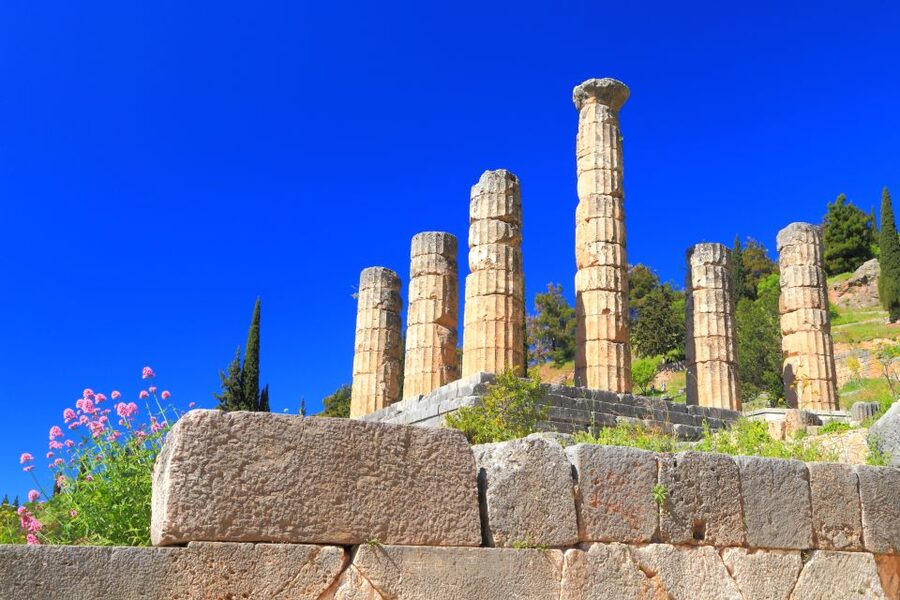
- Delphi’s Apollo sanctuary and theatre: you get the Oracle story plus views that make the mountain location make sense
- Corinth Canal and the bridge transfer: engineering stops and a scenic route break up long drives
- Guide-driven context plus museum visits: the Archaelogical Museum of Olympia is built into the experience, not an optional add-on
Why This 3-Day Ancient Greece Route Feels Efficient
This tour targets a tight triangle of sites that most people struggle to stitch together on their own in only three days. You cover Mycenae, Delphi, and Olympia, plus the key supporting stops that make the story flow. It is not just a list of ruins. The route links legends to geography, so you start to feel how the Greeks imagined their world.
You also get a steady rhythm. Morning site time, afternoon site time, then an overnight base. That structure matters because these places are far apart, and driving yourself can turn the trip into stress. Here, you spend your energy on walking, photos, and questions.
The carbon-neutral framing is also a real plus. Even if you do not obsess over emissions on vacation, you still benefit from fewer decisions: one vehicle, one plan, and less wasted transit time.
More of Athens worth an open tab:
- Athens: Acropolis & up to 5 Archaeological Sites Combo Pass
★ 4.4 · 12,619 reviews - Athens: Acropolis, Parthenon & Acropolis Museum Guided Tour
★ 4.8 · 9,316 reviews - Athens: Cape Sounion & Poseidon Temple Sunset Half-Day Trip
★ 4.8 · 8,241 reviews
Price and Value: What You Get for $506
At $506 per person for three days, the value depends on what you would otherwise spend if you tried to DIY it.
Here is what you do get included:
- A live English guide
- 3-star or 4-star hotel (choice depends on the option you select)
- Entrance fees
- Transfers by luxury air-conditioned bus
- Breakfast and dinner
You still need to budget for:
- Drinks
- Lunch
- Personal expenses
- Hotel tax (paid directly to the hotel)
That hotel tax detail matters. It is €5 per room per night for 3-star properties and €10 per room per night for 4-star properties. If you care about cost control, confirm which hotel rating you’re actually booking.
One value point I appreciate: dinners and breakfasts mean you do not have to hunt for food after long days. In one case, a guest with celiac disease was accommodated at each meal stop. So if you have dietary needs, it is worth flagging ahead of time.
Is it cheap? No. Is it fair for what it bundles? Yes, because you are paying for logistics, guiding, and site entry, not just transport.
Day 1 Plan: Corinth Canal to Epidaurus, then Nafplio and Mycenae
Day 1 is a classic “big hits” day. You leave Athens, then you ease into the Peloponnese story with engineering and theatre before you hit the Mycenaean heartland.
Corinth Canal on the Saronic Gulf, plus a real sense of scale
A short stop at the Corinth Canal gives you a modern contrast. It is a 19th-century engineering feat, and seeing it from the right angle helps you understand how geography shaped movement. For many visitors, that “wait, this is real and it’s recent” moment sticks.
It also breaks the ride psychologically. You are not just sitting on a bus for hours before something interesting happens.
Same corner of Greece, a different kind of day:
- Athens: Acropolis and Parthenon Guided Walking Tour
★ 4.6 · 5,882 reviews - All Day Cruise -3 Islands to Agistri,Moni, Aegina with lunch and drinks included
★ 5.0 · 4,958 reviews - Athens, Piraeus, and Coastline: Blue Hop-On Hop-Off Bus
★ 3.9 · 4,849 reviews - Greek Food Walking Tour in Athens
★ 5.0 · 4,740 reviews
Epidaurus: the theatre where sound was treated seriously
Then you reach Epidaurus. The standout is the ancient theatre, famous for its outstanding acoustics. Even if you do not catch a performance, standing in the space helps you grasp why this place mattered. The layout makes it feel less like a ruin and more like a tool.
Nafplio area and a drive through the Argos plain
Next comes Nafplio, plus a drive through the plain of Argos. This is not a heavy touring day in town. It functions as a visual reset and a chance to understand the region you are crossing.
Nafplio also gives a different Greece flavor. It is historic, but it is not only ancient stone. That mix helps you avoid the “only ruins all day” fatigue.
Mycenae: citadel ruins and the Tomb of Agamemnon
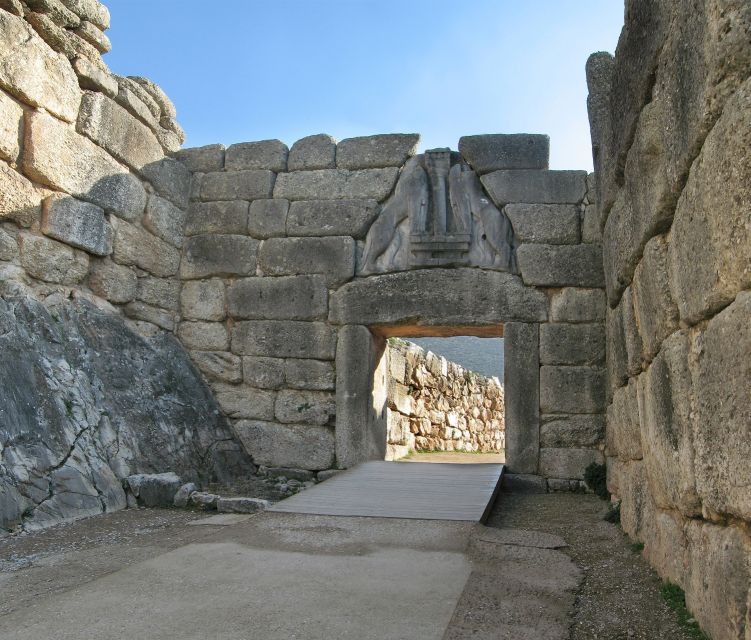
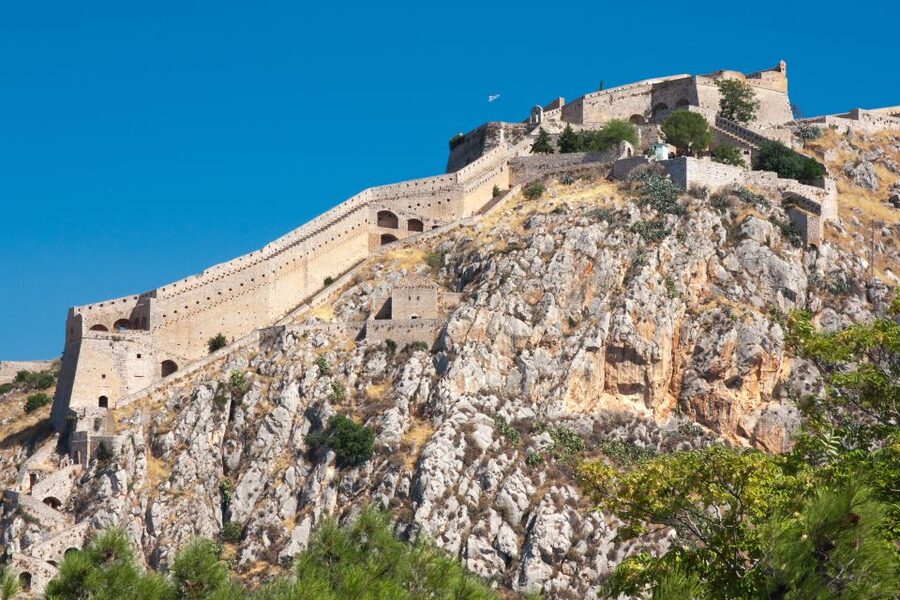
Finally, you arrive in Mycenae and visit the citadel ruins and the Tomb of Agamemnon. In many archaeological sites, you are forced to use imagination. Mycenae is better because the hilltop fortifications give you a strong “why here” feeling.
I like that the guide sets context first, then gives time to explore. One useful pro tip from experience: take photos as you go. Time moves fast, and you may not loop back for the details you want.
The Day 1 Overnight: Getting to Olympia the practical way
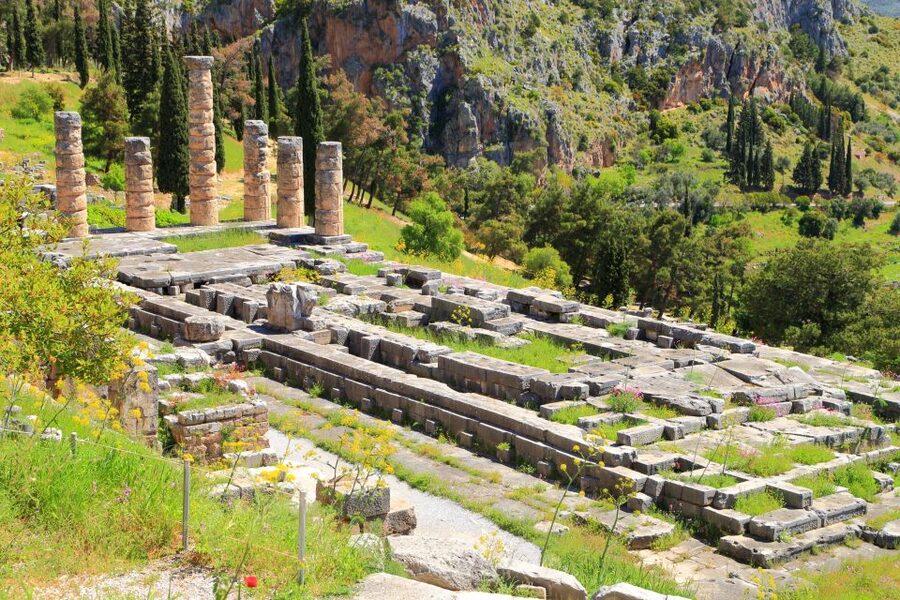
You finish Day 1 by traveling onward to Olympia for the night, stopping via Tripolis and Megalopolis. These are short legs, mostly for stretch breaks and quick shopping chances.
Two practical realities:
- The day is long. You will want comfortable shoes because the walking is front-loaded right after travel.
- You should treat the hotel as a base, not a sightseeing plan.
The quality of the overnight stays seems to vary by option and availability, but most people find the rooms pleasant, and Olympia lodging is positioned so you can make the most of the next day’s early site time.
Day 2: Olympia Ruins, the Stadium, and the Olympic Flame Altar
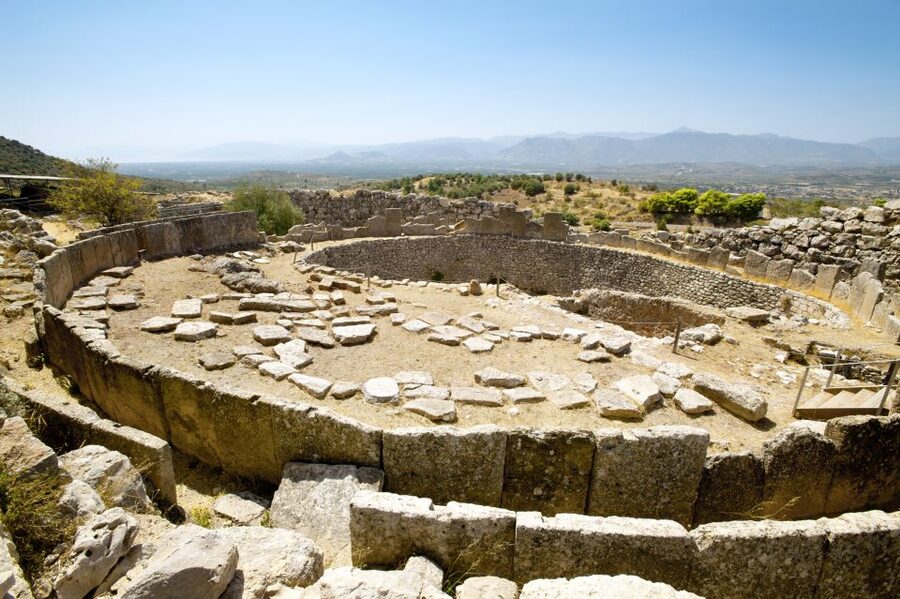
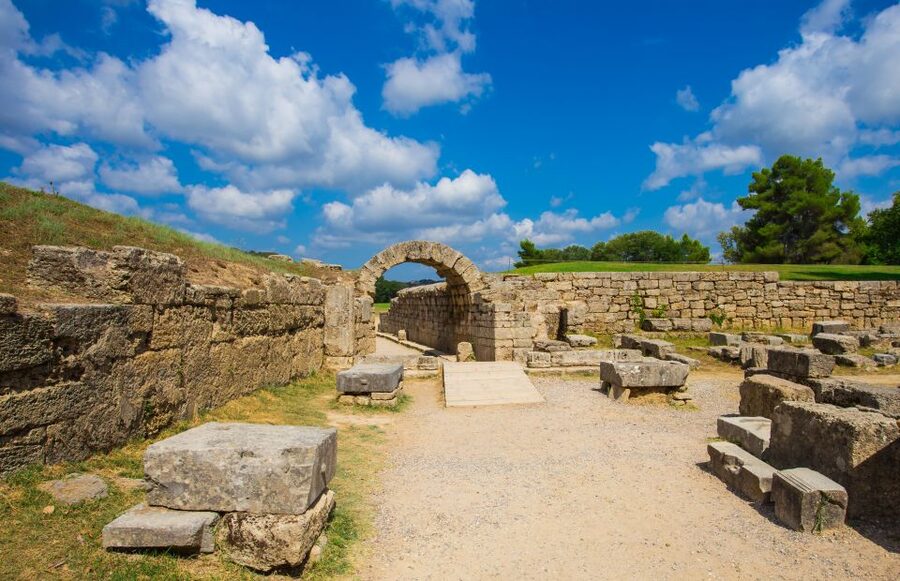
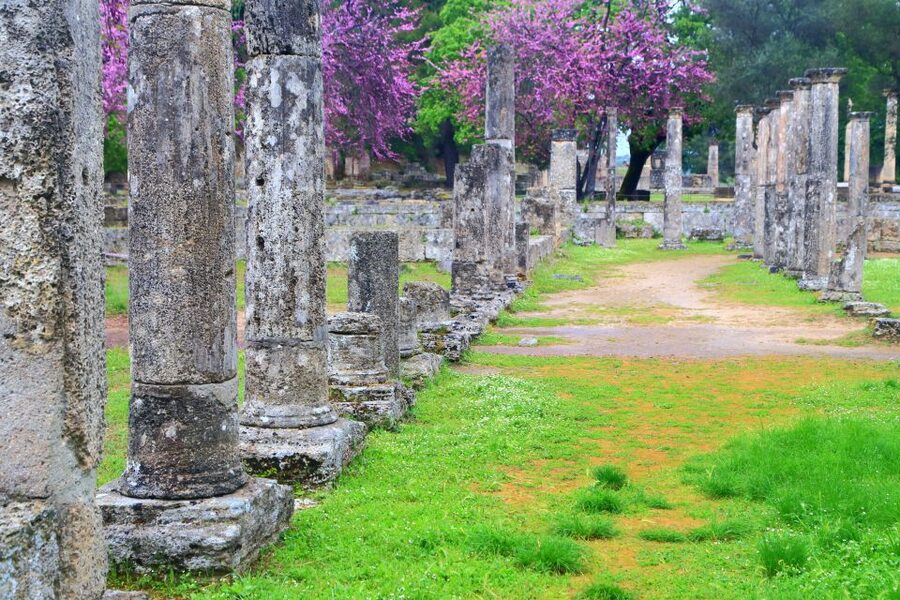
Day 2 starts in Olympia, where the Olympic Games were held in classical times and the area functioned as sacred ground. You see the Doric columns of the Temples of Zeus and Hera, plus parts of the stadium.
The altar of the Olympic flame
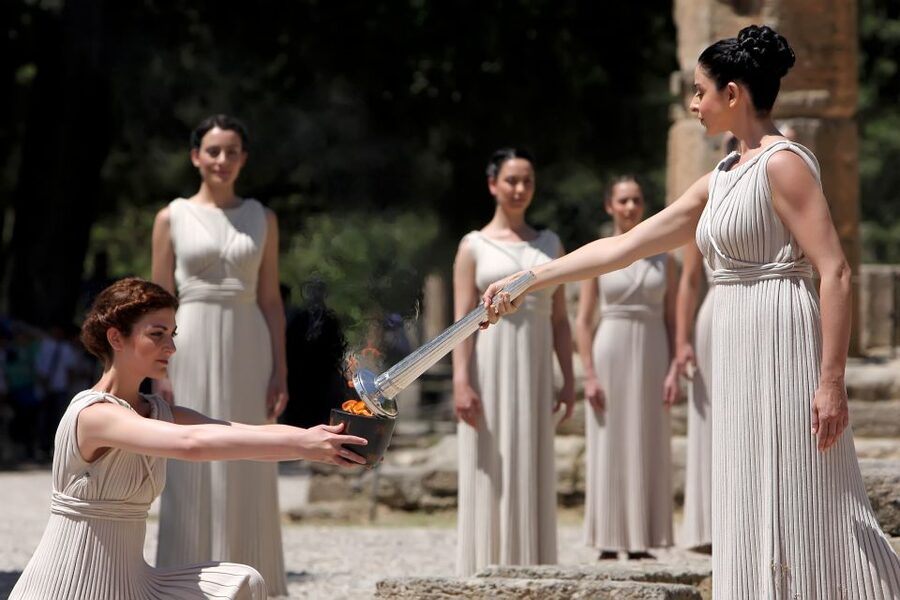
One of the most memorable moments here is visiting the altar of the Olympic flame. It is a modern ritual marker placed into an ancient setting, and that contrast helps you understand how cultural memory survives. It is not just “old stones.” It is a place still used for symbolic meaning.
Museum time: why it matters here
The tour includes the Archaeological Museum of Olympia, directly opposite the ruins. This is where the day stops feeling like a scenic bus tour and starts feeling like a coherent education.
I especially like that this museum visit is built into the plan, not left for you to figure out. The artifacts give you reference points. When you later look at the site remains, you can make better guesses about what you are seeing.
Rion to Antirion via Corinthian Bay, then to Nafpaktos
After Olympia, you depart for Rion and cross the Corinthian Bay via a new bridge to Antirion. This transfer is more than transportation. It gives you a chance to shake out your legs and see coastline shapes as you move toward Delphi.
You also pass the harbor city of Nafpaktos on the coastal road to Delphi. It is a charming stop in the viewing sense, even if you are not doing a full town tour.
Arachova in the afternoon
In the afternoon, you visit Arachova, a mountain village on the slopes of Parnassus. Even brief time here adds a lot. Delphi is high and exposed. Getting to see the village setting makes the terrain feel less random.
Then you sleep in Delphi for the next day’s main event.
Day 3 in Delphi: Apollo, the Oracle, and the theatre with big views
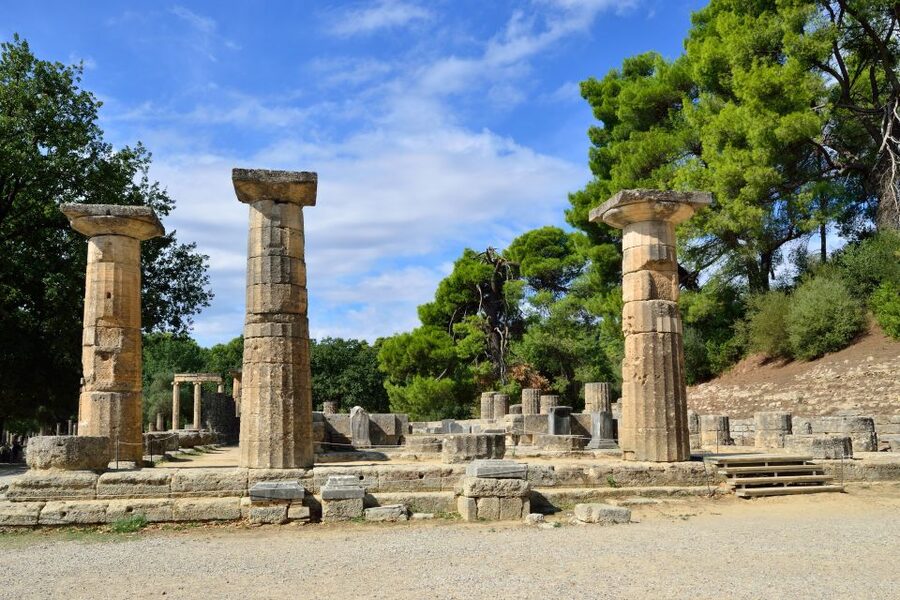
Day 3 is where Delphi takes over your attention.
The archaeological site sits high on Mount Parnassus, and the plan includes a tour that emphasizes the site’s mysterious atmosphere. You connect the setting to worship of Gaia, and to the myth of the Python dragon killed by Apollo. If you like mythology, this storyline makes the walking more satisfying because you can “place” the legends into the landscape.
The Temple of Apollo and the Oracle story
You visit the temple dedicated to Apollo, then learn about the Oracle of Delphi. The key is that you are not only hearing the myth. The tour explains how the Oracle fits into the site, so the buildings and terraces feel purposeful.
Delphi theatre: up to 5,000 spectators
Next you go to the theatre. It could host up to 5,000 spectators, which is huge for a mountain stage. Standing there, you start to understand why theatre and pilgrimage shared DNA: both required attention, awe, and a crowd experience.
If your group has shade-finding instincts (or the guide has them), you can get comfortable while explanations happen at the right tempo.
Archaeological Museum of Delphi
You also get time in the Archaeological Museum of Delphi with an impressive collection tied to the site and the Oracle tradition. Museums here help you read what you would otherwise see as “piles of stone.” That matters because Delphi is not always visually dramatic in the way visitors expect. The museum turns the rocks into evidence.
Return drive to Athens through Phocis
In the afternoon, you head back to Athens, driving through the vine and olive tree-studded hills of Parnassus and the Valley of Phocis. This part is useful because it gives you a slower mental ending. After three days of ancient sites, you get scenery that feels Greek in everyday life, not just in museums.
Summer Heat, Touring Pacing, and How to Set Yourself Up
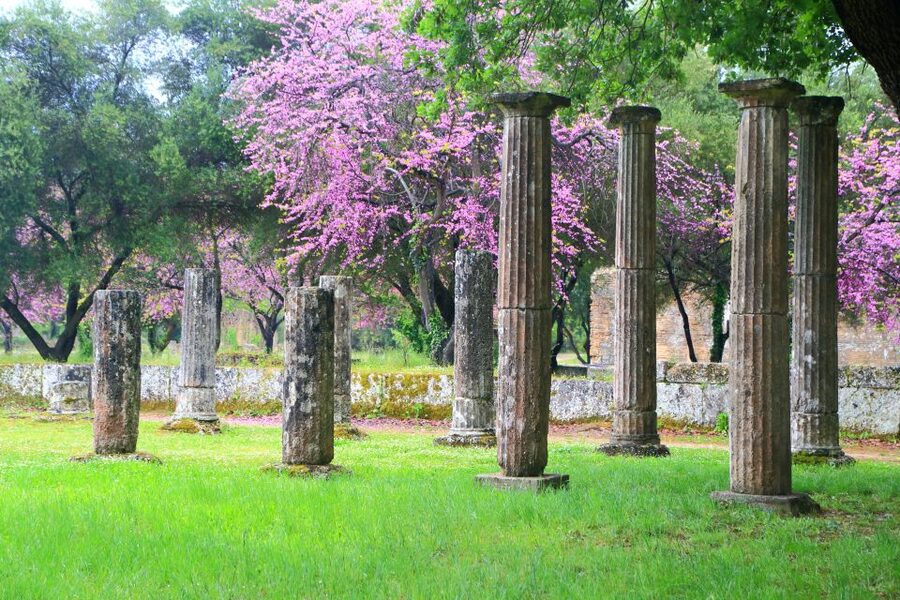
One thing I want you to take seriously: sun and heat. One departure example described Olympia and Delphi around 35°C, with the group scrambling for shade between explanations and walking.
You can fix a lot of that with preparation:
- Bring a big hat, not just sunglasses
- Use sunscreen and reapply when you can
- Pack water, and drink it even when you feel fine
- Expect that some areas have little shade and plans may adjust to your guide’s instincts
Pacing is also a consideration. A fast schedule is part of the deal when sites are far apart. Still, multiple guide styles in the lineup show a similar approach: context first, short exploration windows, and museum stops timed so you do not feel completely rushed.
Group size can vary. I’ve seen reports of smaller groups that felt friendly, and also cases where larger group logistics slowed things at Mycenae and Delphi. If you prefer low-friction timing, arriving early to meet points and staying attentive to instructions will help.
Who Should Book This Tour (and Who Should Skip It)
This tour is a strong fit if you want:
- A guided overview of three headline classical sites
- Myth and history tied to real places, not just dates and labels
- Included meals, entries, and transport, so you can travel light
- A structure that works even if it’s your first time in Greece outside Athens
You might think twice if:
- You hate long days of driving and you do not cope well with heat
- You want full free time at each site, because the plan balances guiding and exploration
- You need wheelchair access, since the tour is not suitable for wheelchair users
Also, if you are the type who reads every sign and wants museum deep time, you might feel the schedule moves quickly. But if you like a clear overview plus the chance to wander in key moments, it’s a smart use of three days.
Final Call: Should You Book This 3-Day Classical Greece Tour?
I’d book it if your goal is to leave Greece understanding the connections between Mycenae, Olympia, and Delphi, and to do it with less hassle than independent travel.
I would be cautious if you are sensitive to heat or you dislike structured schedules. You can still enjoy the tour in summer, but you need the right gear and the right mindset, especially for Olympia and Delphi.
If you want an easy win and a strong guide experience, this route is one of the better ways to tackle Ancient Greece efficiently. It gives you the big moments, the museum evidence, and the myth context that makes the ruins feel like more than scenery.
FAQ
What sites are included in this 3-day tour?
You visit Epidaurus (including the ancient theatre), Nafplio area viewpoints, Mycenae (citadel and the Tomb of Agamemnon), Olympia (Temple of Zeus and Hera areas, stadium remains, and the altar of the Olympic flame), and Delphi (the Temple of Apollo, Oracle context, the theatre, and the Delphi archaeological museum). You also pass the Corinth Canal and stop in areas such as Tripolis, Megalopolis, and Nafpaktos, plus visit Arachova.
What is included in the price?
The price includes a live English guide, entrance fees, luxury air-conditioned bus transfers, and accommodation in a 3-star or 4-star hotel (based on your selected option). Breakfast and dinner are included.
Are lunch and drinks included?
Lunch is not included, and drinks are not included. You will need to plan for lunch on your own each day and budget for beverages.
Where do you sleep on each night?
You stay overnight in Olympia after Day 1, and you stay overnight in Delphi after Day 2.
Is hotel tax included?
No. A hotel accommodation tax is added and paid directly to the hotel. It is €10 per room per night for 4-star hotels and €5 per room per night for 3-star hotels.
Is hotel pickup available from Athens?
Yes. Pickup is available from most centrally located hotels in Athens on request, about 1 hour before the tour departure time. If you prefer, you can meet at the tour supplier’s office 15 minutes before departure.
Is this tour wheelchair accessible?
No. The tour is not suitable for wheelchair users.
Fresh options around Athens
- 3-Day Trip to Delphi and Meteora from Athens★ 4.0 · 53 reviews
- 3-Day Tour: Mycenae, Epidaurus, Nafplio, Delphi, Meteora With 4* Hotel Included★ 5.0 · 6 reviews
- 2 or 3-Day Private Tour: Ancient Olympia, Corinth, Mycenae, Epidaurus, Nafplion★ 5.0 · 11 reviews
- 4-Day Classical Tour Greece: Epidaurus, Mycenae, Olympia, Delphi, Meteora★ 4.5 · 4 reviews
- Hydra Island & Mythical Full Peloponnese Private 9-Day Tour★ 5.0 · 3 reviews
- 27 Day Grand Circle Tour of Mainland & Corfu, Mykonos, Santorini★ 5.0 · 4 reviews
- 20-Minutes Natural Pedicure with Exotic Fish★ 5.0 · 17 reviews
- 2 Day Delphi, Meteora Iconic Sites Private Tour With 4* Hotel Included★ 5.0 · 3 reviews
3-Day Experiences, compared.
3-Day Classical Greece Tour: Epidaurus, Mycenae, Nafplion, Olympia, Delphi
Read our review →


3 days 2 nights Meteora with small size tours & hotel
Read our review →

2 or 3-Day Private Tour: Ancient Olympia, Corinth, Mycenae, Epidaurus, Nafplion
Read our review →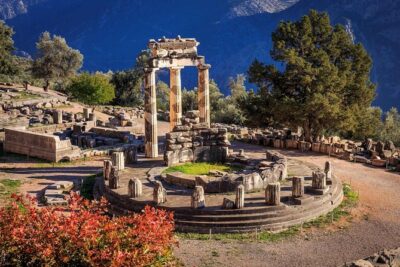
3-Day Tour: Mycenae, Epidaurus, Nafplio, Delphi, Meteora With 4* Hotel Included
Read our review →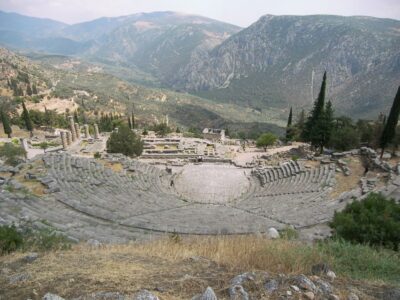
3-day classical Spanish guided tour in Peloponesse & Delphi
Read our review →Browse the lists this tour appears in