Reviewed · TICKETS
Athens: Museum of Cycladic Art Entry Ticket
The Museum of Cycladic Art in Athens is interesting because it turns the ancient Aegean world into real objects you can study closely, from 2300 BC marble figurines to later Greek and Cypriot masterpieces. I love how the museum keeps the focus on actual material culture, not vague stories, and I especially like how it links Cycladic art to the broader Greek and Cypriot collections on the upper floors.
One possible drawback: if your visit lines up with renovations, you may hear loud construction noise and lose time indoors. If you are sensitive to sound, it is smart to bring earplugs and plan a bit more flexible time.
Key things to know before you go
- A museum built for looking, with permanent collections spread across multiple levels
- Early Bronze Age Cycladic sculpture, including iconic marble work dated around 2300 BC
- Greek and Cypriot collections in one stop, with time ranges spanning centuries and styles
- Informative labels and room layouts, designed to help you follow the flow without feeling rushed
- QR-code audio from Clio Muse Tours, useful, but not necessarily covering every single space
- Cycladic Café on site, where you can take a break after your walking and reading
Why Cycladic Art Feels Different in Athens
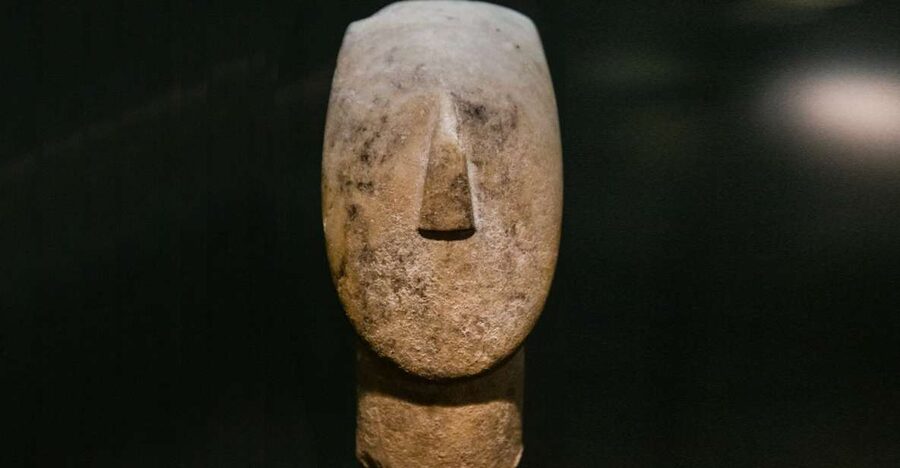
This museum works because Cycladic art does not ask you to be an expert. You can stand in front of a marble figurine and immediately notice how calm, stylized, and precise the carving is. Then you can look farther and see that the same island culture was also making tools, weapons, pottery, and everyday objects.
What makes the experience satisfying is the range. You start with the distinctive Cycladic island culture in the central Aegean during the Early Bronze Age, then you move into Greek history across a much wider timeline. After that, the museum shifts again into Ancient Cypriot Art, where local traditions blend with Greek, Egyptian, and Near Eastern influences.
A few more Athens days worth comparing
- Athens: Acropolis, Parthenon & Acropolis Museum Guided Tour
★ 4.8 · 9,316 reviews - Athens: Mythology of Delphi, Museum and Arachova Guided Tour
★ 4.6 · 4,008 reviews - Athens: Acropolis, Parthenon & Acropolis Museum Guided Tour
★ 4.8 · 3,579 reviews
Ticket Price and Value: What $14 Buys You
At about $14 per person for a 1-day entry, you are paying for access to the museum’s permanent collections. For that price, you get more than a quick glance at a few highlights. The museum is organized so you can see several categories of artifacts in one visit, including marble carvings, figurines, vases, weapons, coins, jewelry, and ceramics.
I also like that the ticket is built for self-guided visiting. You do not need to match a guide’s pace, and you can spend extra time with the objects that catch your eye. In practice, many people can see the permanent exhibits in around 1.5 to 2 hours if they read the key information and keep moving, and then slow down if they want to.
Getting There From Syntagma: Main Entrance Directions
Your meeting point is simple: enter at the main entrance. It is about a 5-minute walk from Syntagma Square and the Syntagma Metro station, so you can pair this with other Central Athens stops.
If you arrive and the outside approach looks blocked or detoured due to construction, don’t panic. In at least one recent situation, the main street access was temporarily awkward, and the easiest strategy was to adjust how you enter the floors once you are inside. The museum is set up so you can work your way through without needing to backtrack constantly.
Your Route Inside: From Cycladic Highlights to Classical Athens Life
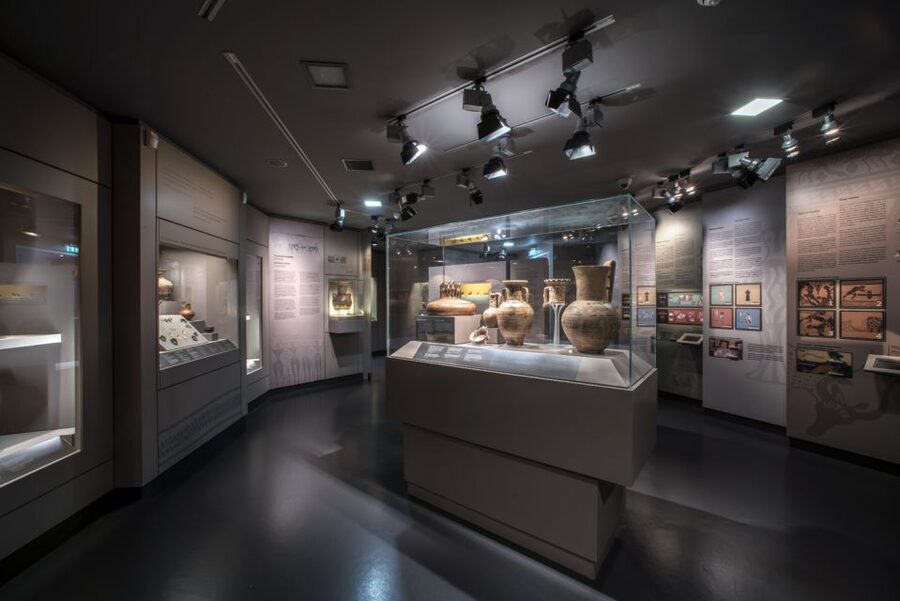
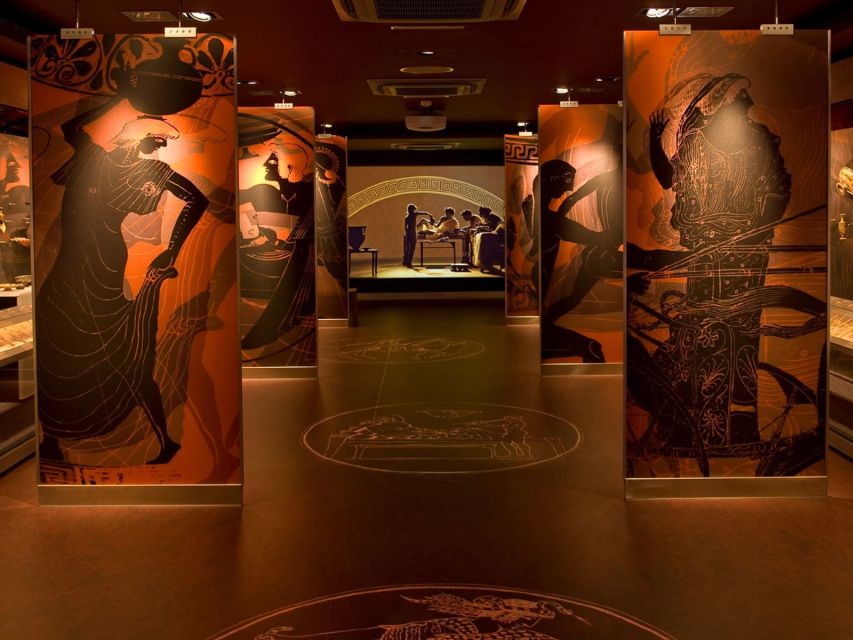
The museum is spread across four floors, and each level has different goals. You can treat it like a guided story, even without a formal tour.
- Second floor: This level gives a broad overview of historical, artistic, and technological developments across ancient Greek history.
- Fourth floor: This is where you get a vivid look at everyday life in Classical Athens.
- Other floors: These focus on the permanent collections, including Cycladic art and the Ancient Cypriot section, with lots of smaller rooms and concentrations of artifacts.
One practical trick if you want less confusion, start at the level that feels most interesting to you, then continue downward by following the flow of rooms. Some people prefer beginning on the last floor and working back, especially if the museum feels crowded in certain passages.
Same corner of Greece, a different kind of day:
- Athens: Acropolis & up to 5 Archaeological Sites Combo Pass
★ 4.4 · 12,619 reviews - Athens: Cape Sounion & Poseidon Temple Sunset Half-Day Trip
★ 4.8 · 8,241 reviews - Athens: Acropolis and Parthenon Guided Walking Tour
★ 4.6 · 5,882 reviews - All Day Cruise -3 Islands to Agistri,Moni, Aegina with lunch and drinks included
★ 5.0 · 4,958 reviews
Cycladic Collection: Marble Figurines and the World They Hint At
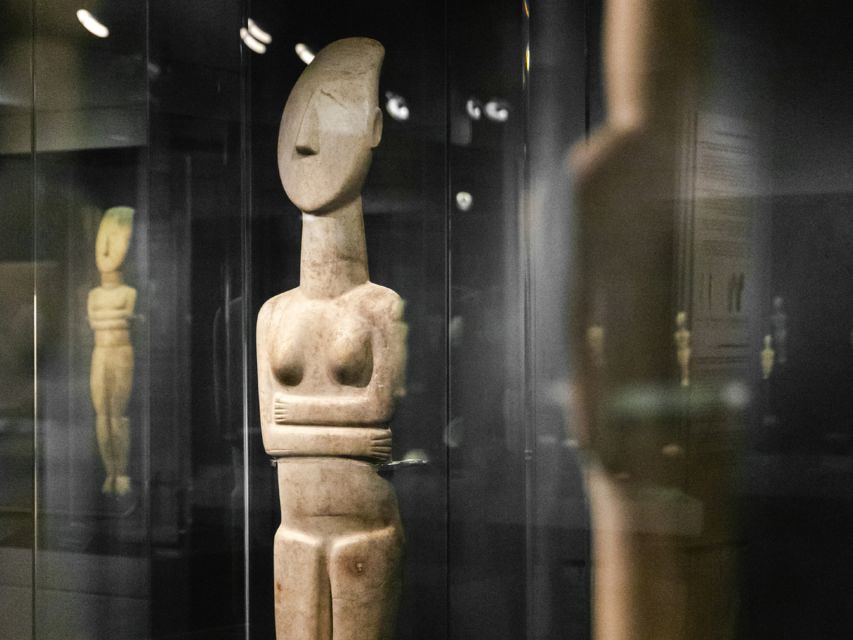
The Cycladic section is the reason many people come. You will see marble art and figurines made with serious craftsmanship, dated to about 2300 BC. These are not generic sculptures. They are a window into a culture that produced distinctive forms and also used artistic skill to express identity and status.
As you move through the rooms, you will also find artifacts beyond figurines. The museum includes items such as marble carvings, tools, weapons, and pottery from different phases of Cycladic island life during the Early Bronze Age.
Why this matters for your visit: it lets you connect style to function. You can look at a figurine, then glance at a tool or weapon and start to imagine daily work, ritual practices, and community priorities. You get the feel of a culture with both symbolic art and practical technology.
Ancient Greek Art Floors: How Society Changes Across Time
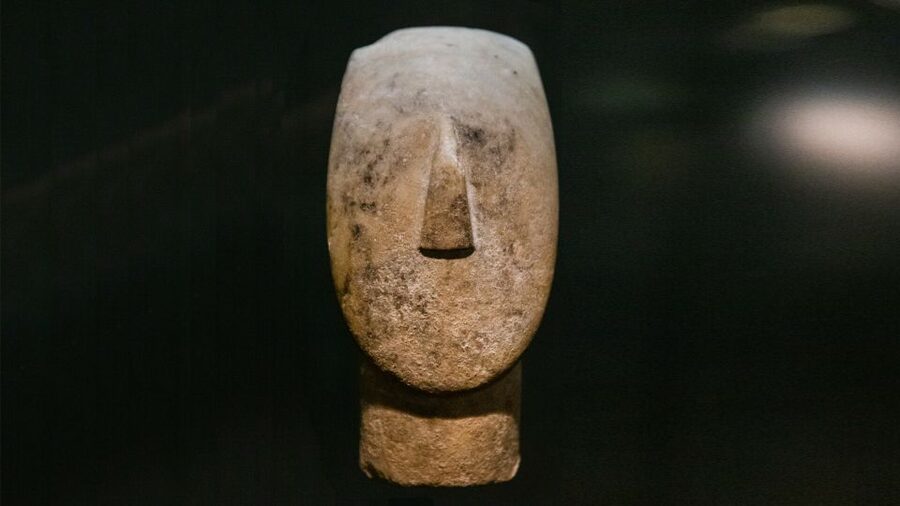
The Ancient Greek Art collection spans a huge time range, from the 2nd millennium BC to the 4th century AD. That is a lot of centuries in one building, but the museum helps by grouping the story into areas you can follow.
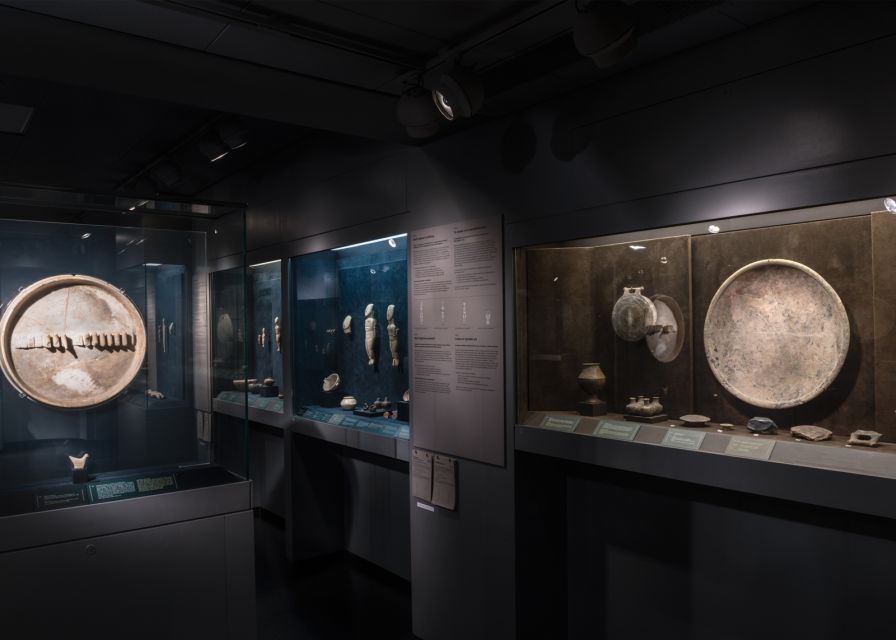
In addition to sculpture and other stone works, you will see painted vases, terracotta figurines, bronze vessels, coins, gold jewelry, and even glass items. That variety keeps you from feeling stuck in one medium.
As the timeline progresses in the galleries, you can watch how Greek society evolves. You are not only seeing art for its own sake. You are also seeing evidence of changing city-state culture, changing tastes, and changing technologies, because the collection includes artifacts tied to historical, artistic, and technological development.
If you like museums where the artifacts feel like evidence, not just decoration, this section is a good match. If you only want a quick look at a few famous works, you might spend less time here and focus more on the Cycladic and Cypriot galleries.
Ancient Cypriot Art: When Cultures Borrow From Each Other
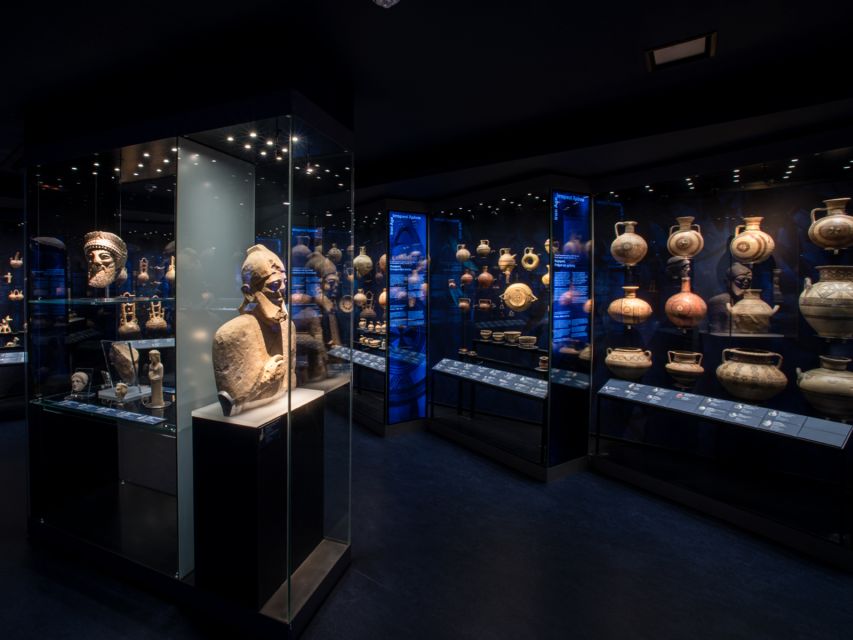
The Ancient Cypriot Art collection is one of the museum’s major strengths. It is described as one of the largest outside Cyprus, and that scale matters because it gives you depth, not just a few representative pieces.
You will see prehistoric figurines, Archaic and Classical sculptures, inscriptions, bronzes, coins, gold jewelry, glasswork, and ceramics. The dates stretch from the 4th millennium BC to Medieval times, so you can sense long-term change without leaving Athens.
What I find especially useful is the way the collection frames cultural mixing. Ancient Cypriot Art combined elements from local traditions, Greek influences, Egyptian styles, and Near Eastern approaches. You can use that as a lens when you look at objects that might otherwise seem unrelated at first glance.
Cycladic Café and Shop Break: How to Plan Around Food Rules
There is a Cycladic Café and a shop inside. The café is positioned as a calmer pause, and it is a good place to regroup after you have been reading labels and walking between floors.
One key rule: food and drinks are not allowed inside the museum spaces. Practically, that means you should plan to eat at the café when you want a break, or outside the museum before you enter. If you bring snacks “just in case,” you will likely have to leave them aside or rethink the plan.
If you want to make this visit feel easy, build in a short cafe stop even if it is just coffee or something light. It helps you keep momentum, especially because you will likely spend real time comparing objects across rooms.
Using the QR Code Audio and Wi-Fi Without Overthinking It
Included in the entry is free Wi-Fi plus Clio Muse Tours with QR code. That is handy if you want extra context without joining a guided tour.
Do not expect the audio to cover everything. One practical note from experience: only a portion of the rooms may have audio tied to exhibits, so sometimes you will rely on the wall labels rather than the phone. Still, when it is available, the QR code tool can make certain objects easier to interpret.
A simple approach that works well: walk quickly once through the museum to get your bearings, then do a second pass through the areas that pull you in. Since you control the pace, you do not need to chase a schedule.
Comfort, Noise, and the Reality of a Multi-Floor Museum
A multi-floor museum is great when you like variety, but it does mean you should expect stairs and a steady walking rhythm. The museum layout is designed to feel clear and not overwhelming, which helps if you do not want to feel lost.
There is also the possibility of renovation noise. At least one visit coincided with construction sound that made staying longer harder. If you want a quiet museum day, bring earplugs and be ready to shorten your time in the affected areas.
On the comfort side, the museum can feel refreshingly cool indoors. That matters in Athens heat, and it makes the museum a strong option for a break when you need to slow down and cool off.
Who This Museum Ticket Fits Best
I think this entry ticket is a smart choice if you like art and archaeology that you can study directly. The mix of marble figurines, pottery, tools, weapons, coins, jewelry, and ceramics gives you something tangible to hold onto.
It is also a good fit if you want one museum that covers more than one ancient culture. You can focus on Cycladic art, then expand into Greek and Cypriot collections without changing museums or transportation.
If you are visiting with kids under about 10, it might not hold attention the way a hands-on museum would. The objects are fascinating, but the experience is still very label-and-looking focused. For older teens and adults, it is usually a solid, calm, self-guided day.
Should You Book This Entry Ticket?
Yes, you should book if you want a structured yet flexible museum day. For $14, you get access to permanent collections that range from Early Bronze Age Cycladic sculpture to broader Greek history and Ancient Cypriot Art, all in one location near Syntagma.
Book it especially if you plan to spend time reading and comparing artifacts, not just photographing. Bring earplugs as a hedge against possible renovation noise, and keep food inside your hotel or outside until you reach the café. If you are the type who likes to walk through a museum at your own speed, this one is an easy win.
FAQ
What is included with the Athens Museum of Cycladic Art entry ticket?
Your ticket includes entry to the museum’s permanent collections. It also includes free Wi-Fi, and you can use Clio Muse Tours with QR code.
Where do I enter the museum, and how do I get there from Syntagma?
Enter through the main entrance. The museum is about a five-minute walk from Syntagma Square and the Syntagma Metro station.
Is there Wi-Fi or an audio option at the museum?
Yes. Free Wi-Fi is available, and there is Clio Muse Tours with a QR code you can use during your visit.
Can I bring food and drinks into the museum?
No. Food and drinks are not allowed inside the museum.
How long is the ticket valid?
The ticket is valid for 1 day. You can check availability for starting times.
Is the museum wheelchair accessible?
Yes. The museum is wheelchair accessible.
Can I cancel my booking, and what payment options are available?
Free cancellation is available up to 24 hours in advance for a full refund. There is also a reserve now, pay later option, so you can book without paying today.
Fresh options around Athens
- 3-Day Trip to Delphi and Meteora from Athens★ 4.0 · 53 reviews
- 3-Day Tour: Mycenae, Epidaurus, Nafplio, Delphi, Meteora With 4* Hotel Included★ 5.0 · 6 reviews
- 4-Day Classical Tour Greece: Epidaurus, Mycenae, Olympia, Delphi, Meteora★ 4.5 · 4 reviews
- Hydra Island & Mythical Full Peloponnese Private 9-Day Tour★ 5.0 · 3 reviews
- 2 or 3-Day Private Tour: Ancient Olympia, Corinth, Mycenae, Epidaurus, Nafplion★ 5.0 · 11 reviews
- 27 Day Grand Circle Tour of Mainland & Corfu, Mykonos, Santorini★ 5.0 · 4 reviews
- 20-Minutes Natural Pedicure with Exotic Fish★ 5.0 · 17 reviews
- 2 Day Delphi, Meteora Iconic Sites Private Tour With 4* Hotel Included★ 5.0 · 3 reviews
Tickets, compared.

Acropolis Ticket with Optional Audio or Live Guide
Read our review →
Athens All Included: Acropolis and Museum Guided Tour with Ticket
Read our review →
Acropolis Museum Ticket with optional Audio Guide
Read our review →
Acropolis Ticket & Optional Self-Guided Audio Tours
Read our review →
Guided Tour of Acropolis & Parthenon with Tickets
Read our review →
Athens Half-Day Sightseeing Tour with Tickets of Acropolis
Read our review →