
Reviewed · ATHENS
Athens: Philosophy Experience at Plato’s Academy Park
If you like Athens for more than ruins and museums, this workshop hits a sweet spot: you study where philosophy was born and then practice Plato’s ideas through conversation. The setting alone is compelling, and the focus on the Allegory of the Cave turns a famous text into something you actually do with your own opinions.
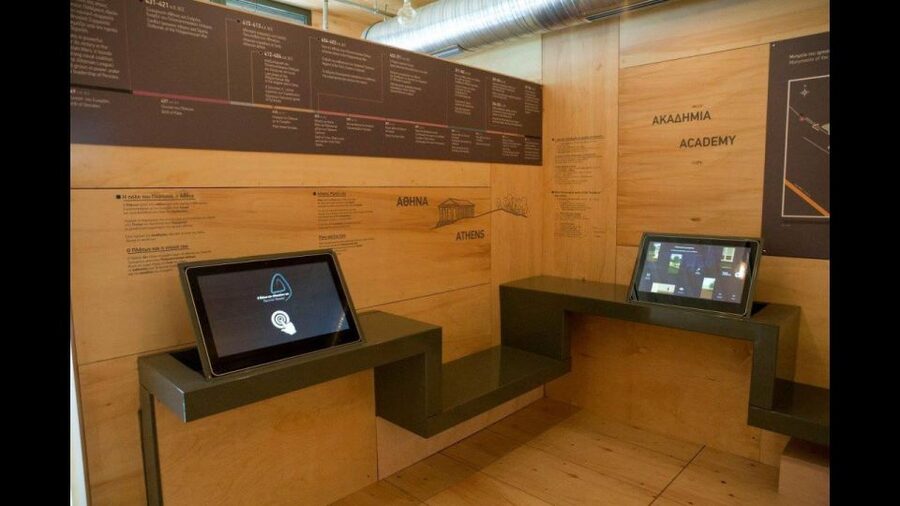
I love two things about this experience. First, it starts with a free visit to the Plato’s Academy Digital Museum (when it’s open), which gives you a simple, organized way to connect Plato’s life to what you see in the park. Second, the core of the workshop is interactive, with dialogues that feel practical, not academic, using Socrates-style questioning and guided discussion.
One consideration: the Digital Museum hours can change, and it sometimes closes without notice. If it’s shut when you arrive, you’ll still do the philosophy workshop in the park, but the opening museum step may be shorter or different than expected.
Key Things You Will Notice
- Small-group, highly interactive format designed for beginners, with lots of speaking and sharing
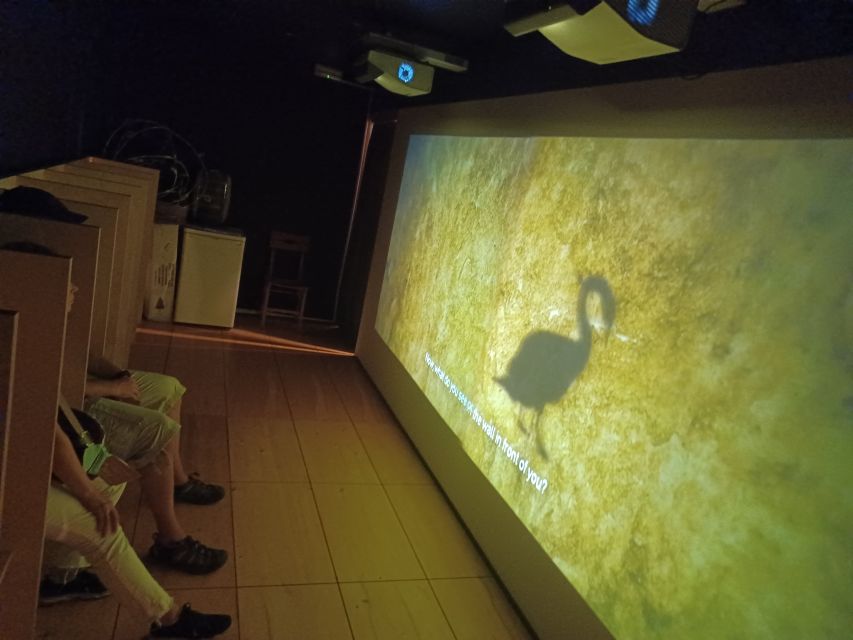
- Free access to Plato’s Academy Digital Museum if it is open and operational
- On-site walking through Plato’s Academy Park including the ancient Gymnasium ruins area
- Socrates-style maieutic questioning that helps you test ideas, not just repeat them
- Allegory of the Cave as a live discussion, connected to modern life
- A short debate game at the end using a contemporary case study
Where Plato’s Academy Turns Into a Live Classroom
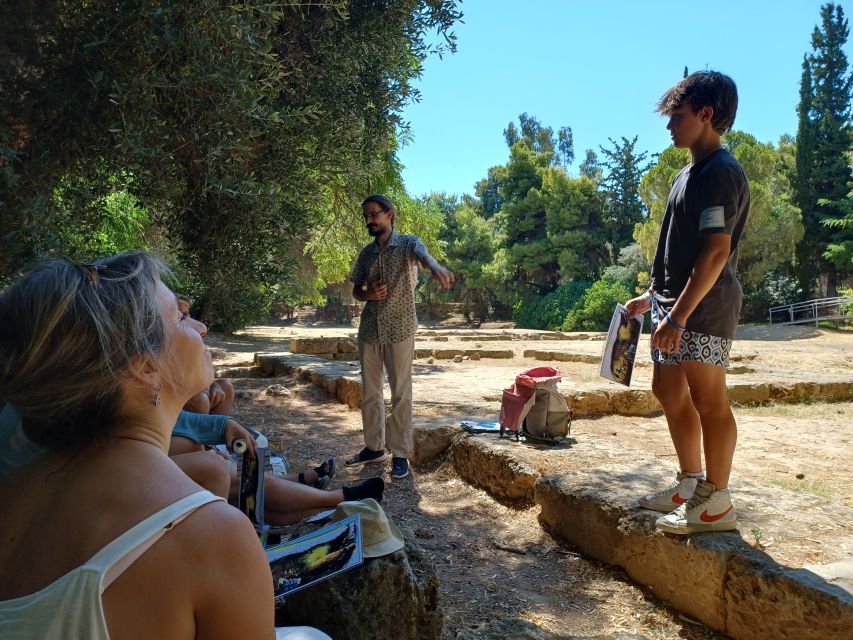
This is not a “stand here and listen” tour. It’s a philosophy experience built around doing. You’re at Plato’s Academy Park, in central Greece, at the location associated with the world’s first academy, so the lesson feels grounded in place. You’re not only learning what Plato thought, you’re trying on the mindset of a philosopher.
The workshop is pitched as beginner-friendly, in plain English. That matters, because philosophy can turn into big vocabulary fast. Here, the structure is meant to keep things clear, conversational, and usable. You’ll be guided to exchange beliefs, experiences, and views, not just to absorb facts.
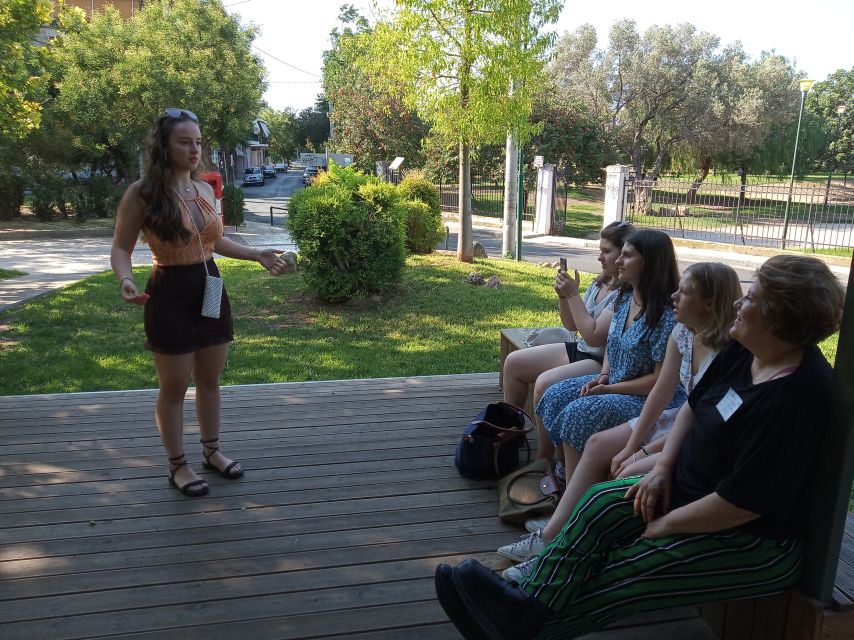
Also, the atmosphere tends to be upbeat rather than stiff. The format is designed for productive discussion and a joyful philosophical quest, so you should expect movement, back-and-forth talk, and short activities rather than a long monologue.
More of Athens worth an open tab:
- Athens: Acropolis & up to 5 Archaeological Sites Combo Pass
★ 4.4 · 12,619 reviews - Athens: Acropolis, Parthenon & Acropolis Museum Guided Tour
★ 4.8 · 9,316 reviews - Athens: Cape Sounion & Poseidon Temple Sunset Half-Day Trip
★ 4.8 · 8,241 reviews
Meeting at the Plato’s Digital Museum Entrance (And Getting Started Fast)
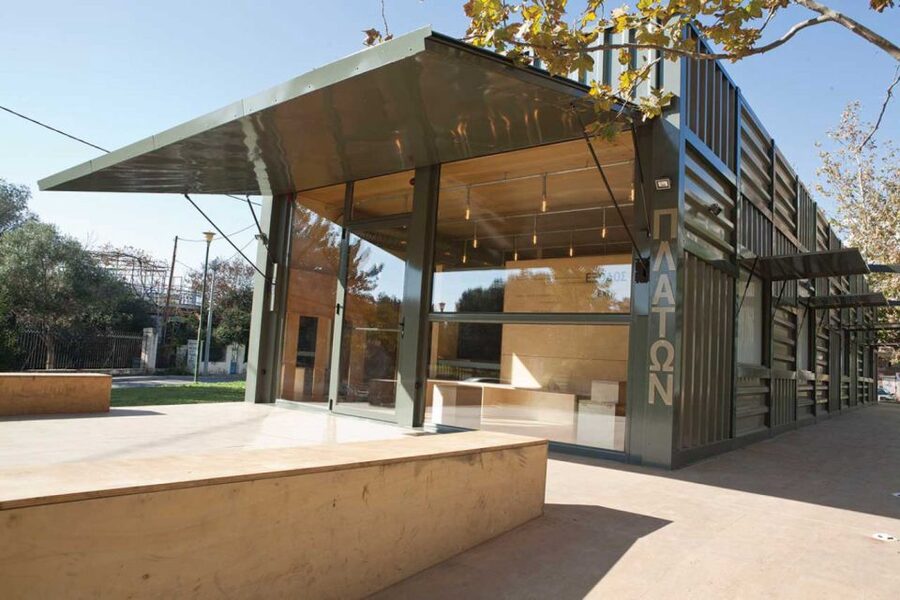
You meet at the start point outside Plato’s Digital Museum, at the entrance. The instructor is waiting with a Hellas Revival sign, so it’s pretty straightforward to find the group before you even begin.
From there, the first part of the experience is your “prep” phase. You enter the museum (free entrance, if it is open and operational) and you gather specific information about Plato’s life and works and about the academy itself. This is a smart design choice. Instead of dumping context verbally, the workshop gives you something to collect, then use later outdoors.
There are two practical realities to keep in mind. First, the Digital Museum schedule changes constantly, and it can be closed without an announcement. Second, because you’re at a historical site, you’ll need to follow on-the-ground rules around conduct, cleanliness, quietness, and respectful behavior, including photo and video expectations in public space.
What this means for you: arrive with flexible expectations for the museum step. If it’s open, you get a useful head start. If it’s not, the workshop still follows through with the philosophy discussion in the park.
The Walk Through Plato’s Academy Park and the Gymnasium Ruins
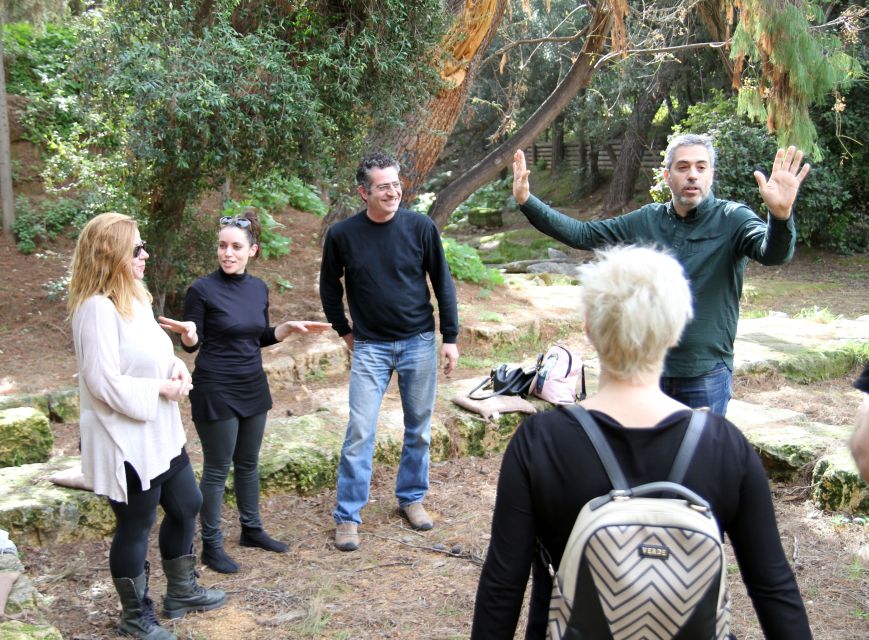
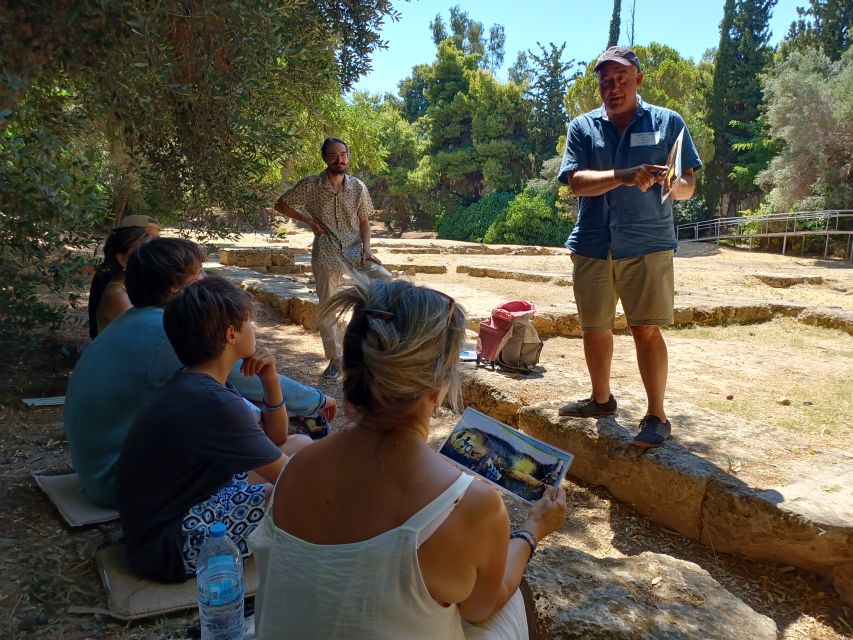
After the museum bit, you walk into the archaeological park of Plato’s Academy. The big goal is to get you physically onto the ground where the academy worked, so the ideas you’re discussing don’t float in abstract space.
You’ll find yourself at the ruins of the ancient Gymnasium area. The workshop is designed to help you link what you learned in the museum to what you see around you, even if you only see part of the site at close range. And there’s a real-world wrinkle here: archaeological excavation sometimes happens in the park. If excavation is underway, you may see the Gymnasium ruins from a short distance and then regroup at a different spot in the park.
That’s not a deal breaker, but it is a reason this works best if you’re okay with small adjustments. The instructor’s job is to keep the learning flow going, even when the site layout shifts a bit.
Allegory of the Cave, Turned Into a Conversation You Can Use
The main intellectual event is the workshop’s hands-on exploration of Plato’s Allegory of the Cave. Instead of treating it like a once-and-done story, the discussion is guided so you connect the allegory to how people think today.
Here’s what makes it effective. You don’t just hear an interpretation. You reveal what you gathered about Plato, you discuss what it was like to be a philosopher in ancient Athens, and then you move into dialogues that ask you to consider deeper meanings of the allegory. The workshop treats your own opinions as material, not as distractions.
You’ll likely talk in small cycles: a prompt gets you thinking, the instructor asks follow-up questions, and the group exchanges perspectives. This style matters because the Allegory of the Cave is really about perception, assumption, and how we decide what counts as reality. Those are questions you can’t fully answer alone.
The workshop also uses a “modern life case” approach at the end. That turns the allegory from a classroom concept into something you can apply when you make decisions, judge information, or question what you think you know.
Same corner of Greece, a different kind of day:
- Athens: Acropolis and Parthenon Guided Walking Tour
★ 4.6 · 5,882 reviews - All Day Cruise -3 Islands to Agistri,Moni, Aegina with lunch and drinks included
★ 5.0 · 4,958 reviews - Athens, Piraeus, and Coastline: Blue Hop-On Hop-Off Bus
★ 3.9 · 4,849 reviews - Greek Food Walking Tour in Athens
★ 5.0 · 4,740 reviews
Socrates’ Maieutic Art in Action, Not Just in Theory
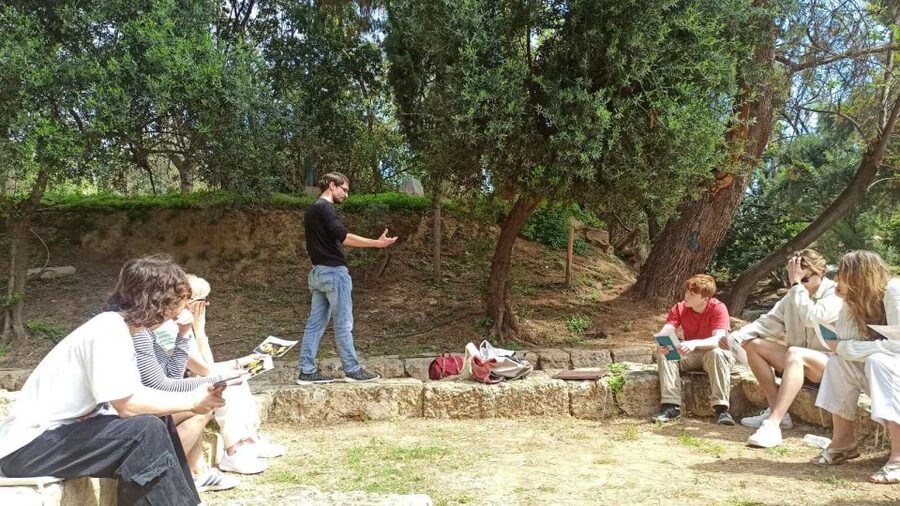
One of the standout parts is the instructor’s use of Socrates’ maieutic art, often described as a midwife approach to thinking. The practical point is simple: instead of giving you answers, the facilitator helps you draw them out, test them, and refine them.
You should expect the instructor to guide the group with Plato-style dialogue techniques, encouraging respectful exchange of beliefs, experiences, and views. This is why the workshop works for beginners. The questions are meant to be accessible in plain English, with no need for hard terminology.
It also tends to produce a specific kind of learning. When you’re answering out loud, you notice where your logic feels solid and where it feels shaky. That self-awareness is the whole point. You end the experience with ideas, yes, but also with a better sense of how your mind reaches conclusions.
One more note: this isn’t a debate club in the aggressive sense. It’s structured discussion, and part of your job is to stay constructive. If you come in hoping to “win,” you’ll miss the value. If you come in curious, it clicks.
The Endgame: A Short Debate Game on a Modern Case
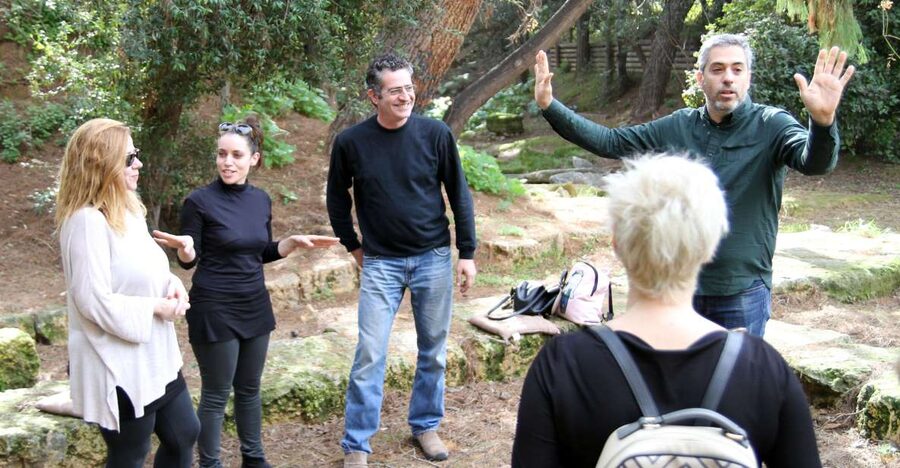
At the close, you join a short debate game based on a modern life case study. The prompt is connected to Plato’s idea of how a philosopher should act, so it’s not random. You’ll be asked to speak, respond, and think on your feet, using what you discussed earlier about perception, truth, and the role of a thinker in society.
This final game is where you’ll feel the workshop shift from reflection to application. The structure also helps if you’re unsure what “philosophy” means in daily life. It becomes a method for handling real situations, not a subject reserved for textbooks.
If you’re the type who likes activities with clear prompts, this ending is a strong payoff. If you’re someone who really dislikes public speaking, know that the workshop is interactive and designed for dialogue, so participation is part of the experience.
Price and Value: Why $90 Can Make Sense Here
At $90 per person for about 2 hours, this isn’t an impulse bargain. But it also isn’t priced like a massive bus tour. The value comes from three things that matter for learning.
First, the group experience is built around interaction, not just listening. That usually means more attention per person than a passive tour format.
Second, you get an organized connection between three layers: a brief museum context (when open), the outdoor site setting at Plato’s Academy Park, and guided dialogue focused on Allegory of the Cave.
Third, you receive materials and an expert facilitator. The workshop is educational, and it aims to build critical thought and self awareness through discussion practices.
So the price feels fair if you want a guided philosophy practice in a genuine historic location. If you’re only looking for a quick look at ruins without conversation, you might prefer a standard guided tour instead.
Who This Workshop Is Best For
This works especially well if you fit one of these profiles:
- You’re a philosophy beginner who wants clarity in plain English, with structure and prompts
- You enjoy discussion and don’t mind speaking briefly in a group
- You want Athens that goes beyond the usual “photos and facts” format
- You like linking ideas to the real environment, not just reading about it
It may be a weaker match if you prefer quiet, self-paced activities. Also consider that the site rules require respectful conduct, including dress-code expectations, cleanliness, soberness, and photo/video etiquette. The facilitator can terminate participation without refund if conduct is not respectful.
Practical Tips for Comfortable Footing and Clear Focus
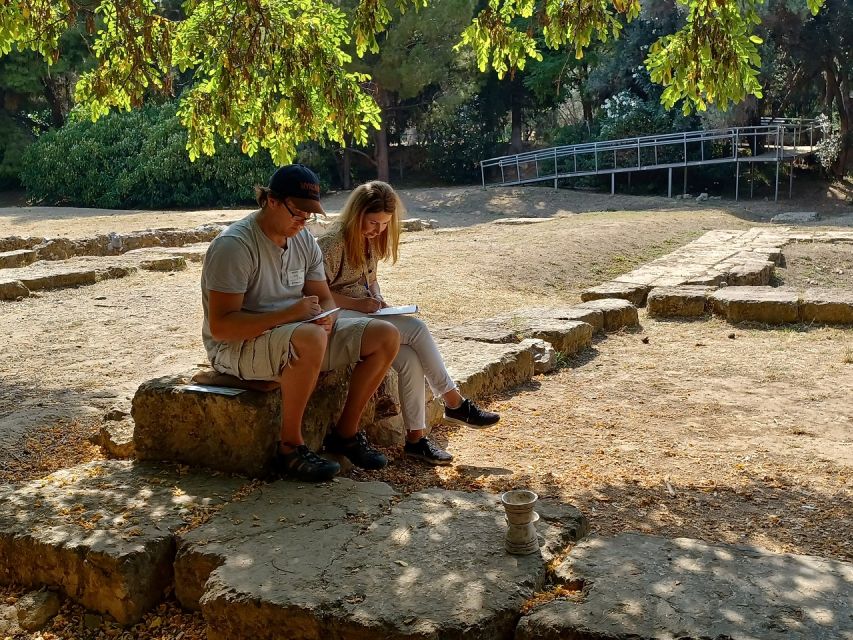
Because this happens in an archaeological park, do not treat it like a sitting-in-a-classroom experience. You’ll walk through the site and stand where it’s appropriate for discussion. Bring what you need to stay comfortable.
I strongly recommend:
- Comfortable shoes for uneven surfaces
- Water to handle Athens heat and walking
- A sun hat even if the day looks mild
- Comfortable clothes that let you move and also fit historical-site expectations
Also, remember the photo and video reality. Attending a public-space workshop means you consent to photo and video shooting, including possible future publication of that material. If you want to withdraw consent, you need to do that in writing before the workshop.
Finally, keep your expectations flexible about the Digital Museum opening. The workshop is designed to adjust, but it’s still useful to plan mentally for that first museum step to be shorter if it’s closed.
Should You Book This Plato’s Academy Philosophy Experience?
Book it if you want a hands-on Athens experience that mixes Plato’s Academy Park with dialogue, questioning, and a practical look at Allegory of the Cave. The small-group interaction, beginner-friendly approach, and Socratic maieutic style are the core reasons this feels worth your time.
Skip or reconsider if you want a purely passive tour, hate speaking in group settings, or you’re planning tightly around the museum being open. The location and theme are strong, but the opening Digital Museum step depends on its operational status.
If you can be flexible and you like talking through big ideas, this is a memorable way to spend two hours in Athens, grounded in the actual place where those ideas started.
FAQ
Where does the workshop start?
You meet outside Plato’s Digital Museum at the entrance, where the instructor waits holding a Hellas Revival sign.
How long is the experience?
It lasts about 2 hours.
Is it beginner-friendly if I know nothing about philosophy?
Yes. It’s a basic philosophy workshop suitable for people without previous knowledge, explained in plain English with no difficult terminology.
Do I get to visit Plato’s Academy Digital Museum?
Yes, the workshop begins with a visit to the Plato’s Academy Digital Museum, and the entrance is free if it is open and operational.
What happens if the Digital Museum is closed?
The Digital Museum schedule can change and it can close without announcement. In that case, the opening museum step may not be available as planned, but the workshop continues in the park.
What do we do inside Plato’s Academy Park?
You walk through the archaeological park, including the ruins of the ancient Gymnasium area, and then you take part in dialogues exploring Allegory of the Cave.
What language is the workshop taught in?
The instructor provides the workshop in English.
Is the experience wheelchair accessible?
Yes, it is wheelchair accessible.
Do I need to speak or participate in activities?
Yes. The workshop includes dialogues and ends with a short debate game based on a modern life case study.
What should I bring?
Bring comfortable shoes, a sun hat, water, and comfortable clothes.
Fresh options around Athens
- 3-Day Trip to Delphi and Meteora from Athens★ 4.0 · 53 reviews
- 3-Day Tour: Mycenae, Epidaurus, Nafplio, Delphi, Meteora With 4* Hotel Included★ 5.0 · 6 reviews
- 2 or 3-Day Private Tour: Ancient Olympia, Corinth, Mycenae, Epidaurus, Nafplion★ 5.0 · 11 reviews
- 4-Day Classical Tour Greece: Epidaurus, Mycenae, Olympia, Delphi, Meteora★ 4.5 · 4 reviews
- Hydra Island & Mythical Full Peloponnese Private 9-Day Tour★ 5.0 · 3 reviews
- 27 Day Grand Circle Tour of Mainland & Corfu, Mykonos, Santorini★ 5.0 · 4 reviews
- 20-Minutes Natural Pedicure with Exotic Fish★ 5.0 · 17 reviews
- 2 Day Delphi, Meteora Iconic Sites Private Tour With 4* Hotel Included★ 5.0 · 3 reviews