
Reviewed · METEORA TOURS FROM ATHENS
Athens: Meteora Monasteries, Caves & Coastal Stopovers with Lunch
Meteora is one of those places that looks almost staged until you’re actually there, standing in front of monasteries built on giant rock pillars. It’s UNESCO World Heritage, shaped by Greek Orthodox monks who intentionally chose hard-to-reach spots for prayer and solitude. I love the fact that this tour gets you into three active monasteries with a guide, so you’re not just collecting selfies from the road.
I also like the built-in rhythm of coastal stopovers. You get a calm seaside break in Kamena Vourla for optional brunch, then the village of Kastraki for lunch and a reset before the rock-top sites. The coach is air-conditioned with free Wi-Fi and USB chargers, and the group stays capped at 35.
The main thing to consider is that it’s a long, step-heavy day. You’ll climb in places (no elevators), and you should come prepared with cash for monastery entrances since there’s no ATM nearby.
Key things to know before you go
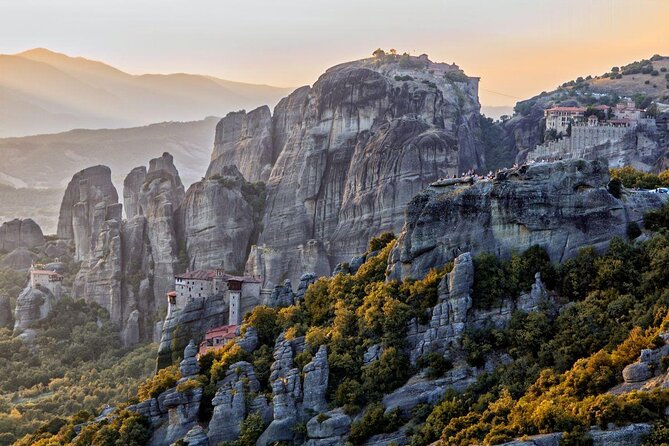
- Three monastery interiors with a guide so you get context, not just views
- Badovas hermit caves photo stop for that quieter, “what life was like up here” feeling
- Kamena Vourla and Kastraki breaks that actually help you survive the drive
- Bring cash for monastery entrances (about €5 per monastery) since there’s no ATM on site
- Modest dress code and lots of stairs (especially if you aim for the harder viewpoints)
- Max 35 people, English guide plus optional audio guide languages
Why Meteora feels different from every other Greek site
Most Greek ruins sit on the ground, where you can roam at your pace. Meteora is the opposite, a spiritual skyline made of monasteries perched on vertical rock. The churches are still active, and you can feel that the place is built for reverence and routine, not for tourist traffic.
What I like about this format is that it doesn’t just point you at the view. It gives you just enough history to understand why these buildings were “suspended in the air,” as the locals describe Meteoro. Once you know the logic, you look at every cliff and stairway with new respect.
More Meteora trips from Athens:
- Athens: Meteora Monasteries Day Trip with Caves and Lunch
★ 4.7 · 2,964 reviews - Athens: Meteora Monasteries Day Tour with Lunch
★ 4.8 · 2,196 reviews - Athens: Meteora Tour with Local Guide and Greek Lunch
★ 4.8 · 1,561 reviews
Athens to Kalambaka by coach: the comfort trade-off
You start at Larissis Railway Station in Athens at 8:00 am. The long drive is part of the deal, about 4 hours each way on average, but the coach helps you handle it with air-conditioning, free Wi-Fi, and USB chargers.
For me, the value here is simple: a door-to-me-door plan that handles transport while you focus on the experience. You do not need to map buses, coordinate timing, or worry about where the group is when roads get busy.
One practical consideration: the day can run later than expected if there are road disruptions. I’ve seen this show up in real schedules, and it can affect how much time you get at every stop. The good news is that the operator typically adapts on the fly to protect the core Meteora time.
Kamena Vourla coastal stop: what that 30 minutes is really for
The first meaningful break happens in Kamena Vourla, a seaside town where mountains and sea show up in the same frame. You get about 30 minutes for an optional seaside brunch.
This stop matters because it breaks the monotony of the drive. If you want food, the tour includes a way to pre-order via an onboard app, which helps you avoid awkward last-minute searching. Even if you skip the meal, you can stretch your legs and get some sea air.
Kastraki lunch reset: where you catch your breath
After arriving around the Kalabaka area, the tour pauses in Kastraki for lunch and restroom time. You get about 40 minutes, which is just enough to eat without losing the whole day to a long sit-down.
Lunch is included if you choose the Day Trip + Lunch option, and it offers vegetarian choices. The menu is built around Greek comfort food, with options like moussaka, pastitsio, soutzoukakia (meatballs in red sauce), plus vegetarian dishes such as Greek salad and spinach-feta pie. Vegan options can include stuffed peppers and tomatoes with risotto (gemista), plus roasted vegetable dishes and baked gigante beans. Bread and water are included with the meal.
If you prefer to order differently, you can also choose from an on-site selection and pay directly there. That flexibility is handy if you have dietary needs that go beyond what’s listed.
A few more Athens days worth comparing
- All Day Cruise -3 Islands to Agistri,Moni, Aegina with lunch and drinks included
★ 5.0 · 4,958 reviews - From Athens: Hydra, Poros, and Aegina Day Cruise with Lunch
★ 4.1 · 4,305 reviews - Athens cruise: Agistri, Moni/Metopi, Aegina with lunch & drinks
★ 5.0 · 1,783 reviews - Athens: Delphi Guided Trip with Optional Lunch and Entry
★ 4.7 · 1,553 reviews
Varlaam Monastery: one of the biggest, with strong historical cues
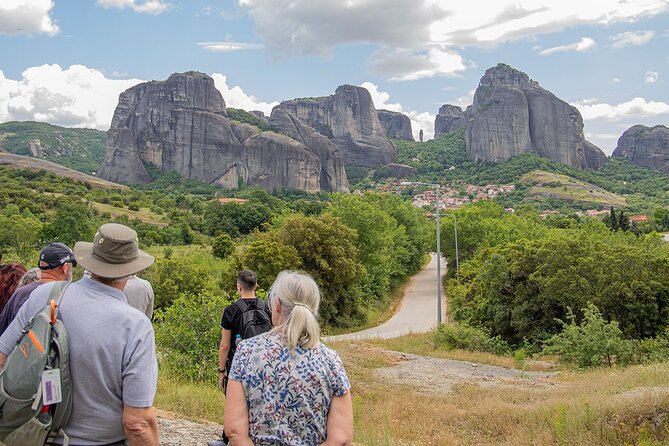
Once you hit Meteora, you start with Varlaam, often described as the second biggest monastery. Plan on roughly 45 minutes inside the monastery you enter, with entrance fees paid on the spot (cash is the key).
This site gives you a good “anchor” in Meteora’s timeline. Varlaam was founded in the mid-14th century by Hosios Varlaam, and the catholicon was built later in honor of Agioi Pantes. You’ll also hear about wall paintings and the artists and patrons involved, which helps you spot what’s more than just pretty icon scenes.
Practical tip: go in with modest expectations for pace. The beauty is in the details, but you won’t have hours. If you want extra time for photos, you’ll need to choose your angles and accept that you can’t photograph every corner.
The Great Meteoro Monastery: the “suspended in the air” centerpiece
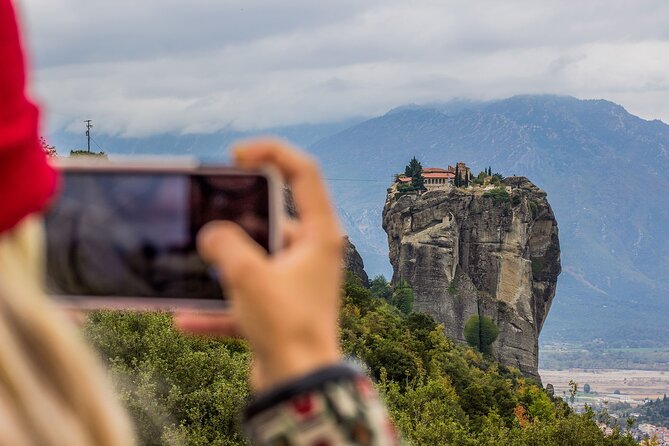
The Great Meteoro Monastery is the oldest and biggest of the group. It’s also the one people point to first, because its rock position feels like the whole valley is built around it.
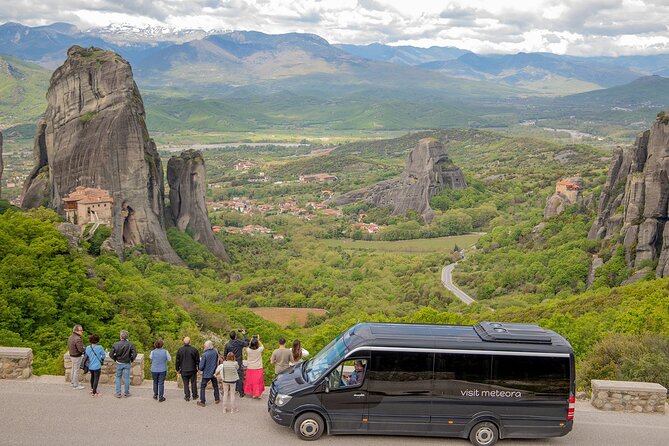
In this tour format, you visit three monasteries inside, and you see the other sites from outside on van viewpoints. That means you’ll get a clear sense of the area’s layout, not just one monastery bubble.
The history lesson here is important. Meteora’s power came from location and access. High walls weren’t just dramatic. They were protection, discipline, and a way to keep focus on monastic life.
Badovas hermit caves: when the cliff story gets quieter
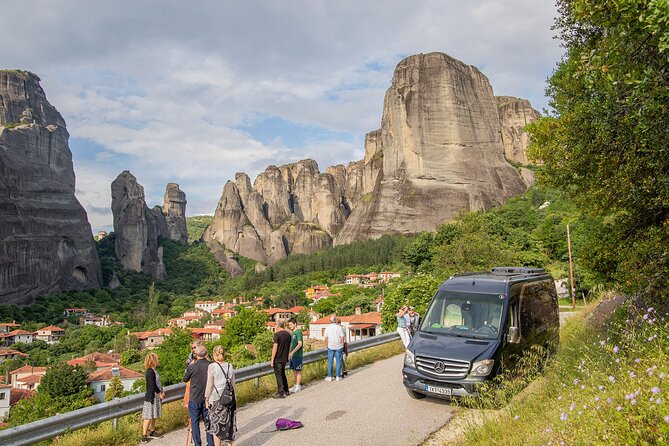
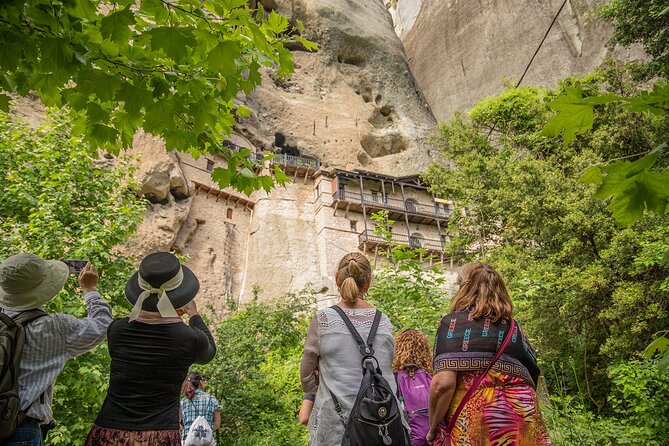
Between monastery visits, you’ll have time at Badovas hermit caves. This is one of the most distinctive parts of the day, because caves do not get the same attention as monasteries.
You get about 25 minutes, mostly for exploration and photos. Even if you do not have a lot of imagination, the remnants of old dwellings make the stories feel real. Hermits and monks used these remote spots for solitude and devotion, and you can see why they chose places that required commitment just to reach.
If you want the most memorable photos, aim to step slightly away from the main crowd and get your camera level with the cave openings. The rock textures look best when you don’t overdo the wide-angle distortion.
Agios Stefanos: easiest access to a real monastery experience
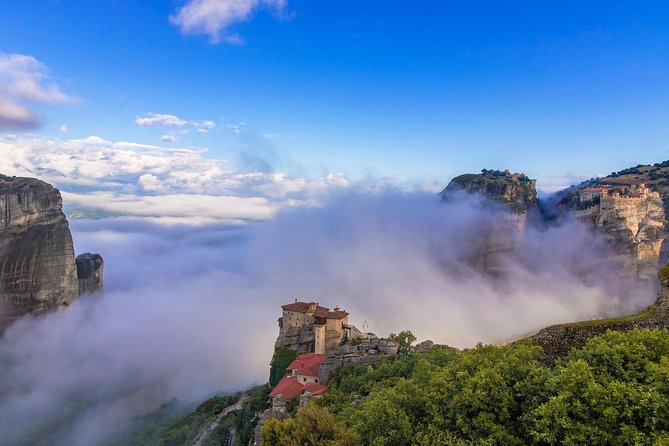
Agios Stefanos is the monastery that’s more accessible than many of the cliff-top entrances. Instead of climbing lots of steps, you cross a small bridge to get inside.
You’ll have about 30 minutes here in the time window, with entrance fees not included. This is a good choice if you want the full monastery vibe, but you’re worried about stairs. The history is also rich, with monastic life dating back to the early 12th century and later rebuilding work tied to the 15th and 16th centuries.
Inside, the monastery includes two cathedrals. You’ll hear about an older chapel damaged during WWII and the Greek Civil War, plus the later main cathedral dedicated to Saint Charalambos with relics. That combination of art, survival, and reconstruction is what makes Meteora more than scenery.
The outside-view stops you should still pay attention to
Not every monastery is entered on this day. You’ll pass additional monastery sites from viewpoints, which is why the tour can fit a lot in one long day.
Here are the quick stops and what to notice:
- Agios Nikolaos Anapaphsas: encountered first on the way to the main sites, founded at the end of the 14th century
- Kalambaka panoramic view: a brief pause to take in the town and the broader valley area
- Roussanou Monastery: lower elevation, which historically made it more accessible. It suffered severe damage in WWII and later became a convent in 1988
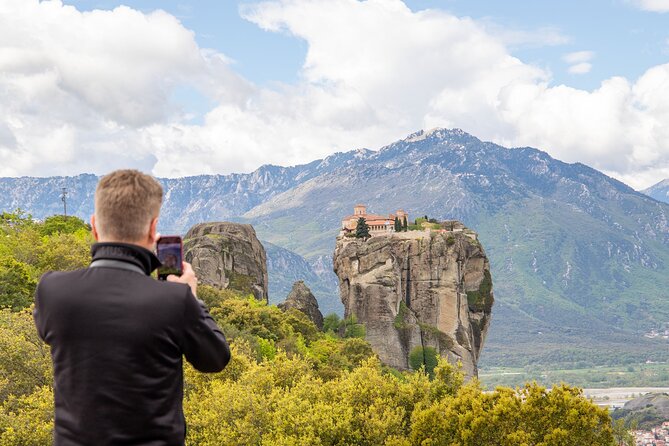
- Holy Trinity Monastery (Agia Triada): the tough one, accessed via a pathway and a climb of about 140 steps, where the top views can feel worth the effort
Even when you cannot go inside, these exterior moments matter. They help you understand how the monasteries were planned like a network across the rocks, not scattered randomly.
Stairs, dress code, and the cash reality
Meteora is not an easy site for mobility, even though some monasteries are easier than others. There are no elevators, and you should assume that climbing steps is part of the experience.
The dress code is enforced for monastery visits. For women, you’ll need skirts below the knee or longer. Pants, shorts, or sleeveless shirts are not allowed. For men, sleeveless clothing and shorts above the knee are also prohibited. If you forget, you might be able to work around it, but it’s not worth gambling.
Then there’s the cash issue. You need euros for monastery entrances, about €5 per entrance, and there is no ATM in the area. Bring what you need early, and keep it somewhere easy to grab.
Guides and small-group pacing: why the day works
A big part of why this tour gets strong ratings is the human part. You’re traveling with an English-speaking tour leader, and the experience typically benefits from guide personalities that make history feel usable.
I’ve seen names like Maria, Demetri, Tillos, and Apostolis come up often. That does not mean you’ll get one of them every time, but it hints at the kind of people the tour tries to staff for this route.
What also helps: the tour caps at 35 travelers, which keeps the bus crowd manageable and makes it easier to regroup at stops. And the pacing is structured, with timed breaks that prevent the day from collapsing into one long blur.
Food, water, and what you should pack
You’ll get bottled water, offered during the tour at the monasteries. It’s not stated as being provided on the coach, so I treat this as a “supplement,” not my full water plan.
Food is handled in a few ways:
- Lunch in Kastraki can be included if you pick the lunch option
- A seaside brunch in Kamena Vourla is optional
- A sunset dinner in Kamena Vourla is optional on the return
Based on the day’s structure, I pack for variation. Bring layers, because mountain weather can change quickly. If you’re sensitive to motion, you may want to have your usual remedy ready, since the drive is long and the ride is a full day commitment.
The value question: is it worth $88.28 for a 14-hour day?
For $88.28 per person, you’re paying for more than entry tickets. You’re buying the coach, the planning, and the “we handle it” experience that gets you from Athens to Meteora with organized stops.
The best value parts are:
- Transport with Wi-Fi and USB chargers
- Three interior monastery visits with a guide
- Hermit caves access (a distinctive Meteora add-on)
- Meaningful breaks in Kamena Vourla and Kastraki, plus lunch if you choose the lunch rate
The main “cost catch” is that monastery entrance fees are separate (cash needed). When you factor that in, this still tends to work out well for people who want a guided Meteora day without building their own logistics.
If you’re the type who dislikes long buses or struggles with steps, you may find better value in splitting Meteora across two days or choosing an overnight upgrade option offered by the company.
Should you book this Meteora day trip from Athens?
Book this tour if you want:
- A guided Meteora day that covers monasteries and Badovas hermit caves
- A clear schedule with breaks built in, so you can enjoy the views instead of managing transport
- A small-group feel, with an English guide and audio support options
Consider skipping or upgrading if you:
- Need to avoid lots of stairs and cliff-top walking. Agios Stefanos is easier than some, but the overall experience still includes step-heavy areas
- Hate long travel days. Even when things go smoothly, you are signing up for a full day
- Get bothered by bus comfort issues. The ride is functional, not luxury, and some days can feel crowded
If you’re ready for a big day, this is a very solid way to see Meteora from Athens with less stress and more meaning.
FAQ
How long is the Meteora tour from Athens?
It runs about 14 hours, starting at 8:00 am and ending back at the meeting point late in the evening.
What is included in the price?
The tour includes air-conditioned transport with free Wi-Fi and USB chargers, a local English-speaking tour leader, bottled water, interior visits to 3 monasteries, and a visit to the Badovas hermit caves. Lunch is included only with the Day Trip + Lunch rate, and audio guide support is included.
Do I need to pay monastery entrance fees?
Yes. Entrance fees for the Meteora monasteries you visit are not included, and you should have cash. The listed entrance fee is €5 per person.
Is lunch included?
Lunch in Kastraki is included if you choose the Day Trip + Lunch option. The tour also mentions an optional seaside brunch and an optional sunset dinner.
Where does the tour start and what time?
You meet at Larissis Railway Station in Athens at 8:00 am. The tour ends back at the meeting point.
Is the tour guide in English?
Yes, the tour is guided in English only. There is also a free SMART audio guide available in multiple other languages.
Is there a dress code for monastery visits?
Yes. You’ll need modest clothing. For women, skirts below the knee or longer are required. Pants, shorts, and sleeveless shirts are not allowed. For men, sleeveless clothing and shorts above the knee are also prohibited.
Will the tour run in bad weather?
The tour runs rain or shine. If it is canceled due to poor weather, you will be offered a different date or a full refund.
Is there ATM access near Meteora?
No. The tour advises you to bring euros because there is no ATM machine in the area.
Is this tour suitable if I have mobility concerns?
Some monasteries are more accessible than others, but there are no elevators and you should expect stairs. Holy Trinity Monastery involves about 140 steps, so mobility needs to be planned carefully.
Fresh options around Athens
- 3-Day Trip to Delphi and Meteora from Athens★ 4.0 · 53 reviews
- 3-Day Tour: Mycenae, Epidaurus, Nafplio, Delphi, Meteora With 4* Hotel Included★ 5.0 · 6 reviews
- 2 or 3-Day Private Tour: Ancient Olympia, Corinth, Mycenae, Epidaurus, Nafplion★ 5.0 · 11 reviews
- 4-Day Classical Tour Greece: Epidaurus, Mycenae, Olympia, Delphi, Meteora★ 4.5 · 4 reviews
- Hydra Island & Mythical Full Peloponnese Private 9-Day Tour★ 5.0 · 3 reviews
- 27 Day Grand Circle Tour of Mainland & Corfu, Mykonos, Santorini★ 5.0 · 4 reviews
- 20-Minutes Natural Pedicure with Exotic Fish★ 5.0 · 17 reviews
- 2 Day Delphi, Meteora Iconic Sites Private Tour With 4* Hotel Included★ 5.0 · 3 reviews
Meteora Tours from Athens, compared.
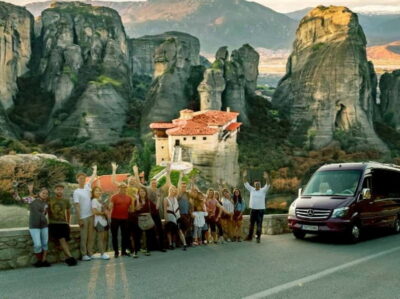
Meteora Monasteries Day Trip with Caves and Lunch
Read our review →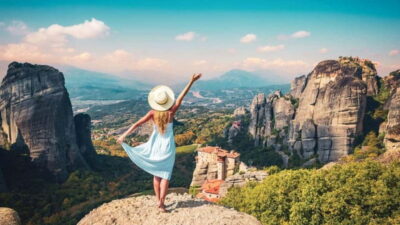

Meteora Tour with Local Guide and Greek Lunch
Read our review →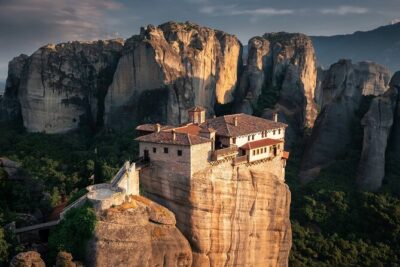
Meteora Monasteries & Caves DayTrip from Athens with Greek Lunch
Read our review →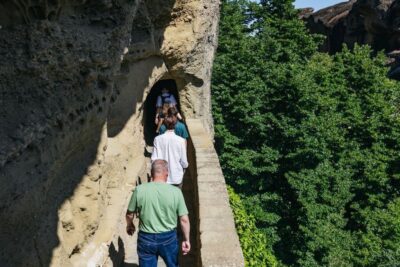
4-Day Classical Greece Tour: Epidaurus, Mycenae, Olympia, Delphi, Meteora
Read our review →
Meteora Monasteries, Hermit Caves Tour with Pickup
Read our review →
Meteora Sunset with Monastery & Hermit Caves Tour in Small Group
Read our review →Browse the lists this tour appears in