
Reviewed · SCUBA DIVING
Discover Small Group Scuba Diving Experience in Nea Makri, Athens
What makes this small-group scuba start near Athens interesting is the setup: you learn close to shore, with tight numbers, so you are not rushed. It is based out of Nea Makri and runs about half a day, which makes it a very doable add-on to an Athens trip.
I like the hands-on coaching and I like that you leave with photos or videos of the experience. That combination matters when you are a first timer and you want both safety and something to remember.
One consideration: sea conditions can change the plan. One participant noted they had to switch where they practiced because of big waves, so build in patience and expect that the team will adapt.
Key highlights worth caring about
- Max 4 people keeps instruction personal and slows the pace in the best way.
- Equipment plus training provided means you show up ready to learn, not to hunt gear.
- Shallow water practice helps you get comfortable before you go deeper.
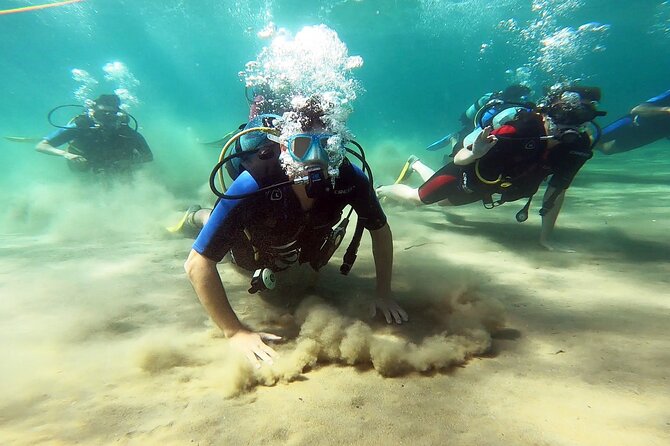
- A controlled first underwater look happens at about 5 to 6 meters for 30 to 40 minutes.
- Photos or videos after are a real perk when you are busy learning and you miss details.
Nea Makri intro scuba with max 4 people: the value of small coaching
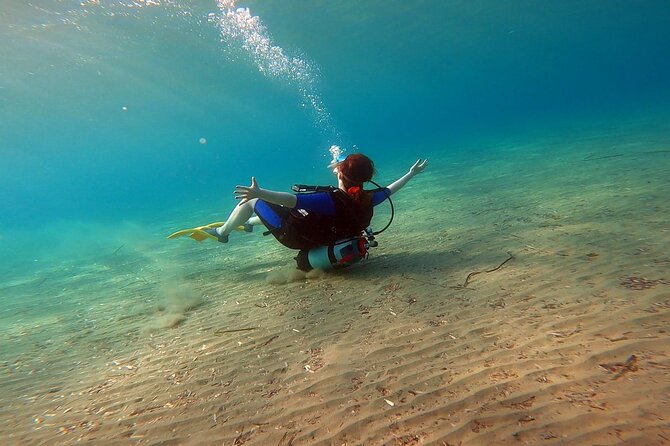
If you are looking at Athens and thinking, I want the ocean experience but I do not want a big chaotic tour, this fits that idea. You get an intro scuba program run with a maximum of four participants, so you get more attention while you learn breathing, buoyancy basics, and safety rules.
At $108.61 per person for about four hours, it is not a throwaway activity. The value comes from what is included: all the training time, the equipment, the guided practice in calm shallows, and then a first underwater session around 5 to 6 meters. Add in the photos or videos afterwards and you have an activity that feels complete, not just a quick try-and-go.
I also like the location logic. Nea Makri is just outside Athens, so you avoid the full-day grind that sometimes comes with coastal tours. And because the day is short, it is easier to pair with a beach afternoon, a seaside dinner, or a city day the same week.
The biggest reason this works for first timers is how it is paced. You start with basics, then you practice in shallow water where you can build confidence fast, then you go to the planned depth once you are comfortable. That structure is exactly what you want when you are learning to control your breathing and body position underwater.
A few more Athens days worth comparing
- Athens East Coast: Discover Scuba Diving in Nea Makri
★ 4.9 · 124 reviews - Anavyssos Athens Riviera: Beginners’ Guided Try Scuba Diving
★ 5.0 · 72 reviews - Athens: Private Discover Scuba Diving for Beginners
★ 4.9 · 25 reviews
Meet at Frinis 20 in Nea Makri, then get your bearings fast
Your start point is Kanelakis Diving Experiences on Frinis 20, Nea Makri 190 05, Greece. The activity ends back at the same meeting point, which simplifies your day planning.
This matters more than people think. When you are learning anything physical and safety-focused, you do not want extra complexity before you even get in the water. One participant also mentioned help getting to their bus stop afterward, which signals they think about the practical end of the day, not just the underwater part.
The tour is offered in English, and it is limited to a small group (up to four). Most people can participate, but you still need basic swimming skills, and children must be accompanied by an adult. If you are traveling with family, this small-group style is usually less stressful than a larger class where kids have to wait longer between steps.
Plan to arrive ready. Bring your swimwear and towel if you have them. Even though gear is provided, you still need to be prepared for the change from land to sea and back again.
Your instruction starts on land: gear, breathing, and safety made calm
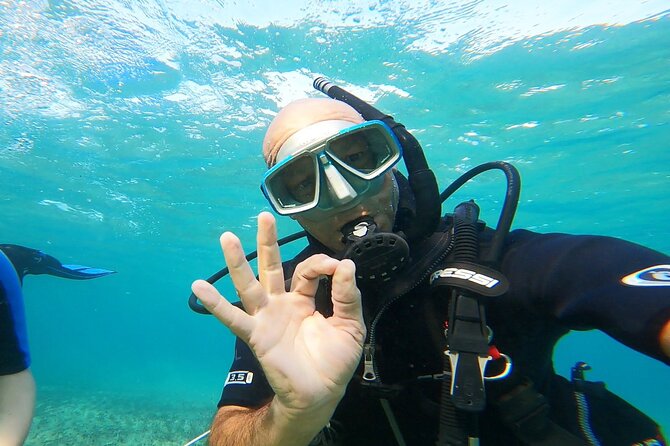
The day begins with an introduction and theory session at the dive center. You learn the scuba gear basics, how breathing works under water, and the essential safety measures. This part is the foundation for everything you will do later in shallow water.
From the feedback, the biggest strength here is patience. Multiple people singled out the instructor team, especially Dimitri and Maria, for explaining steps clearly and taking time with beginners. One participant noted the equipment can feel heavy at first, but the instructor helped them get it on and off with ease. That is a big deal in a first experience, because if you are struggling with the gear on land, it can affect how comfortable you feel once you are in the water.
I also like that the program is designed for comfort and enjoyment, not just check-the-box certification. If you are anxious, you usually calm down when you understand what is happening next. The instructors focus on the steps, and you practice them with guidance, rather than getting pushed into an underwater scenario before you feel ready.
One thing to watch for: you will be asked to complete a health questionnaire before you get in the water. If you have any pre-existing medical conditions (like asthma or heart conditions), diving may not be possible. This is not a minor formality, so take it seriously and talk to your doctor if you are unsure.
Shinias Beach shallow-water practice: the confidence-building stage
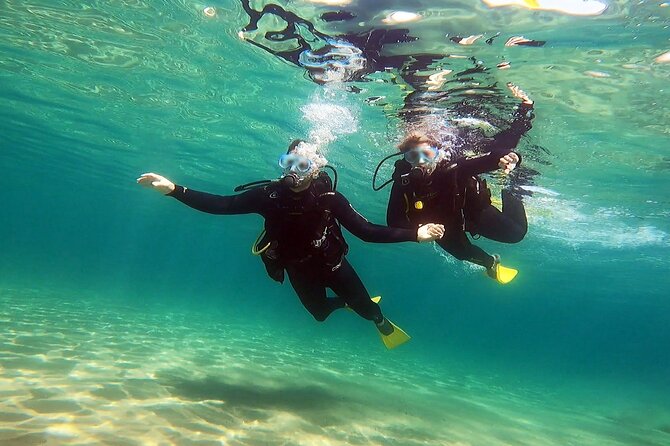
After the classroom setup, you move to the coast for practice in calm, shallow water. The plan includes training time where you can learn how it feels to breathe through scuba gear, how to stay controlled, and how to follow instructions while floating close to the surface.
The first coastal stop is Schinias Beach. In one real-life experience, a participant said there were big waves at the first area, so the team adjusted and they ended up practicing elsewhere. The lesson for you: be ready for an adjustment based on sea conditions. That is normal in coastal activities, and the team’s job is to keep the experience safe and manageable.
Why this shallow stage is worth it: it gives you a chance to get your bearings without committing to deeper water immediately. You learn the basics while you can still feel grounded, move slowly, and stay relaxed. You are not trying to impress anyone with skill, you are learning a system.
The shallow practice is also where your instructor can catch small issues early, like how you are holding equipment, how you are breathing, or how you are responding to cues. For most first timers, that is the difference between feeling overwhelmed and feeling confident by the time you go deeper.
Same corner of Greece, a different kind of day:
- Athens: Acropolis & up to 5 Archaeological Sites Combo Pass
★ 4.4 · 12,619 reviews - Athens: Acropolis, Parthenon & Acropolis Museum Guided Tour
★ 4.8 · 9,316 reviews - Athens: Cape Sounion & Poseidon Temple Sunset Half-Day Trip
★ 4.8 · 8,241 reviews - Athens: Acropolis and Parthenon Guided Walking Tour
★ 4.6 · 5,882 reviews
Your first underwater session: 30 to 40 minutes at 5 to 6 meters
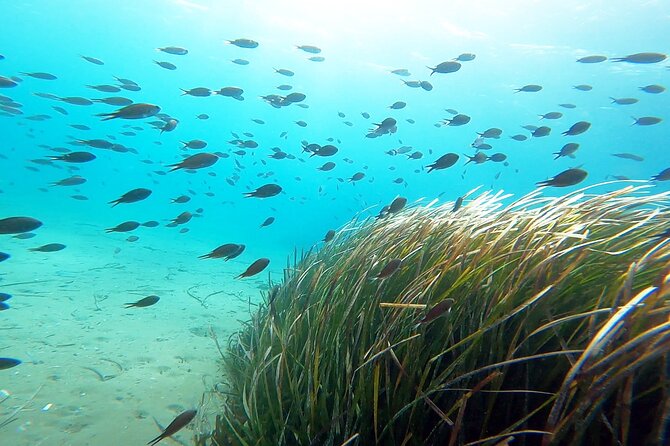
Once you feel ready, you go into the underwater part of the program. The schedule calls for a 30 to 40 minute underwater session with a descent to about 5 to 6 meters to explore the seabed.
That depth is a smart choice for beginners. It is deep enough to feel like you are truly underwater and see marine life in the right zone, but shallow enough that instructors can keep everything controlled. You are learning to manage breathing and comfort, not racing to the horizon.
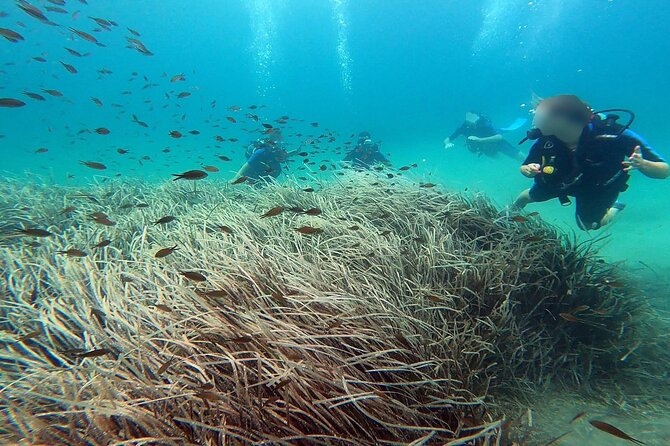
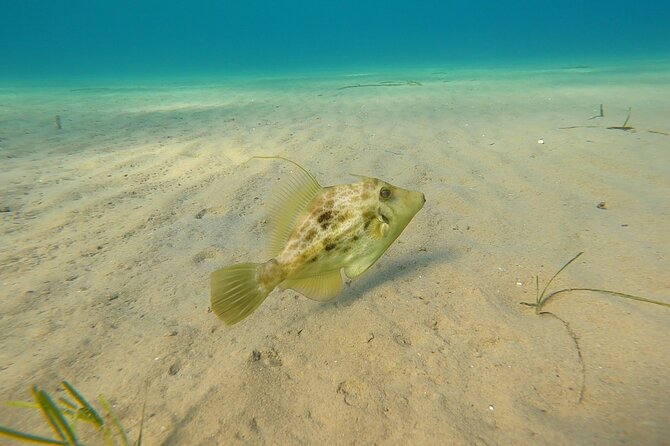
The most common theme from feedback is how enjoyable the marine life sightings are even for first-time participants. People reported seeing Mediterranean sea animals such as anemones, nudibranchs, and sponges. Those creatures can be small and easy to miss if you are focused on your own buoyancy, so I think the guiding aspect matters. If your instructor points things out, you get more than just a technical experience.
One more practical point: since your time underwater is limited (30 to 40 minutes), it is normal to feel like it goes fast. Your goal should not be to memorize everything you see, it should be to relax, follow instructions, and notice what you can. And yes, photos or videos afterward help you remember the moment even if you were busy concentrating in the water.
Equipment and added touches: what to bring, what you get, and why it matters
You get all necessary equipment and training, which is one of the most practical reasons this tour works well. For an intro course, gear is often the hardest part. If you were renting on your own, you might spend the day figuring out what fits, what setup means, and how it all works. Here, you are coached through it.
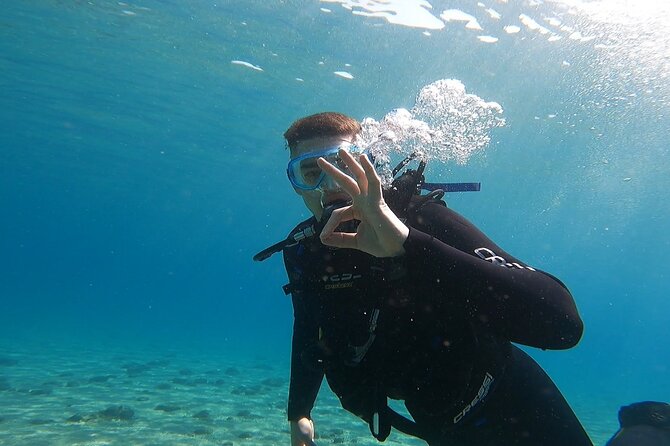
You also get photos or videos after the experience. That is valuable because first timers often miss details while learning. With a quick recap in visuals, you can actually process what you did and what you saw.
What you should bring is simple: swimwear and your own towels are recommended. The program also works for people using basic public transport, because it is near public transportation. Service animals are allowed, which is useful to know if you travel with a companion animal.
One small but meaningful thing: guidance on comfort and safety seems to be a priority. Multiple people highlighted the instructor team as professional and patient. That shows up in the way instructions are delivered and in the calm tone you need when you are learning something new underwater.
Health and planning notes: flying timing, questionnaires, and age limits
Before you book, read the safety-related rules carefully. Some of them are there because pressure changes and medical factors can affect whether scuba is safe for you.
Key points you should not skip:
- You will need to complete a health questionnaire before diving.
- Diving within 12 hours of flying is not recommended.
- Some pre-existing medical conditions (for example asthma or heart conditions) may prevent you from diving, so check with your doctor if you are unsure.
- Minimum age is 8, and children must be accompanied by an adult.
- Basic swimming skills are required.
I recommend you treat this like any safety training. If you are on the edge physically, you want to know before the day starts. The best-case scenario is that everything is fine and you get to enjoy the experience. The worst-case scenario is you feel pressured to proceed when it may not be safe.
Also, the activity requires good weather. If it is canceled due to poor weather, you will be offered a different date or a full refund. That is typical for coastal water activities and something to factor into your schedule, especially if you are visiting in a season with variable conditions.
Who this is best for, and who might want a different option
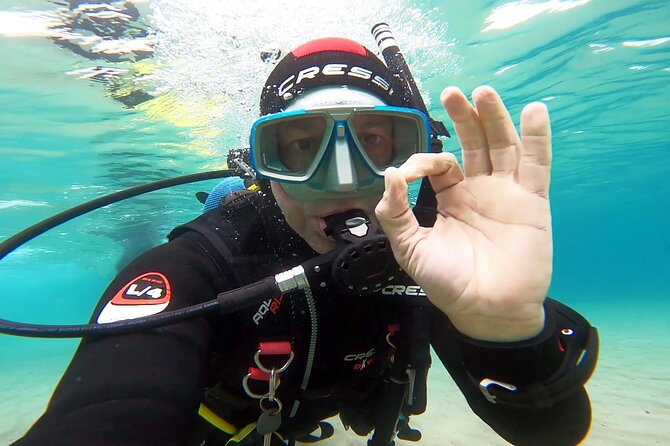
This program is built for people who want their first real underwater look without the complexity of doing everything independently. The small-group maximum of four, the shallow water practice, and the patient instruction style make it a strong match for beginners, families, and anyone who wants structure.
It is especially helpful if you want support with the basics, since the program includes theory plus practice plus a guided underwater session. If you already have scuba certification and you are looking for advanced training, you might feel this is too introductory and short. But if your goal is to try scuba for the first time in a controlled, guided way, this is right in the sweet spot.
You should also consider your comfort with water. Since basic swimming skills are required, if you are not confident in the pool, you may want to build that comfort first. This is not a major athletic test, but you do need a baseline comfort level.
Finally, the English instruction can be a real plus if you want to understand every safety step clearly. Learning scuba terms and breathing cues is easier when you can follow instructions without translation delays.
Should you book this Nea Makri intro scuba course?
I think you should book it if you want a beginner-friendly scuba start near Athens with small-group attention, equipment provided, shallow water practice, and a guided underwater session around 5 to 6 meters. The price feels fair for what you get, especially because you leave with photos or videos and not just a memory you try to reconstruct later.
I would hesitate if you know you may have medical restrictions that could affect scuba safety, or if you are flying soon and cannot meet the timing guidance. And if sea conditions are a concern for your travel dates, remember the team may adjust where you practice so you should stay flexible.
If you want a practical, calm first experience with clear instruction from Dimitri and Maria, this is a smart choice for your Athens-area trip.
FAQ
How long is the experience in Nea Makri?
It runs for about 4 hours (approx.).
What depth do you reach during the underwater session?
You descend to around 5 to 6 meters.
How long is the underwater portion?
The underwater time is about 30 to 40 minutes.
What is included in the price?
The program includes training, and all necessary scuba equipment is provided. Photos or videos are provided afterward.
What is the group size for this experience?
The maximum group size is 4 travelers.
What language is the instruction offered in?
The experience is offered in English.
What do I need to bring?
You are advised to bring your own towels and swimwear.
What are the age and swimming requirements?
The minimum age is 8, children must be accompanied by an adult, and basic swimming skills are required.
Are there any health or medical restrictions?
You must complete a health questionnaire before diving. Diving within 12 hours of flying is not recommended, and some pre-existing medical conditions (like asthma or heart conditions) may prevent you from diving. Consult your doctor if you are unsure.
What happens if the weather is bad or I need to cancel?
The activity requires good weather. If it is canceled due to poor weather, you will be offered a different date or a full refund. You can cancel for a full refund up to 24 hours in advance.
Fresh options around Athens
- 3-Day Tour: Mycenae, Epidaurus, Nafplio, Delphi, Meteora With 4* Hotel Included★ 5.0 · 6 reviews
- 3-Day Trip to Delphi and Meteora from Athens★ 4.0 · 53 reviews
- 2 or 3-Day Private Tour: Ancient Olympia, Corinth, Mycenae, Epidaurus, Nafplion★ 5.0 · 11 reviews
- 4-Day Classical Tour Greece: Epidaurus, Mycenae, Olympia, Delphi, Meteora★ 4.5 · 4 reviews
- Hydra Island & Mythical Full Peloponnese Private 9-Day Tour★ 5.0 · 3 reviews
- 27 Day Grand Circle Tour of Mainland & Corfu, Mykonos, Santorini★ 5.0 · 4 reviews
- 20-Minutes Natural Pedicure with Exotic Fish★ 5.0 · 17 reviews
- 2 Day Delphi, Meteora Iconic Sites Private Tour With 4* Hotel Included★ 5.0 · 3 reviews
Scuba Diving, compared.
Athens East Coast: Discover Scuba Diving in Nea Makri
Read our review →
Anavyssos Athens Riviera: Beginners’ Guided Try Scuba Diving
Read our review →
Browse the lists this tour appears in