
Reviewed · FOOD & DRINK
Premium Greek Honey Tasting with Yogurt & More
Greek honey tasting is interesting because it sits at the crossroads of ancient food culture and real science. Honey from Greece has been praised since antiquity, and the Roman fascination with it was tied to medicinal use, especially for treating wounds. Today, studies point to antibacterial and anti-inflammatory qualities in some Greek island honeys.
I love how this session is built around flavour differences by region and style, not just sweetness. I also like the practical payoff: you pick a honey you enjoy and then try smart serving ideas with yogurt, cheese, and dried fruits, plus other sample combinations.
One consideration: it is only 40 minutes, so it moves quickly. If you want a slower, sit-and-chat meal style experience, this may feel focused and brisk.
Key highlights I’d plan around
- Six honeys from different regions and styles, sampled in a tight, organized flow
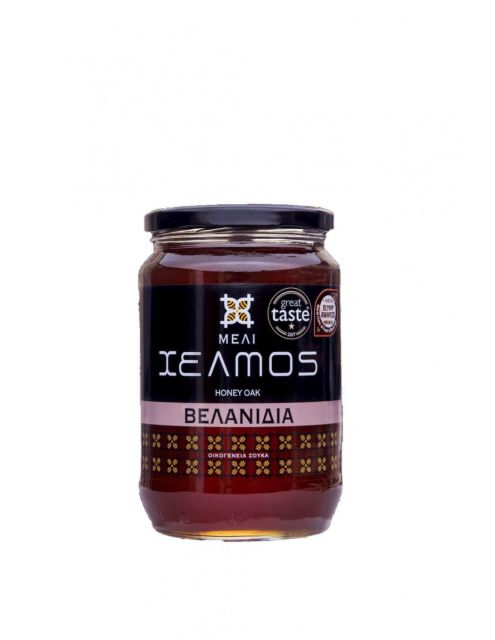
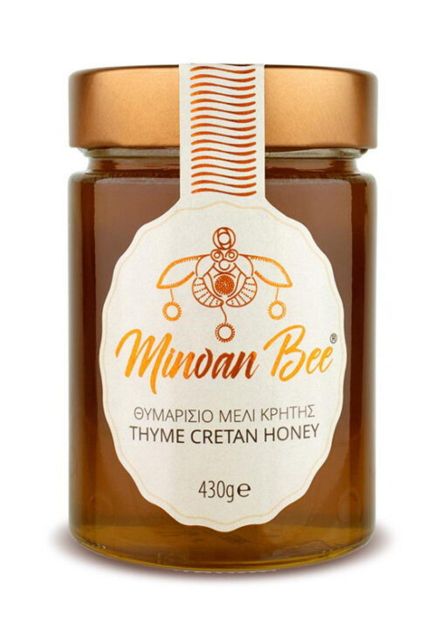
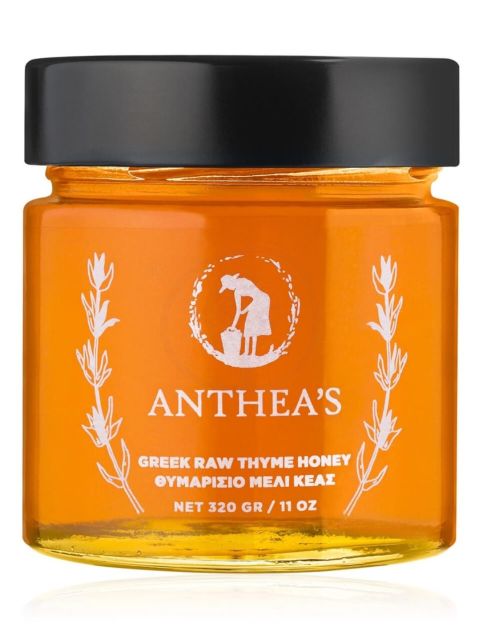
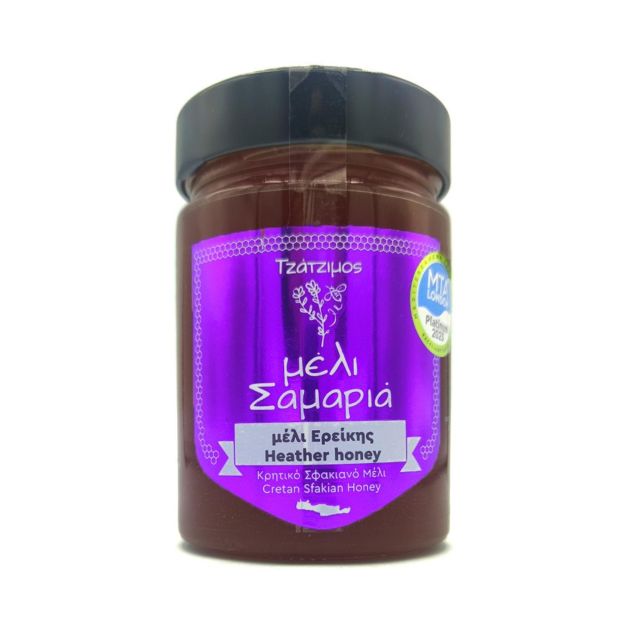
- Four Greek honey flavours you can compare side by side, then choose a favourite to pair
- Serving ideas that turn honey into a meal ingredient, not just a spoonful
- Pairing samples with yogurt, cheese, and dried fruits, plus more tasting combinations
- Ancient wine tasting included, so the honey story has a drink companion
- English instruction with Anton Lianoudakis, and time to ask questions, then buy products on site
Greek Honey, From Ancient Medicine to Your Spoon
If Greece is known for anything edible, it is honey. This experience leans into that reputation in a grounded way. You start with the big idea that Greek honey has been valued since antiquity, and that Romans even treated it like something worth serious attention, including medicinal use for wounds.
The tasting also connects that tradition to what modern studies suggest. Premium herbal honey from Greek islands has been linked to antibacterial and anti-inflammatory properties that, in many cases, compare strongly with the famous Manuka buzz from New Zealand. You do not need a lab background to enjoy this part. The guide translates it into what you can actually taste and smell.
What makes this experience feel different is the message you get along the way: honey is not one thing. It is a set of flavours shaped by where it came from, what was in the flowering plants, and how the honey type behaves when you pair it with food.
More Athens food tours in Athens:
- Greek Food Walking Tour in Athens
★ 5.0 · 4,740 reviews - Athens: Street Food Tasting Tour
★ 4.9 · 2,557 reviews - Small Group Greek Traditional Food Tour in Athens 20+ Tastings
★ 5.0 · 1,759 reviews
The 40-Minute Format That Keeps It Fun (Not a Lecture)
This is a compact, 40-minute masterclass. That matters because it keeps you in tasting mode instead of drifting into long explanations you forget. Check availability for starting times, and plan to arrive ready to taste, ask, and compare.
The session includes tasting for six honeys, but it is also structured around comparing four honey flavours clearly. That design helps you do the most important job: training your palate to notice differences fast, then settling on a favourite you can use later at home.
Because instruction is in English and the instructor is available for questions, it works well even if your Greek food background is basic. The tone is welcoming and conversational, not stiff. You get a sense that the host, Anton Lianoudakis, wants you to leave with repeatable ideas, not just memories.
Four Flavours, Six Honeys, and How to Judge Them
You will taste multiple honeys that come from different regions and different styles. The goal is simple: you learn how to spot what makes each one unique.
Here is how I recommend you approach it while you are tasting. Take one note in your head for each honey: is it more floral, more herbal, more earthy, more bold? Then pay attention to how it changes once you move toward the pairing stage. Honey that tastes amazing alone can act very differently with dairy and dried fruit.
The experience is also set up so you can pick a favourite flavour. That sounds obvious, but it is actually useful. When you choose your top honey during the tasting, you stop treating honey as a random sample flight. You start thinking like a cook.
Even in a short format, you get the sense of a guided comparison. That is why this kind of tasting is worth your time. You do not just taste, you learn what to do with what you like.
Pairing Honey Like a Greek Table: Yogurt, Cheese, Dried Fruits
The heart of the experience is not only tasting honey. It is learning how to serve Greek honey so it becomes a real part of breakfast, snacks, and even dessert-style plates.
You get samples of yogurt and fruit, and you are encouraged to combine your favourite honey with those kinds of ingredients. The logic is smart: dairy has a creamy base that rounds off sharp edges, while dried fruits bring concentrated sweetness and texture. Honey then acts like a flavour amplifier.
Cheese pairing is a key part too. Honey can work with saltiness, but the pairing depends on the honey style. Some honeys blend into a smooth, mellow bite. Others add a noticeable herbal snap. The masterclass helps you think about why that happens, so you can recreate the idea later without guesswork.
Dried fruits also change the game. They offer chewy, caramel-like notes that can either blend with the honey’s sweetness or highlight its floral side. You will leave with a mental map of what tends to work, which is exactly what you want from a tasting like this. It turns a fun hour into useful kitchen knowledge.
Same corner of Greece, a different kind of day:
- Athens: Acropolis & up to 5 Archaeological Sites Combo Pass
★ 4.4 · 12,619 reviews - Athens: Acropolis, Parthenon & Acropolis Museum Guided Tour
★ 4.8 · 9,316 reviews - Athens: Cape Sounion & Poseidon Temple Sunset Half-Day Trip
★ 4.8 · 8,241 reviews - Athens: Acropolis and Parthenon Guided Walking Tour
★ 4.6 · 5,882 reviews
The Ancient Wine Tasting Connection
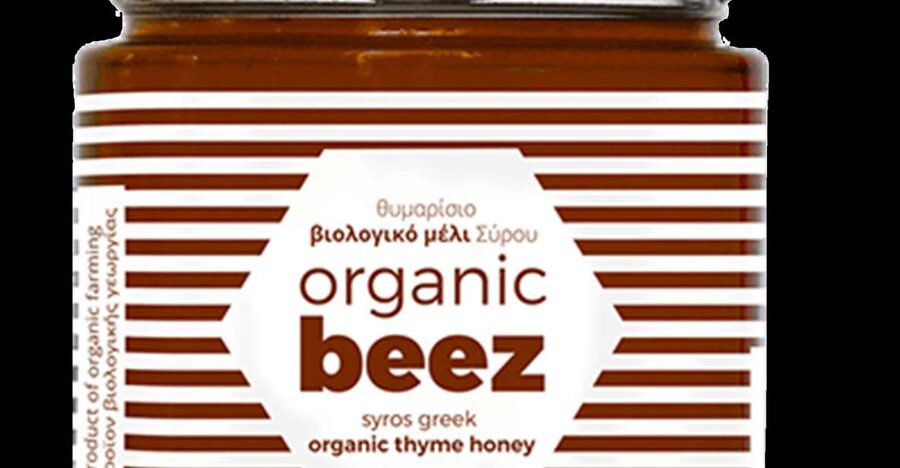
This experience includes an ancient wine tasting alongside the honey. That pairing makes sense, because honey and wine both sit in the world of fermentation, botanicals, and flavour chemistry.
You are not just learning honey in isolation. You see how it can fit into drink culture too. Even if you are not a wine nerd, this helps you understand that honey can be used as a partner in tasting sessions, not only a topping.
If you like food tours that connect ingredients to how people actually enjoy them, you will probably appreciate this added step. It keeps you from leaving with only one-dimensional knowledge. You get at least a starting point for thinking about honey as part of a broader tasting table.
Price and Value: Is $23 a Good Deal?
At $23 per person for a 40-minute guided tasting, the price can feel like a splurge, or like a bargain, depending on what you want.
Here is the value angle that matters. You are paying for multiple high-quality honey samples from different regions and styles, plus food samples like yogurt and fruits, plus an ancient wine tasting. You also get structured instruction in English, skip the ticket line, and have access to the instructor.
You are not buying a book. You are buying time with a real guide who explains pairings and how honey behaves. That matters in a honey tasting because the difference between a beginner and a person who enjoys honey comes down to knowing what to try next.
Also, the session gives you a direct path to take something home. In practice, you can buy products on site, so the tasting can turn into a purchase you actually understand. That reduces the risk of buying honey at random and hoping it tastes like the sample.
Net: if you enjoy tastings and want practical serving ideas, $23 feels fair. If you want a long meal experience, this short format may not justify the cost for you.
Who This Honey Masterclass Suits Best
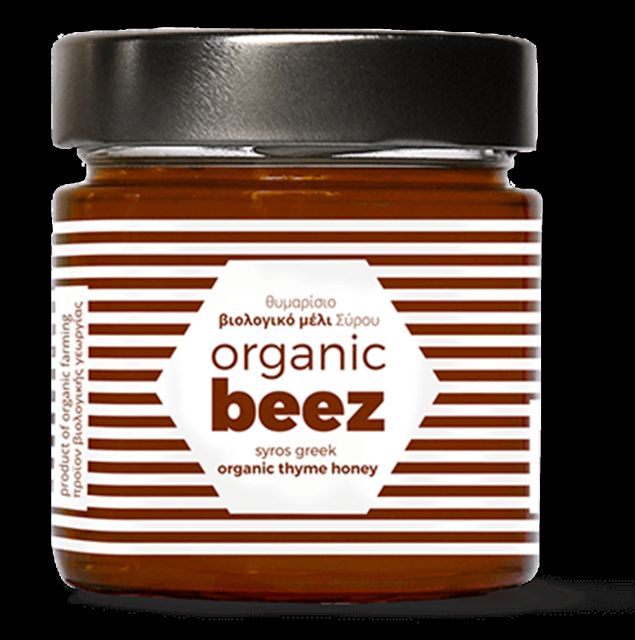
This is a strong match if you like hands-on food learning. You will probably enjoy it most if you enjoy comparing flavours, listening to a host explain the why, and leaving with pairing ideas you can use quickly.
It also fits well if you want to get off the standard track. The experience is based in central Greece and focuses tightly on honey and related tastings. So it is a good change of pace from tours that feel like they only skim big highlights.
Language is English, and the instructor is friendly and approachable. If you are the type who asks questions at tastings, this is a place where questions matter.
Age fit is important: it is not suitable for children under 7, and it is not suitable for people over 95. If you fall in that range, you should probably choose a different option.
What to Do Before You Go (So You Get More Out of It)
A tasting works best when you show up mentally ready to compare. Wear comfortable clothes, and plan to arrive on time for your chosen starting time.
Come hungry, but not overly full. The session includes yogurt, fruits, and honey combinations, so you want your palate awake. If you are the kind of person who usually eats fast, slow down. Take your time between samples so you can notice changes.
Most of all, bring a simple question in your head. For example: which honey type is best for yogurt, or what pairing is best for cheese. With a guided session in English, you can usually get a clear answer and a practical suggestion, like how to serve your favourite honey in real life.
Should You Book This Greek Honey Tasting?
Book it if you want a short, high-impact food experience in central Greece. The mix of six honeys, guided comparisons, pairing samples with yogurt, cheese, and dried fruits, plus an ancient wine tasting, makes it feel like more than a basic sweetness stop.
Skip it if you dislike structured tastings or you want a long cultural tour that wanders. It is compact by design, and it is built for learning through tasting, not for strolling and lingering.
If you are craving something different in Greece that is still practical, this honey masterclass is a smart pick. You will leave with clearer tastes in your head and better ideas for using honey once you get back home.
FAQ
What is the duration of the Greek honey tasting experience?
The experience lasts 40 minutes.
How much does it cost per person?
The price is $23 per person.
What is included in the tasting?
You get samples of yogurt and fruits, and tasting of multiple honeys, including six honeys from different regions and different styles, plus more sample combinations. Ancient wine tasting is also included.
How many honey flavours will I try?
You will try four Greek honey flavours, and the full included tasting includes six honeys overall.
Is the wine tasting part of the experience?
Yes. Ancient wine tasting is included.
Is the instruction in English?
Yes, the instructor speaks English.
Where is this experience located?
It is listed as being in central Greece, Greece.
Is it suitable for children or seniors?
It is not suitable for children under 7 years, and it is not suitable for people over 95 years.
What are the cancellation rules?
Free cancellation is offered up to 24 hours in advance for a full refund. There is also a reserve now and pay later option, so you can book without paying today.
Fresh options around Athens
- 3-Day Trip to Delphi and Meteora from Athens★ 4.0 · 53 reviews
- 3-Day Tour: Mycenae, Epidaurus, Nafplio, Delphi, Meteora With 4* Hotel Included★ 5.0 · 6 reviews
- 2 or 3-Day Private Tour: Ancient Olympia, Corinth, Mycenae, Epidaurus, Nafplion★ 5.0 · 11 reviews
- 4-Day Classical Tour Greece: Epidaurus, Mycenae, Olympia, Delphi, Meteora★ 4.5 · 4 reviews
- Hydra Island & Mythical Full Peloponnese Private 9-Day Tour★ 5.0 · 3 reviews
- 27 Day Grand Circle Tour of Mainland & Corfu, Mykonos, Santorini★ 5.0 · 4 reviews
- 20-Minutes Natural Pedicure with Exotic Fish★ 5.0 · 17 reviews
- 2 Day Delphi, Meteora Iconic Sites Private Tour With 4* Hotel Included★ 5.0 · 3 reviews
Food & Drink, compared.


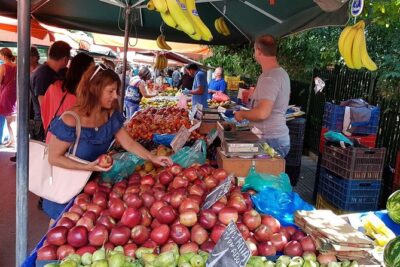
Small Group Greek Traditional Food Tour in Athens 20+ Tastings
Read our review →
Food Market Visit and Cooking Class with Wine
Read our review →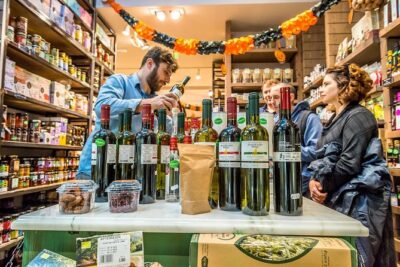
Athens Authentic Greek Food Walking Tour (Small Group)
Read our review →


Browse the lists this tour appears in