
Reviewed · METEORA TOURS FROM ATHENS
Meteora: Natural History Museum and Mushroom Museum Tour
The Meteora Natural History Museum and Mushroom Museum is a quirky, surprisingly satisfying hour or two if you like up-close details, not just pretty rooms. I especially like the high-quality stuffed birds and mammals in realistic dioramas, and I like that the mushroom side has serious variety, about 250 species. One drawback to keep in mind is that it is a short, self-guided visit, so you need to go in expecting a focused stop, not a long adventure.
I’d call it an easy change of pace from the bigger Meteora sights. You get a QR-code self-guided tour, plus you can sample mushroom products in the museum shop, including a Greek mushroom sweet and other favorites like chocolate and truffle spread. If you are not into natural history or mushrooms, you might feel it moves fast.
The payoff is how close you can look at nature themed art. You learn what you are seeing, including extinct and endangered animals, and you get practical food safety context by tasting and learning how to avoid poisonous species. It also helps that the rooms are calm, so you can take your time without feeling rushed.
Key things to know before you go
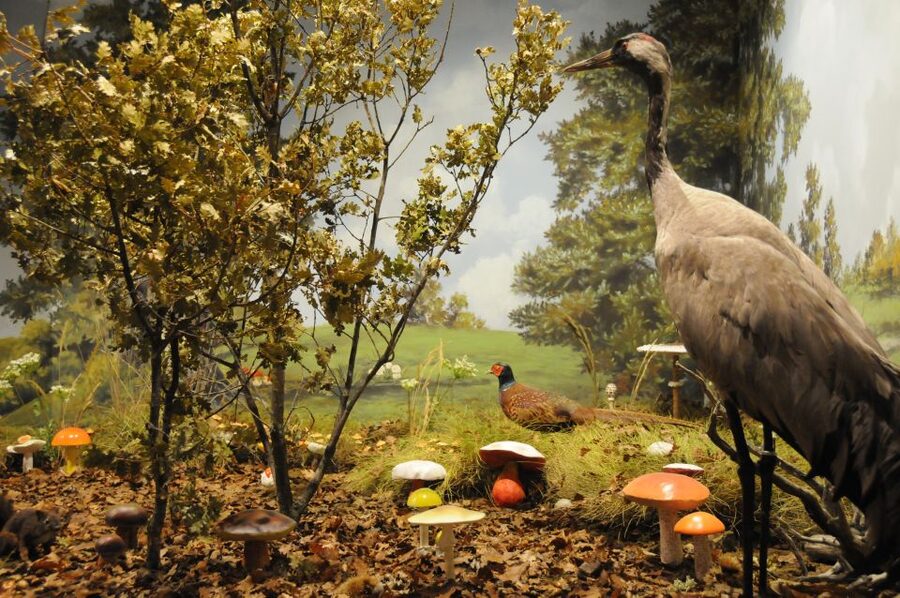
- Stuffed birds and mammals: Over 350 species, with extinct and rare animals shown in biomes
- Realistic “homes”: Dioramas match the terrain where animals live and mushrooms grow
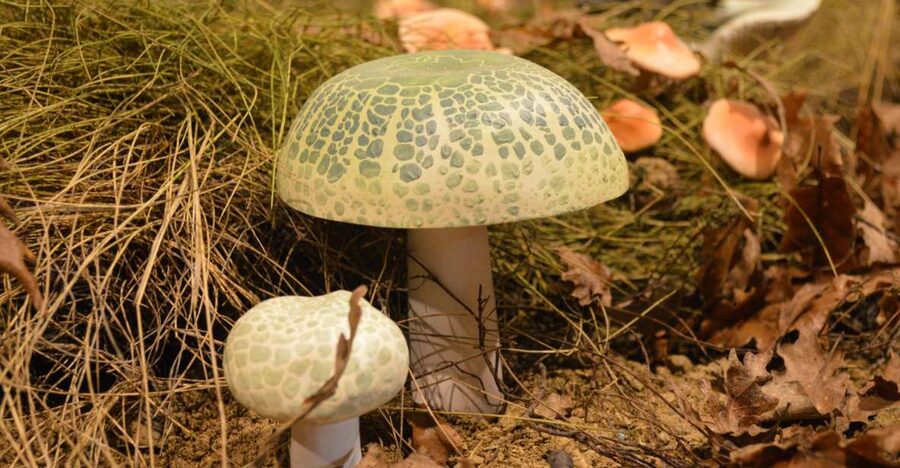
- The mushroom collection is rare: Around 250 species, with handmade sculptures designed by color, shape, and size
- You get to taste: Sample several mushroom items, often including a mushroom sweet
- Shop has practical souvenirs: The store creates about 60 mushroom and truffle products, not just random gifts
Where this museum sits in Kalampaka, and why it works as a 1-day add-on
This is in Kalampaka, Thessaly, in a spot that is easy to reach on foot. The meeting point is Pindou 20, about 600 meters from the train station and roughly 200 meters from the main street. That makes it a good “bridge stop” between Meteora viewpoints and a meal.
It is also the kind of activity that fits messy weather. Even if your day gets delayed, you do not need perfect light or a long route. The recommended viewing time is about 1 hour for the exhibits, and the tasting and shop time can stretch it a bit more.
The big idea here is simple: one museum building, two collections, and a clear theme that is fun without being childish.
More Meteora trips from Athens:
- Meteora: Morning Half Day Sightseeing and Monasteries Tour
★ 4.7 · 478 reviews - Meteora: Majestic Sunset Tour & Monasteries with Local Guide
★ 4.7 · 359 reviews - Meteora: Panoramic Morning Small Group Tour with Local Guide
★ 4.7 · 334 reviews
Animal Hall: stuffed birds and mammals in realistic dioramas
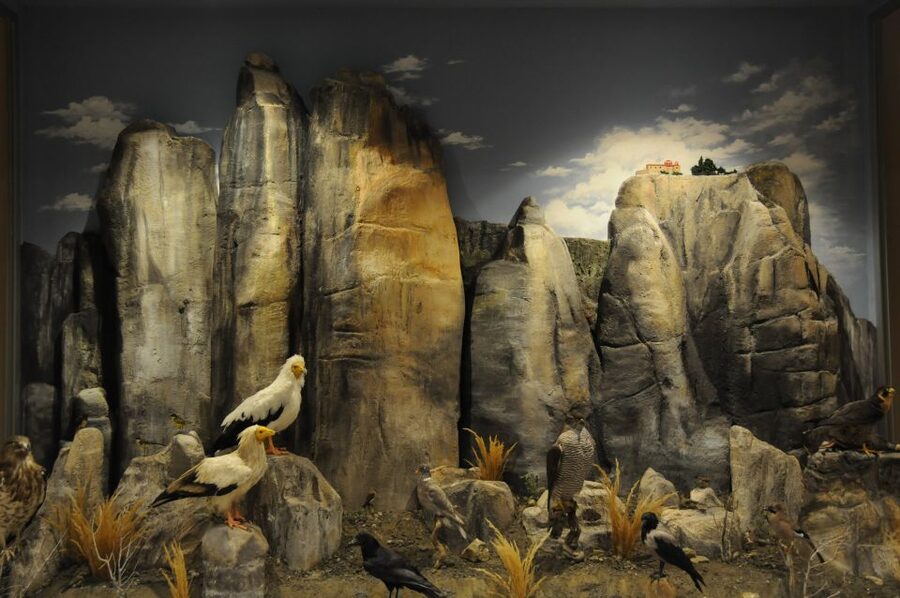
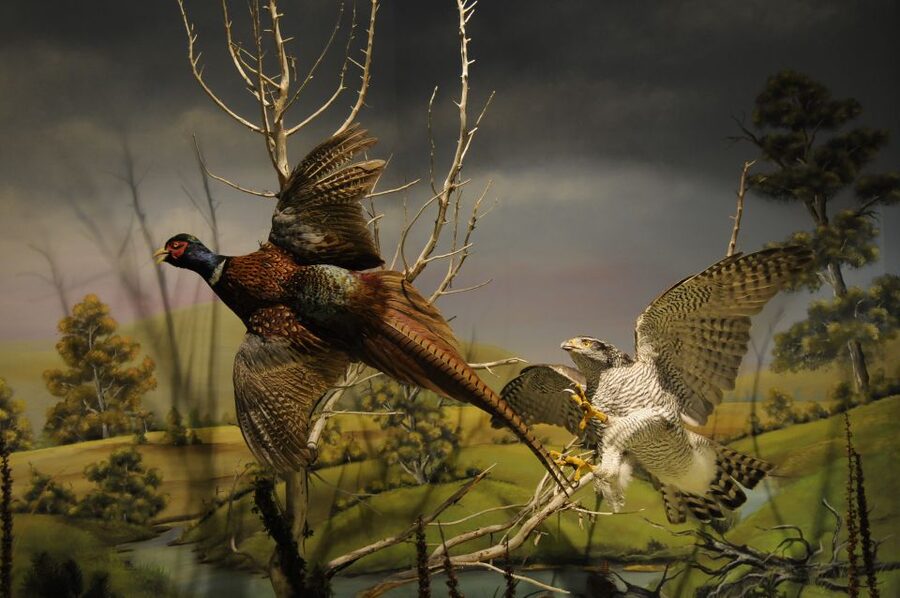
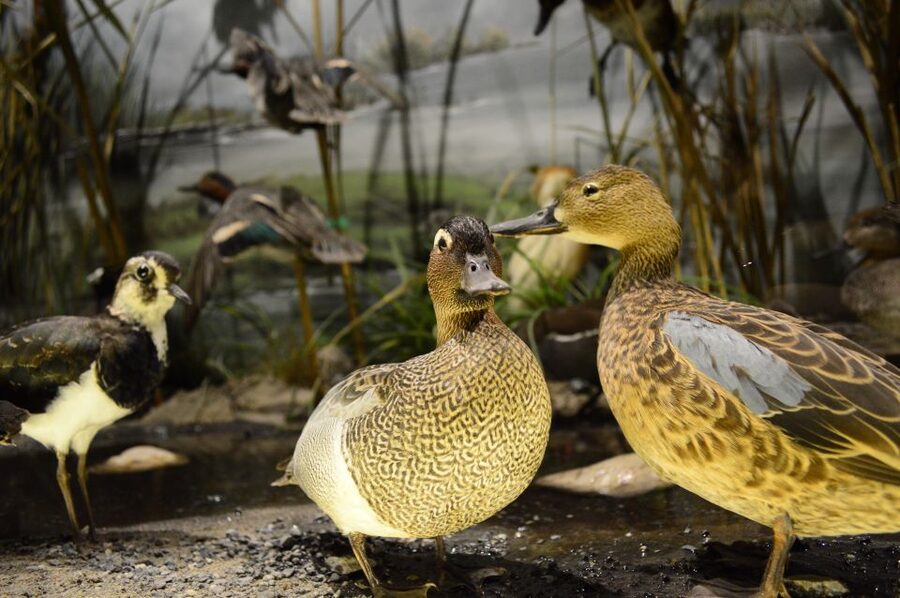
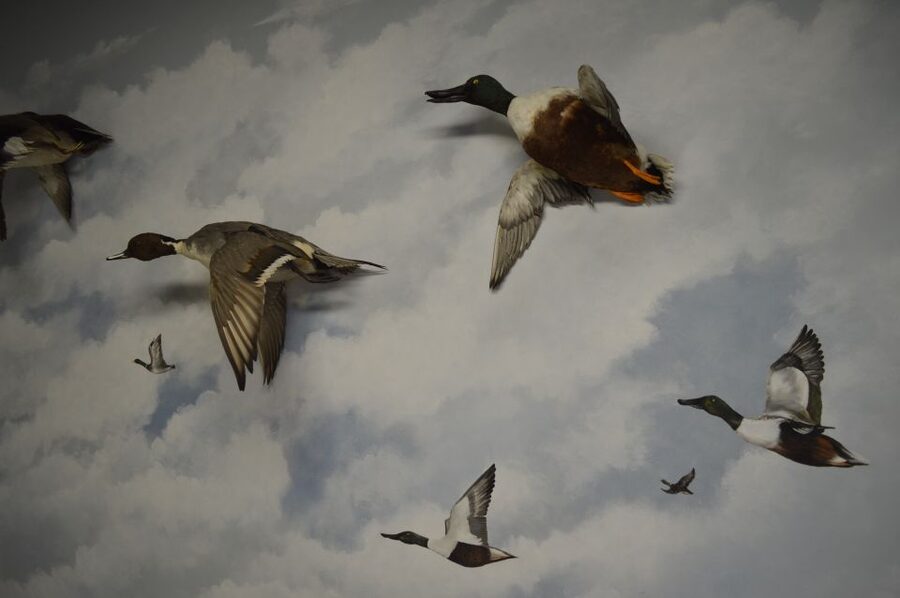
The first permanent collection focuses on animals. You’ll see about 350 species of birds and mammals, presented as high-quality stuffed specimens made by top European taxidermists. What makes this section more than a “look but don’t touch” display is the way the exhibits are staged.
The animals are placed in dioramas that depict the natural terrain where they live. So instead of just seeing a bird cutout on a stand, you get the feeling of habitat. I like that it gives you context fast, even if you know little at the start.
You’ll also notice the range of conservation stories. The museum includes extinct species, plus many endangered and rare ones. That matters because it turns a collection of replicas into a gentle reminder that nature changes, sometimes permanently.
If you want to maximize your enjoyment, go in with a quick habit: spend extra time on one biome and one animal. You’ll start matching shapes and details in your head, instead of sprinting across everything.
Mushroom Museum: 250 species, handmade sculptures, and three stages
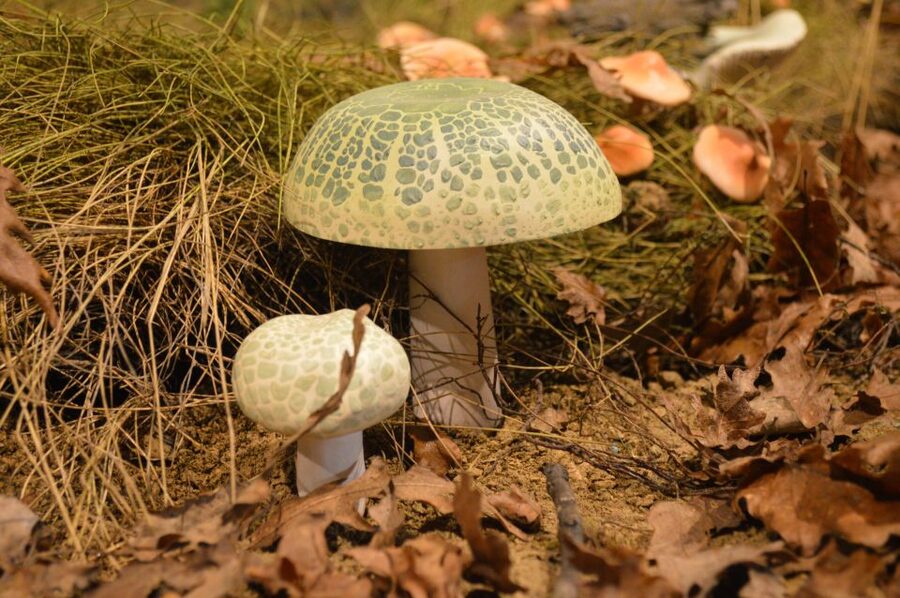
Then you switch to the mushroom collection, and it’s a different kind of focus. The mushroom museum is one of the few in the world, and it holds about 250 species of mushrooms. The standout detail is the sculpting style: the pieces are handmade and built to maintain the similarity of colors, shapes, and sizes.
Another cool element is that the sculptures are presented in three stages of development. That gives you a way to understand growth, not just a single frozen snapshot. It also makes it easier to spot how the look can change, which is a key skill if you ever pay attention to mushrooms in the real world.
Like the animal hall, this collection uses dioramas. The aim is that mushrooms are shown as if they are in their real growing context. If you are the kind of person who likes scientific posters, you’ll probably like the museum’s “show it like it would be outside” approach.
This is also where the museum nudges you toward food safety thinking. You’ll learn how to avoid poisonous ones, and you’ll get samples while you’re learning.
Dioramas and details you’ll actually notice once you slow down
The museum’s design is built around attention to micro-details, and that’s why it feels valuable even when it is short. The animals and mushrooms are presented together with careful staging, so you are not just looking at items, you are looking at scenes.
Here are the details that tend to make a difference in your experience:
- Biomes make identification easier: You see animals and fungi as part of a place, not isolated objects
- Close-up presentation: You can take in fine features, especially in the animal collection
- Color and size accuracy: The mushroom sculptures aim to be faithful to real appearance
- Development stages add meaning: You can track how form shifts over time
If you are into natural history, you’ll likely get more out of it. If you are not, you can still enjoy it, but you’ll want to focus on the design and learn as you go.
A few more Kalabaka days worth comparing
- Athens: Acropolis, Parthenon & Acropolis Museum Guided Tour
★ 4.8 · 9,316 reviews - Athens: Mythology of Delphi, Museum and Arachova Guided Tour
★ 4.6 · 4,008 reviews - Athens: Acropolis, Parthenon & Acropolis Museum Guided Tour
★ 4.8 · 3,579 reviews - Acropolis monuments & Parthenon Walking Tour with Optional Acropolis Museum
★ 5.0 · 2,678 reviews
Tasting mushrooms: sweet, savory, and a shop that makes sense
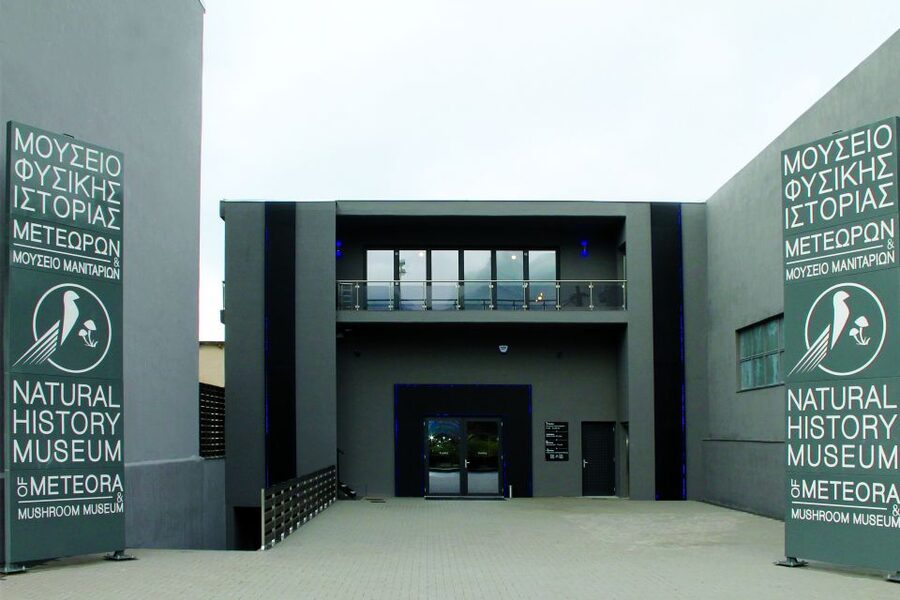
The museum includes tasting as part of the experience. You get a free mushroom sample included with admission, and you may taste multiple mushroom products during your visit, often including a Greek mushroom sweet.
I like that it’s not only “buy stuff and hope for the best.” The tasting connects directly to the mushroom education theme, and it gives you a reason to pay attention. Also, if you are worried about dealing with mushrooms in cooking at home, sampling in a controlled setting is a good reality check.
Upstairs in the shop, you can often find tastings that feel like a mini tour inside the tour. One good example from people’s favorites is truffle spread and a mushroom-based chocolate bar. If you are looking for souvenirs that are not just decorative, this is where you’ll find it.
The shop carries about 60 mushroom and truffle products created by the museum. That includes locally-produced delicacies, and it’s the sort of place where you can pick up a few items for your next meal without guessing too much.
Tip: plan a moment after you see the mushroom exhibits. Your brain connects what you learned with what you taste, and you’ll make better buying choices.
How long to plan, and a smart way to do it in one day
The whole visit is designed to be straightforward. Expect about 1 hour to view all exhibits, especially if you use the QR-code tour to guide your pace. Since this is self-guided, you control the order and speed.
Here’s a practical rhythm that keeps it enjoyable:
- Start with the animal hall and pick one or two biomes to focus on
- Move to the mushroom hall and slow down for the sculptures and development stages
- Finish with the tasting and shop time, so your purchases feel informed
Because the visit is self-paced, it works well if you are traveling solo or as a couple. It also works for families, as long as kids can handle a short indoor museum stop.
Scheduling-wise, if you are doing Meteora monasteries that day, treat this like a breather. It’s easy to fit between a viewpoint and dinner, and it won’t swallow half your travel day.
Opening hours vary by season:
- June to September: daily 10:00 AM to 7:00 PM
- October to May: Monday to Friday 10:00 AM to 5:00 PM, Saturday 10:00 AM to 7:00 PM, Sundays and bank holidays 10:00 AM to 6:00 PM
- Christmas holidays (Dec 1 to Jan 6): 9:00 AM to 8:00 PM
Price and value: why $8 can feel like more than you expect
At about $8 per person, this is a low-cost museum stop with a lot packed into it. Value here is not about scale, it’s about variety and quality.
You get:
- Entrance to two permanent collections
- A self-guided QR-code tour
- A free mushroom sample
- The chance to taste additional mushroom products
- Access to mushroom and truffle items from the museum shop
That combination matters. Many museum visits are either educational or shopping focused, but this one ties education to taste and to real, locally-made products. If you like collecting food souvenirs, it can be a strong use of your budget.
The main “value catch” is your interest level. If you do not care about stuffed animals, fungi, or identification details, the experience may feel like a quick stop. But if you like nature facts, the price is easy to justify.
Who this is best for, and who should think twice
This museum fits best if you like one of these things:
- Nature themed museums that reward close looking
- Mushrooms and food culture, including truffle products
- A calm, self-guided indoor experience with a clear focus
- Short stops between larger sights
It’s also a nice option for people who want something different from the usual religious and rock-top highlights of Meteora.
Who might think twice:
- If you want a long, guided tour with lots of walking and storytelling, this is not that.
- If you are only in Kalampaka for a quick meal and a photo, you may feel it is too slow and too indoor.
Should you book the Meteora Natural History and Mushroom Museum?
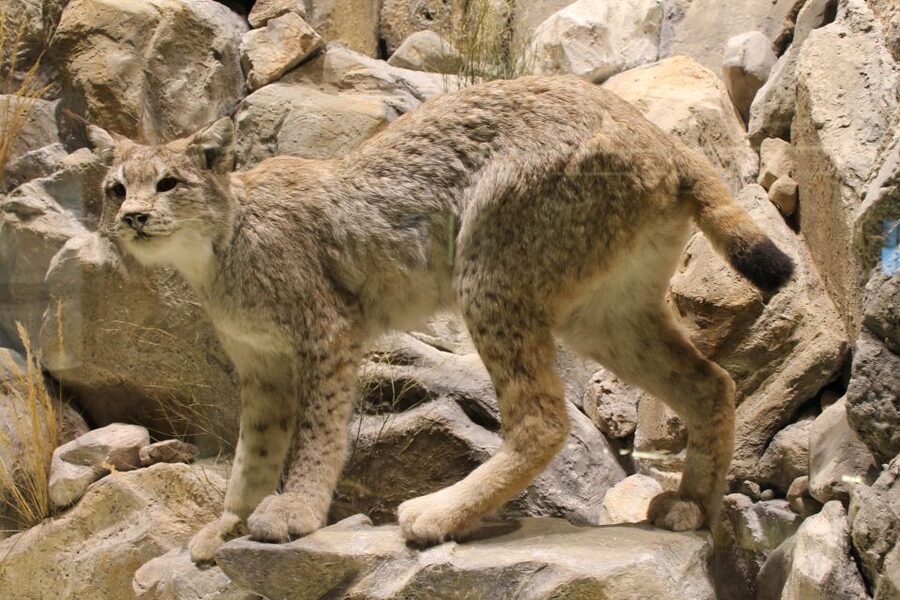
Yes, you should book it if you want a smart, budget-friendly add-on in Kalampaka that mixes animals, mushrooms, and food samples in a way that feels coherent. The animal hall gives you high-quality stuffed specimens and conservation context, and the mushroom collection is special because it focuses on many species and shows development in stages.
I would pass if you are not interested in museums at all, or if you’re the type who needs long guided experiences. But if you can enjoy a focused indoor visit and you like the idea of learning how mushrooms vary, and then tasting mushroom products responsibly, this one is a strong buy for $8.
FAQ
FAQ
How much does the Meteora Natural History Museum and Mushroom Museum tour cost?
The price is $8 per person.
How long does the visit take?
The activity is listed as 1 day, and you should plan about 1 hour to view all the exhibits.
Is the tour self-guided?
Yes. It includes a self-guided QR code tour.
What collections will I see inside?
There are two permanent collections: one for animals (about 350 species of birds and mammals) and one for mushrooms (about 250 species).
Do I get to taste mushrooms?
Yes. A free sample is included, and you can taste mushroom products such as the mushroom sweet.
Is the museum wheelchair accessible?
Yes, it is wheelchair accessible.
Where is the meeting point?
The meeting point is Pindou 20, Kalampaka 422 00, about 600 meters from the train station and 200 meters from the main street.
When is the museum open?
June to September it is open daily 10:00 AM to 7:00 PM. October to May it is Monday to Friday 10:00 AM to 5:00 PM, Saturday 10:00 AM to 7:00 PM, and Sundays and bank holidays 10:00 AM to 6:00 PM. During Christmas holidays (Dec 1 to Jan 6) it is open 9:00 AM to 8:00 PM.
More Historical Tours in Kalabaka
- Historical Delphi One Day Tour with Arachova Stop & Expert Guide
★ 4.5 · 1,247 reviews - Historic Athens: Small Group Electric Bike Tour
★ 4.9 · 740 reviews - The History of Athens: Greek Mythology Private Tour
★ 5.0 · 138 reviews - Athens Highlights by E-Bike: Small-Group Historic Tour
★ 5.0 · 131 reviews
Fresh options around Kalabaka
- From Kalabaka: Private Half-Day Meteora Tour – Local Agency★ 5.0 · 6 reviews
- Midday Tour in Meteora from Kalabaka’s trainstation★ 5.0 · 4 reviews
- Meteora Sunset with Photos Stops & to the Cave of St. George★ 4.9 · 10 reviews
- Meteora Sunset Tour on E-bikes★ 5.0 · 54 reviews
- Kalampaka: Meteora Private Customized Tour in English 6 hour★ 5.0 · 4 reviews
- Meteora Electric Bike Tour★ 5.0 · 61 reviews
- Meteora Private Full Day Tour from Athens & Free Audio Tour★ 5.0 · 3 reviews
- Meteora Evening Tour with Breathtaking Sunset View★ 5.0 · 44 reviews
Meteora Tours from Athens, compared.

Meteora Monasteries Day Trip with Caves and Lunch
Read our review →

Meteora Tour with Local Guide and Greek Lunch
Read our review →
Meteora Monasteries, Caves & Coastal Stopovers with Lunch
Read our review →
Meteora Monasteries & Caves DayTrip from Athens with Greek Lunch
Read our review →
4-Day Classical Greece Tour: Epidaurus, Mycenae, Olympia, Delphi, Meteora
Read our review →
Meteora Monasteries, Hermit Caves Tour with Pickup
Read our review →Browse the lists this tour appears in