
Reviewed · METEORA TOURS FROM ATHENS
Meteora: Easy Hiking Adventure
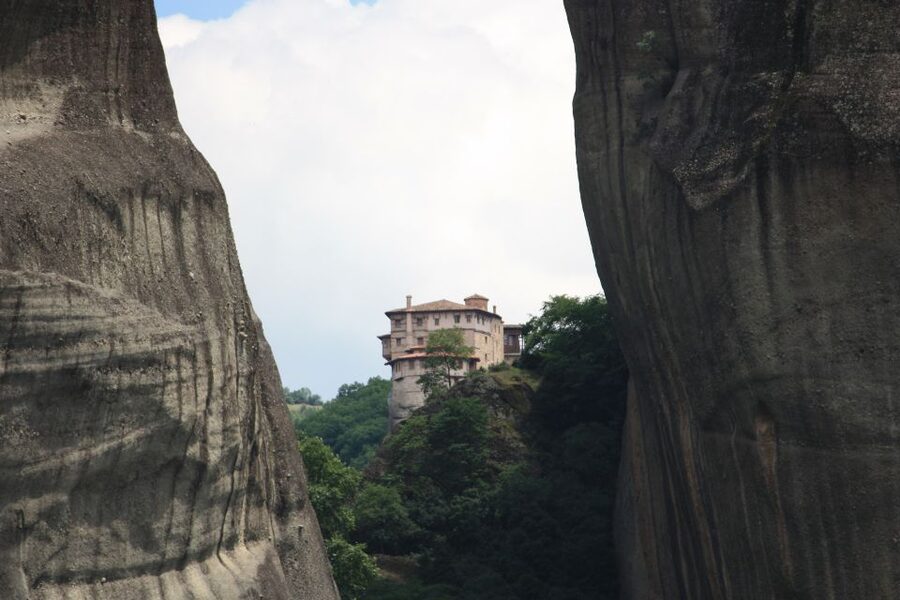
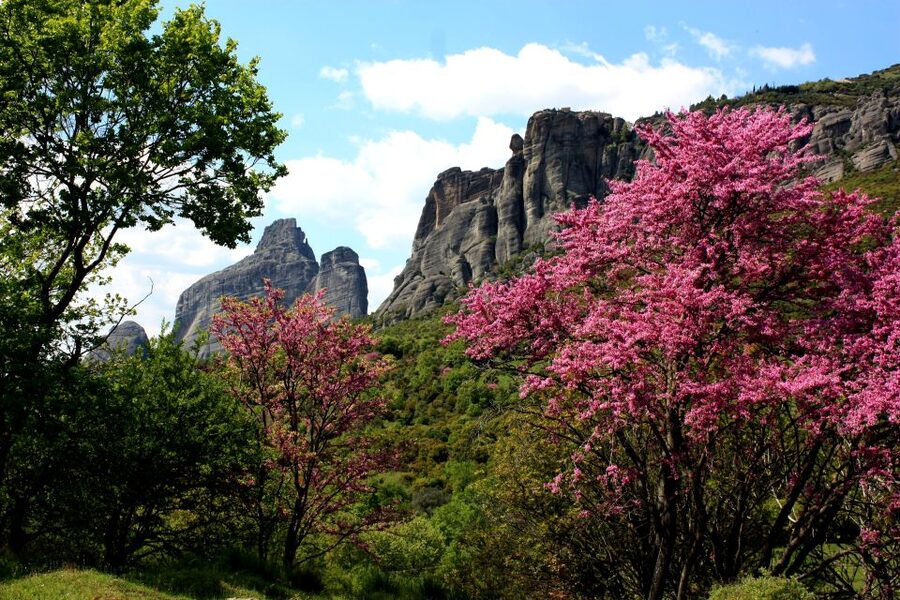
Meteora is already famous for giant rock towers and sky-high monasteries. What makes this experience special is that you do not just look from a bus window, you walk historic paths that were once the only way people reached these places. Expect ancient routes, stone steps, and the kind of mountain views that make the geography feel personal.
I like that this tour is family-friendly and still feels meaningful. I also like the focus on guided storytelling, where a certified English-speaking mountain guide connects the geology to the human history you pass on the way, including the rebel-era sites near the start.
The main thing to watch is that even if it is labeled easy, you will still walk about 8 km with some uphill. Monastery rules also require a strict dress code, so plan clothes that will work before you leave your hotel.
Key highlights that make this hike worth your time
- 8 km easy route with traditional stone and wooden steps along the old monastery access paths
- Great Meteoron and Varlaam viewpoints, reached from the trail rather than straight by road
- Historic stops tied to rebels and the Greek-Turkish war, including the St Dimitrios church area
- A certified English-speaking mountain guide who explains both geology and local history
- A descent through forest trails near the cave of St George Mandilas and the handkerchief tradition
Meteora on foot: why the old paths feel different than the main viewpoints
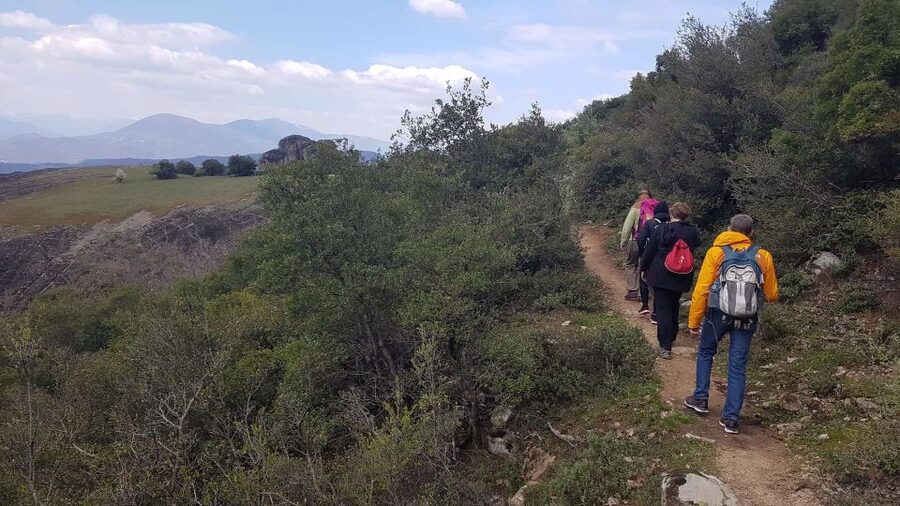
This is the Meteora experience that makes the rocks make sense. The monasteries sit on top of cliffs, but for centuries people did not reach them by convenience. They used footpaths, some carved into stone, some supported with wooden stairs to move supplies and daily necessities up and down.
Walking these routes changes how you see the complex. From a distance, Meteora can feel like a single postcard image. From the trail, it becomes a system. You start to notice how the human work is matched to the rock formations, and how the paths connect landmarks that would otherwise feel random.
You also get a guided lesson style that works well on a half-day outing. With a mountain guide in your group, you are not stuck reading signs or guessing what you are looking at. You get a clearer sense of why certain monasteries were positioned where they are, and how the region’s dramatic geology shaped life here.
If you want Meteora without a full-day grind, this works because the route is designed to keep moving but not overwhelm you. And if your main motivation is history plus views, the balance is strong, especially with the trail-based approach to the monasteries of Great Meteoron and Varlaam.
More Meteora trips from Athens:
- Meteora: Morning Half Day Sightseeing and Monasteries Tour
★ 4.7 · 478 reviews - Meteora: Majestic Sunset Tour & Monasteries with Local Guide
★ 4.7 · 359 reviews - Meteora: Panoramic Morning Small Group Tour with Local Guide
★ 4.7 · 334 reviews
From Kalambaka to Kastraki: how the minibus ride sets up the hike
The day starts with pickup from your accommodation in either Kalambaka or Kastraki. There are many pickup options, which helps if you stay a bit off the main road. If you are staying near town, it is usually straightforward.
You then board a luxury minibus and head to Kastraki, where the walking begins. The drive is about 20 minutes, which matters because it means you spend most of the 4.5 hours on foot and at monastery viewpoints, not trapped in transit.
A small group is part of why this feels manageable. It is limited to 12 participants, so you are not constantly waiting for gaps or getting lost in a crowd. You also get practical comforts included with the tour: bottled water and WiFi on board.
One small detail that will save you stress: you should arrive at the reception area and be ready about 10 minutes before the meeting time. That buffer helps you avoid rushing, especially if you are dressing to the monastery code.
Kastraki trail stops: Visitation of Jesus, St Dimitrios, and Papathymios Vlahavas
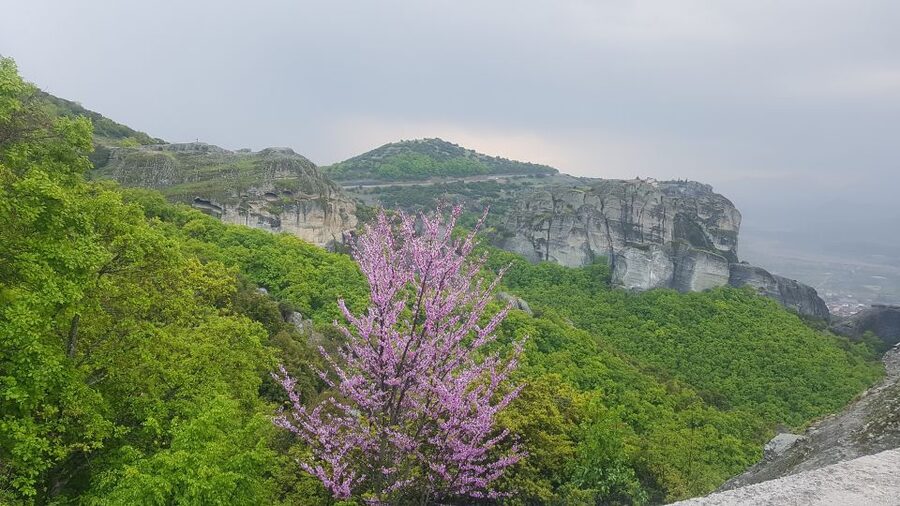
From Kastraki, the route moves into a greener, forested area and follows paths that have a long tradition. You will see signs of how people adapted the terrain over time, including areas with carved steps and sections with wooden stair support.
One of the first key historic connections is the Monastery of Visitation of Jesus, often associated with the church of Ypapanti. This spot matters because it ties the whole hike to the practical reason monasteries existed as communities, not just as scenery. You are not only looking up at cliffs, you are tracing how people once worked and traveled through these areas.
The tour also includes the statue of Papathymios Vlahavas, a fighter connected to rebellion against the Turks. That is a reminder that Meteora is not only about monks and art. It also connects to 18th and 19th century conflict and resistance in Greece.
Then there is St Dimitrios church, described as having been used as a headquarters by rebels during the Greek-Turkish war. The early 18th century context is important too, because the church was destroyed by the Ottomans in that period. Even if you are not a history buff, this makes the landscape feel layered. You start to see why the same rugged terrain that hides monasteries could also hide people during hard times.
If you want to get the most out of this section, look at the small physical clues on the trail. The carved and supported steps show effort, and the guide’s explanation helps you place those clues in a human timeline.
Reaching Great Meteoron and Varlaam from the rock-top trail
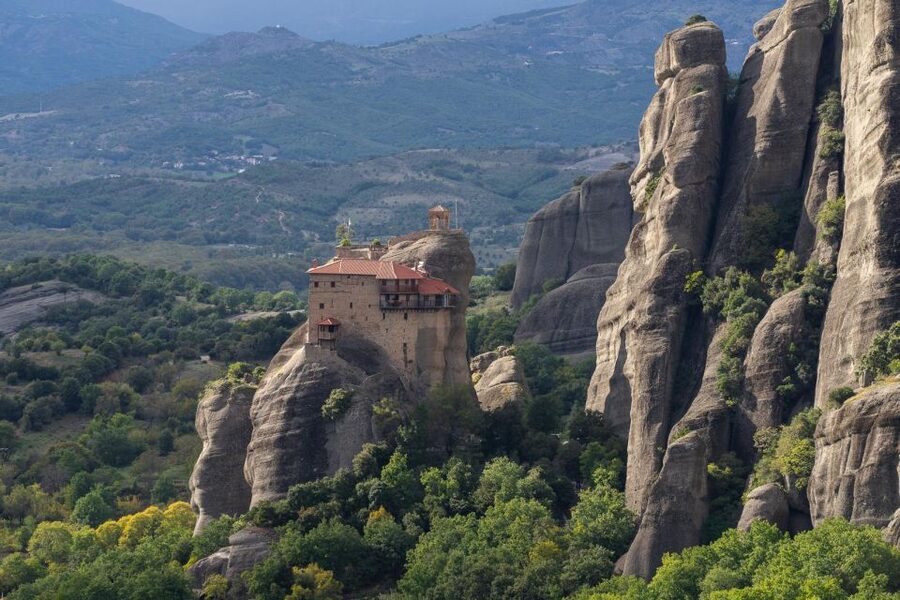
After the early stops, the route turns more vertical in feel. The path goes up toward the top of the rocks, and then you reach the monastery complex areas of Great Meteoron and Varlaam.
This is where the hike earns its wow factor. You are not simply arriving, taking photos, and leaving. You get the shift from forest paths and careful steps to wide, exposed viewpoints where the scale of the rocks hits you.
What I appreciate about including these two monasteries is how they give you variety without making the tour feel long. Great Meteoron is often the first name people know, and Varlaam adds another angle on the same dramatic setting. Your guide helps connect what you see to the bigger story, so it does not turn into a checklist of stone buildings.
A practical note that matters for planning: monastery entrance fees are not included. Budget 5 euros for entrance, and bring cash, because credit cards are not accepted for paying these fees. If you show up without the right payment method, you can lose time right when the day feels most exciting.
Also remember the monastery dress code before you get there. Men must wear trousers and a shirt or t-shirt with sleeves. Women must wear a long skirt. This is strict enough that you should plan ahead, not improvise at the door.
A few more Kalabaka days worth comparing
- Kalabaka: Meteora Small-Group Hiking Tour w/ Monastery Visit
★ 4.9 · 205 reviews - Meteora: Sunset Hike to Secret Caves
★ 4.9 · 56 reviews - Meteora: Hiking Tour with Local Guide and Monastery Visit
★ 4.8 · 20 reviews - From Kalabaka: Authentic Meteora Hiking Tour – Local Agency
★ 5.0 · 20 reviews
Descending near the cave of St George Mandilas and the handkerchief ritual
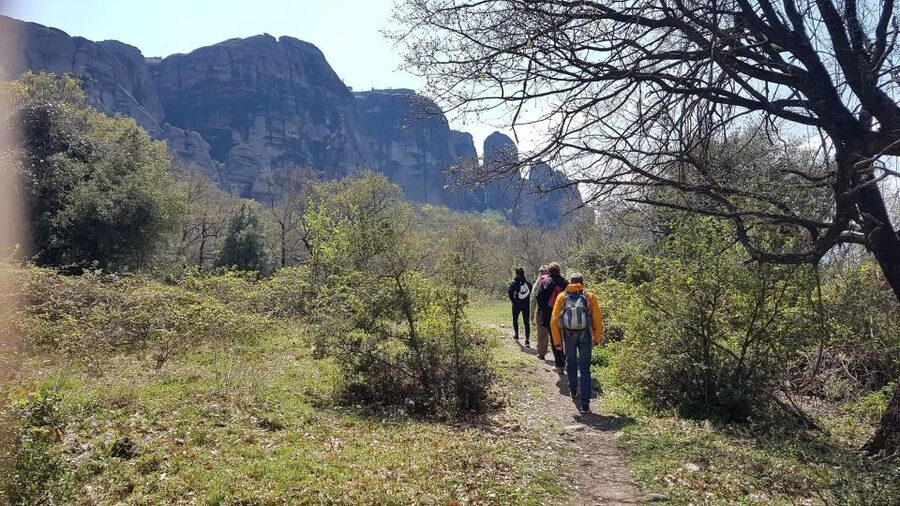
After time at the rock-top monasteries, the route descends. This part often feels like a reset because your body loosens up after the uphill effort, and the trail brings you back toward Kastraki.
On the way, you pass near the cave of St George Mandilas. This is one of those traditions that makes Meteora feel alive, not locked in the past. Each year, people climb to hang their handkerchiefs there, following the local tradition.
Even if you are not visiting during the exact moment of the ritual, the idea sticks. It reminds you that monasteries and caves in this region are not just monuments. They are part of a living web of faith, memory, and community.
And because the tour is only 4.5 hours, the pacing keeps the afternoon from dragging. You end back in the Kastraki area, then you return as part of the group.
Dress code, shoes, and sweat-proof prep for an 8 km easy hike
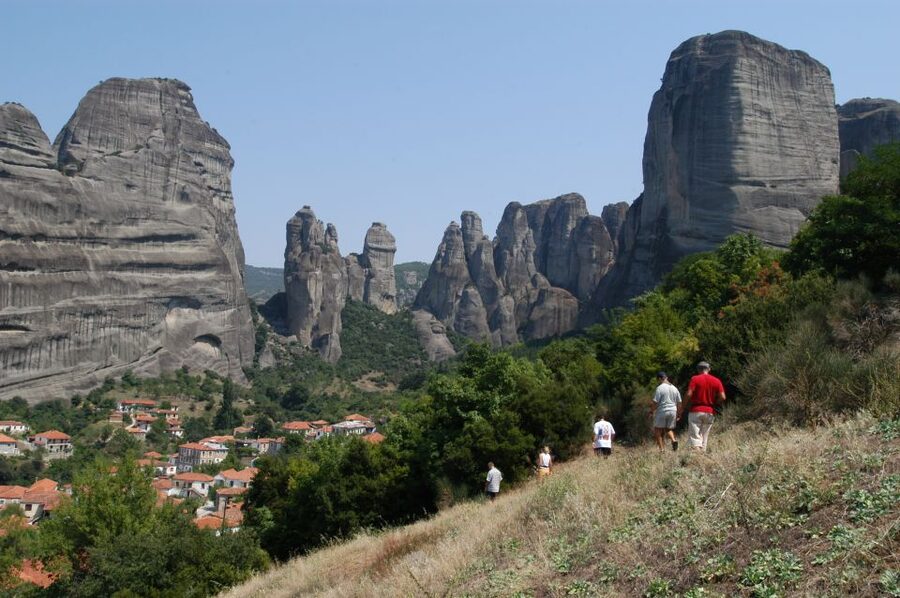
This tour is labeled easy and is designed for the whole family, but you still need to treat it like a real hike. The distance is about 8 km, and the footpaths include uneven steps and uphill segments.
Start with shoes. Choose comfortable footwear with good grip. If you walk a lot at home, this is in that same category, just with stone steps and changing surfaces.
Dress code is the other non-negotiable. Men need trousers and a sleeved shirt or t-shirt. Women need a long skirt. If you are traveling with a skirt, plan for heat because you might walk in it for a while before you reach monastery areas.
I also recommend practical extras:
- Bring a hat or skullcap, especially if the sun is strong
- A raincoat helps, since rain is always possible in mountain areas, and conditions can shift fast
- Consider a second change of clothes if you run warm or sweat easily, since the trail can get you working
One more helpful rule: animals are not allowed inside the monasteries, so plan accordingly if you are traveling with pets.
Price and value: why $49 feels fair for what you get
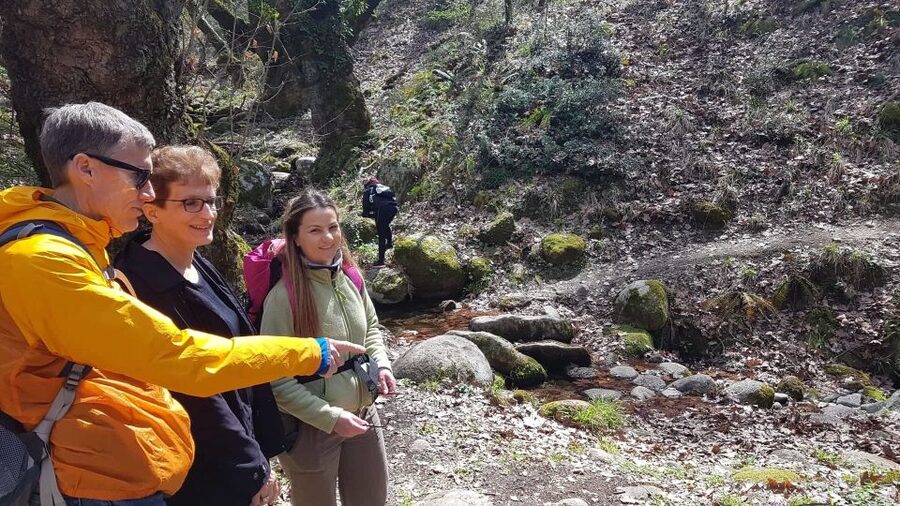
At $49 per person for a 4.5-hour guided outing, this tour lands in the “good value” zone, mainly because the tour includes more than just a walking route. You get round trip transportation from Kalambaka or Kastraki, a certified English-speaking mountain guide, and bottled water.
The small group size matters too. Limited to 12 participants, it makes the guide’s explanations easier to hear and helps you move as a unit at the pace of the trail.
The main thing that affects your true cost is monastery entrance. You will need to add 5 euros for the monastery entrance fee. Plan that from the start so you do not feel surprised at the first stop. And because credit cards are not accepted for entrance fees, having cash is smart.
On the quality side, the strongest signal in the guide experience is that the storytelling often goes beyond standard talking points. In feedback tied to this style of tour, guides named Christos and Harry have been singled out for tying the hike to childhood memories of the area and for giving clear explanations of historical and even geological details.
Who should book, and who should skip this easy Meteora hike

Book this if you want Meteora with movement. This is a great fit if you like walking but do not want a full day, and if you enjoy history on the ground instead of only viewing it from parking lots.
It also fits families who can handle a modest hiking distance and stair sections. The tour is structured to keep the day focused and manageable, with the guidance doing much of the interpreting work.
Skip it if you know walking like this will stress your body. It is not suitable for people with back problems or heart problems, and it is not set up for wheelchair users.
If you are on the edge, think realistically about your comfort with 8 km plus uneven stone steps. Some people find it easier than expected, others feel it is more demanding than the word easy suggests. If you usually take gentle walks, you will likely be fine, but go with confidence and good shoes.
Should you book this Meteora Easy Hiking Adventure?
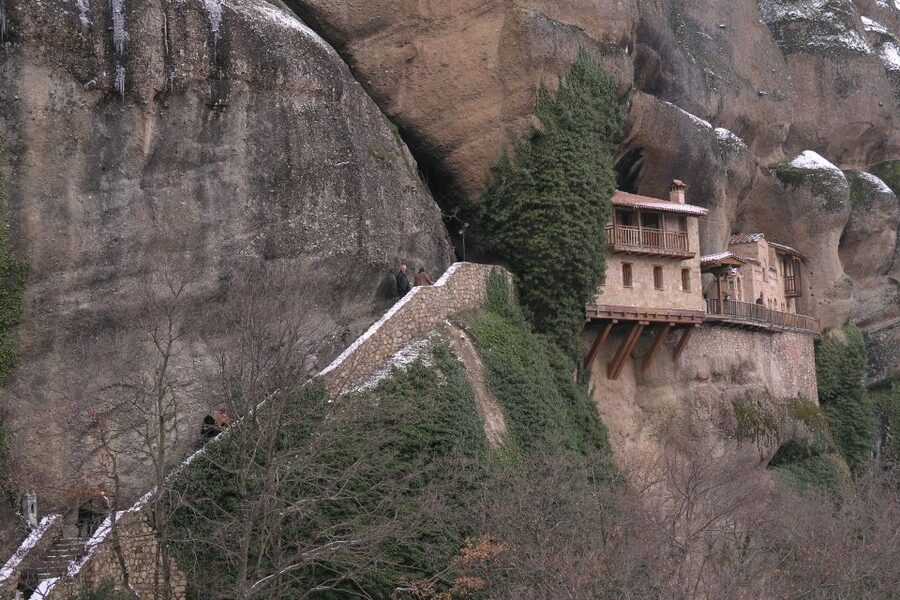
Yes, if your ideal Meteora day mixes guided history, trail walking, and monastery viewpoints without committing to a long day. The route has built-in variety: forest footpaths, rebel-era stops like St Dimitrios, rock-top monasteries such as Great Meteoron and Varlaam, and a descent near the cave tradition of St George Mandilas.
I would book it with one clear prep step: plan your monastery outfit ahead of time and bring cash for the 5 euro entrance fee. Do that, wear grippy shoes, and you will get a Meteora visit that feels more earned than rushed.
FAQ
How long is the Meteora easy hiking tour?
The tour lasts about 4.5 hours total.
What is the hiking distance and difficulty level?
The hike is about 8 km and the difficulty level is easy.
Where do you get picked up, and how do you start the day?
Pickup is included from your accommodation in either Kalambaka or Kastraki, and you travel by minibus to Kastraki where the hiking begins.
What does the price include?
The price includes round trip transport from Kalambaka or Kastraki, a certified English-speaking mountain guide, bottled water, onboard WiFi, and taxes and services.
Are monastery entrance fees included?
No. Monastery entrance fees cost 5 euros, and credit cards are not accepted for paying these fees.
What should I wear or bring for the monasteries and the hike?
Wear comfortable shoes and clothes. Men need trousers and a sleeved shirt, and women need a long skirt. A hat or skullcap is recommended, and a raincoat is also suggested.
Fresh options around Kalabaka
- From Kalabaka: Private Half-Day Meteora Tour – Local Agency★ 5.0 · 6 reviews
- Meteora: Natural History Museum and Mushroom Museum Tour★ 4.4 · 6 reviews
- Midday Tour in Meteora from Kalabaka’s trainstation★ 5.0 · 4 reviews
- Meteora Sunset with Photos Stops & to the Cave of St. George★ 4.9 · 10 reviews
- Meteora Sunset Tour on E-bikes★ 5.0 · 54 reviews
- Kalampaka: Meteora Private Customized Tour in English 6 hour★ 5.0 · 4 reviews
- Meteora Electric Bike Tour★ 5.0 · 61 reviews
- Meteora Private Full Day Tour from Athens & Free Audio Tour★ 5.0 · 3 reviews
Meteora Tours from Athens, compared.
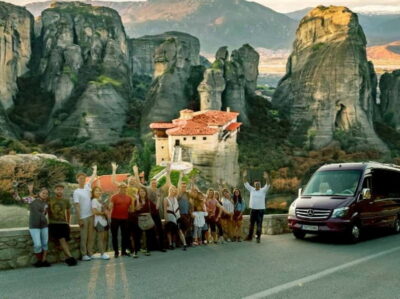
Meteora Monasteries Day Trip with Caves and Lunch
Read our review →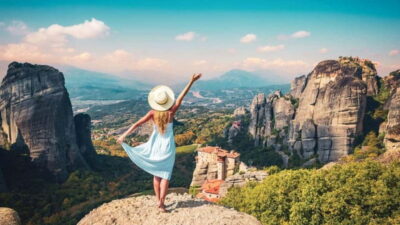

Meteora Tour with Local Guide and Greek Lunch
Read our review →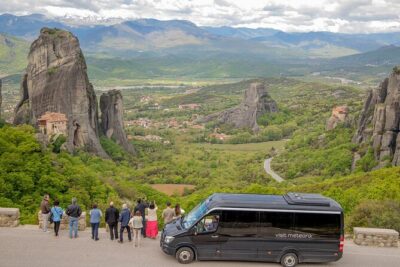
Meteora Monasteries, Caves & Coastal Stopovers with Lunch
Read our review →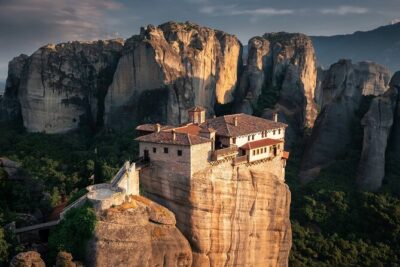
Meteora Monasteries & Caves DayTrip from Athens with Greek Lunch
Read our review →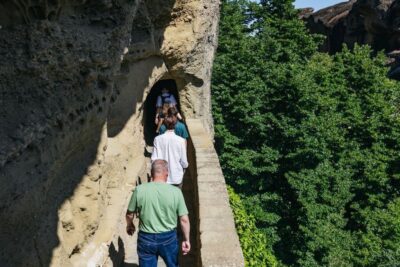
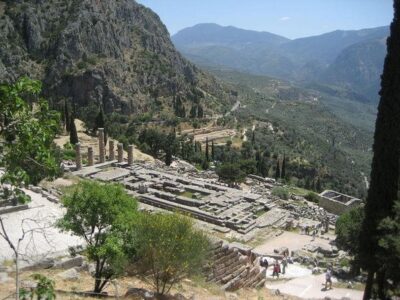
4-Day Classical Greece Tour: Epidaurus, Mycenae, Olympia, Delphi, Meteora
Read our review →
Meteora Monasteries, Hermit Caves Tour with Pickup
Read our review →Browse the lists this tour appears in